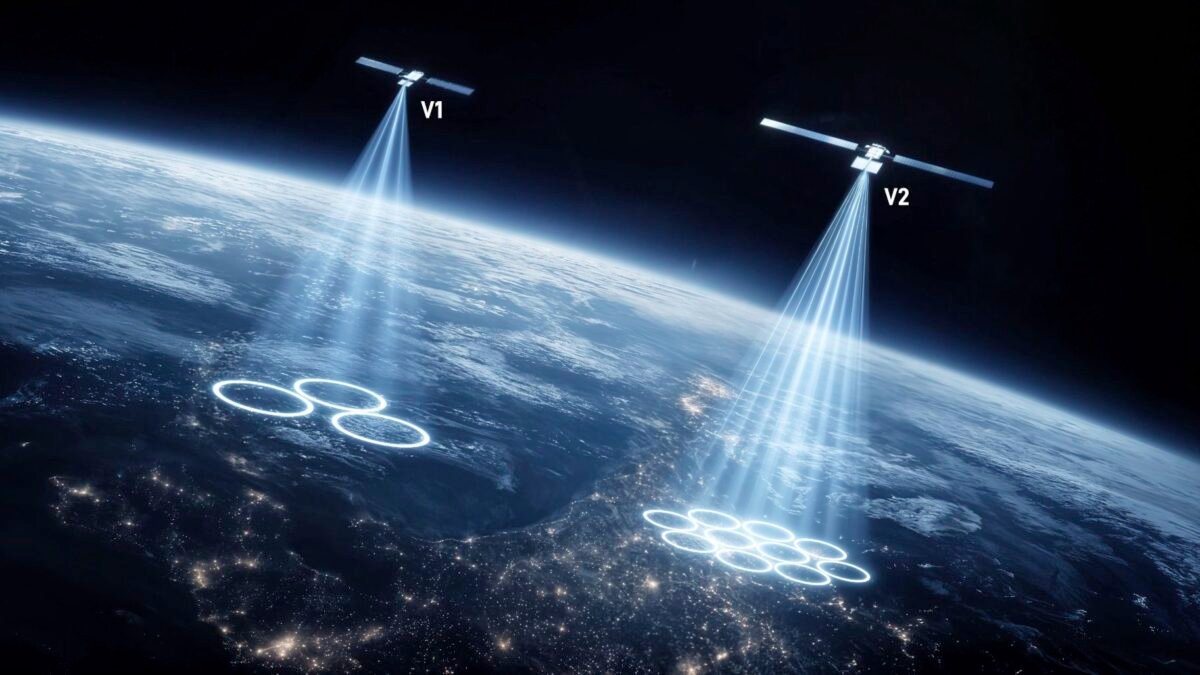
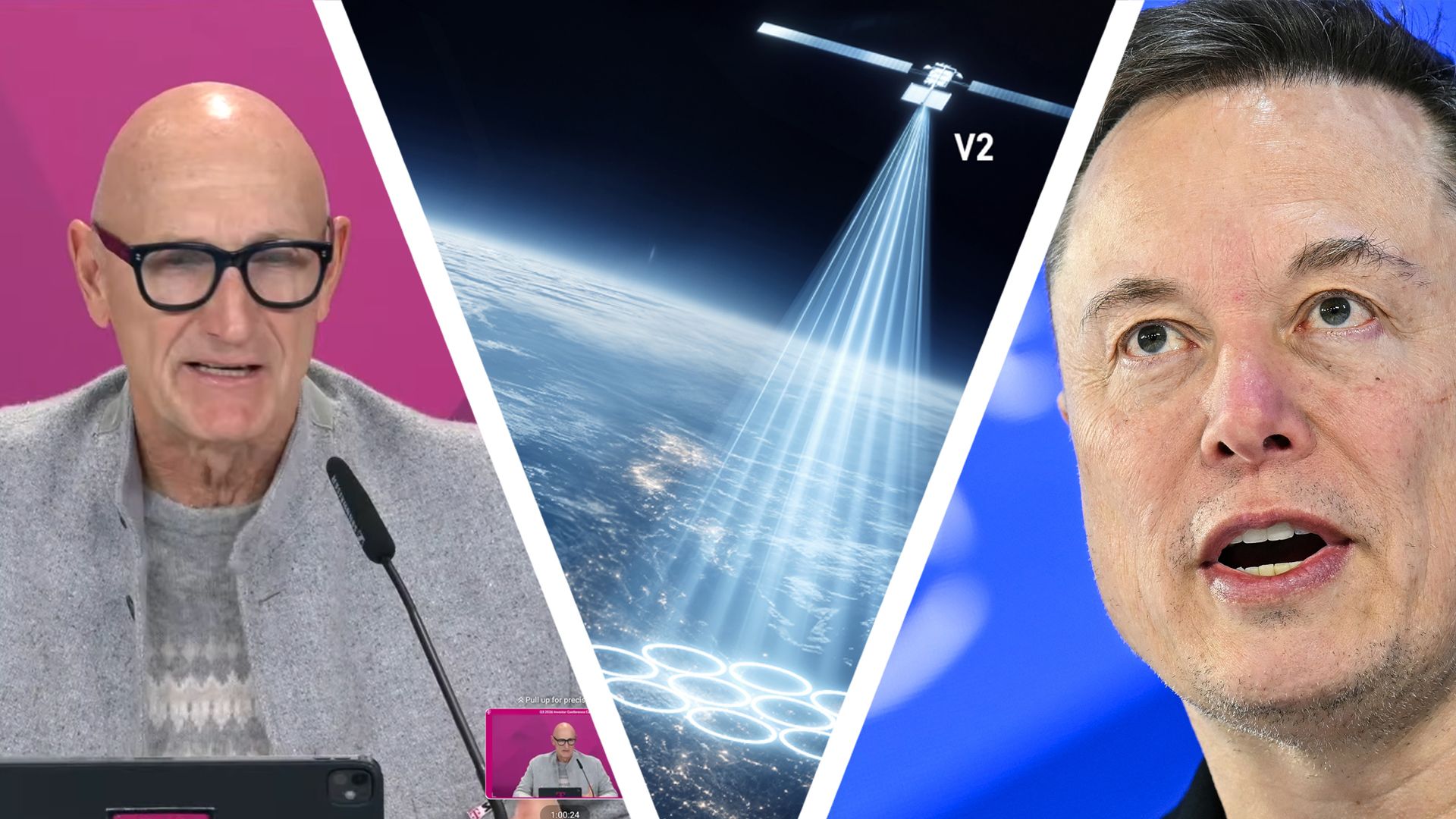
Starlink Mobile needs 0 billion — Building a fourth major U.S. mobile network is a costly proposition, and T-Mobile chairman Tim Höttges has put a striking figure on what he believes Starlink Mobile needs to get there: at least $200 billion. The estimate, shared during a Deutsche Telekom earnings call, underscores the scale of the challenge facing Elon Musk’s satellite-to-phone ambitions as SpaceX pushes deeper into the telecom market.
The Spectrum Gap
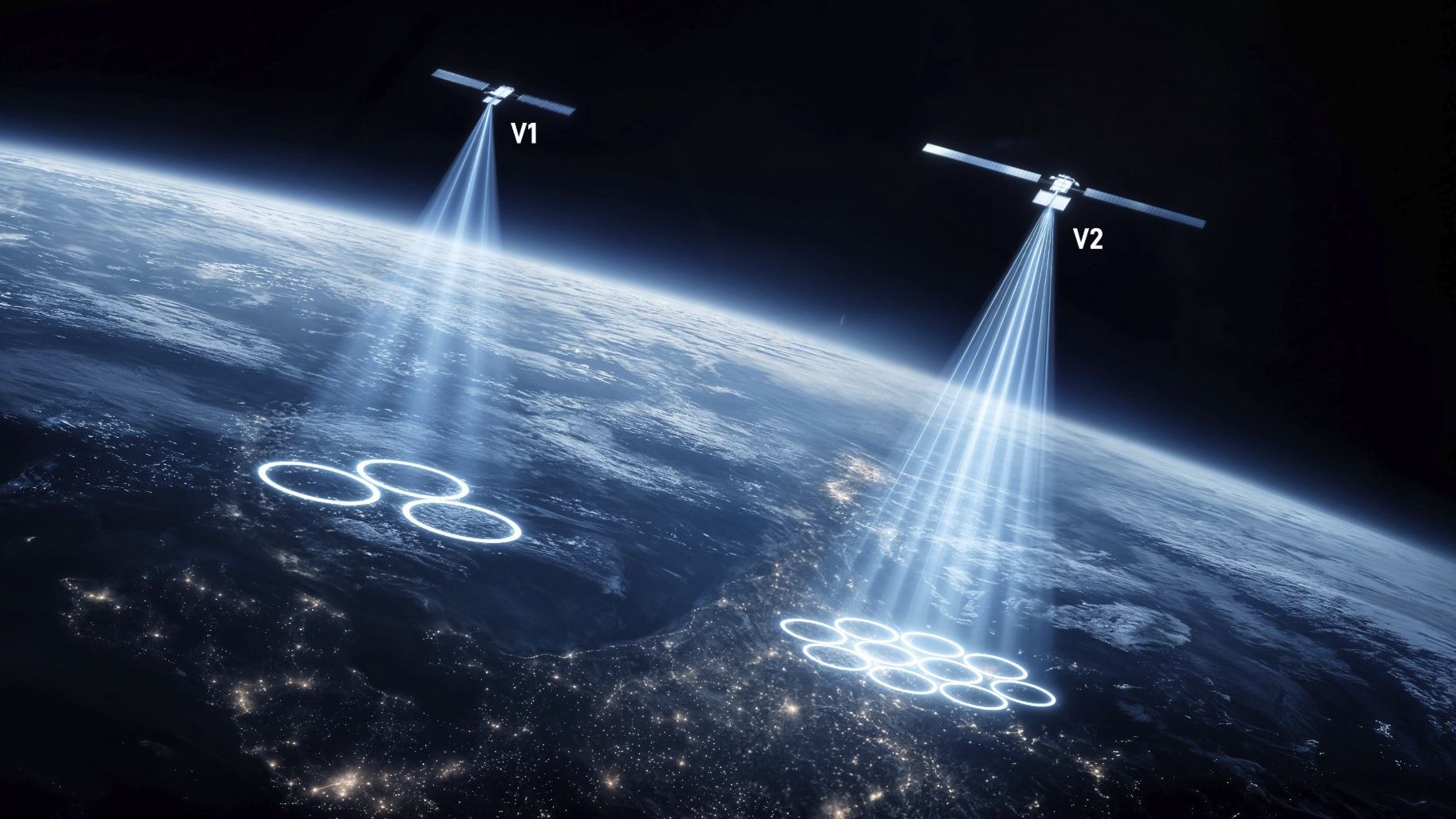
Höttges, who also serves as CEO of T-Mobile’s parent company, Deutsche Telekom, focused his analysis on two major cost centers. The first is spectrum. He noted that Starlink has acquired 76 megahertz so far, compared with the roughly 400 megahertz T-Mobile holds. Even if Musk continues buying spectrum, Höttges calculated that reaching a comparable position would run into triple-digit billions of dollars.
That assessment frames spectrum as the single largest barrier to entry. Airwaves are the lifeblood of any mobile network, and the incumbent carriers have spent years accumulating their holdings. For Starlink Mobile to mount a credible challenge, it would need to close a substantial gap — and the price tag for doing so is steep.
Infrastructure Costs Add Up
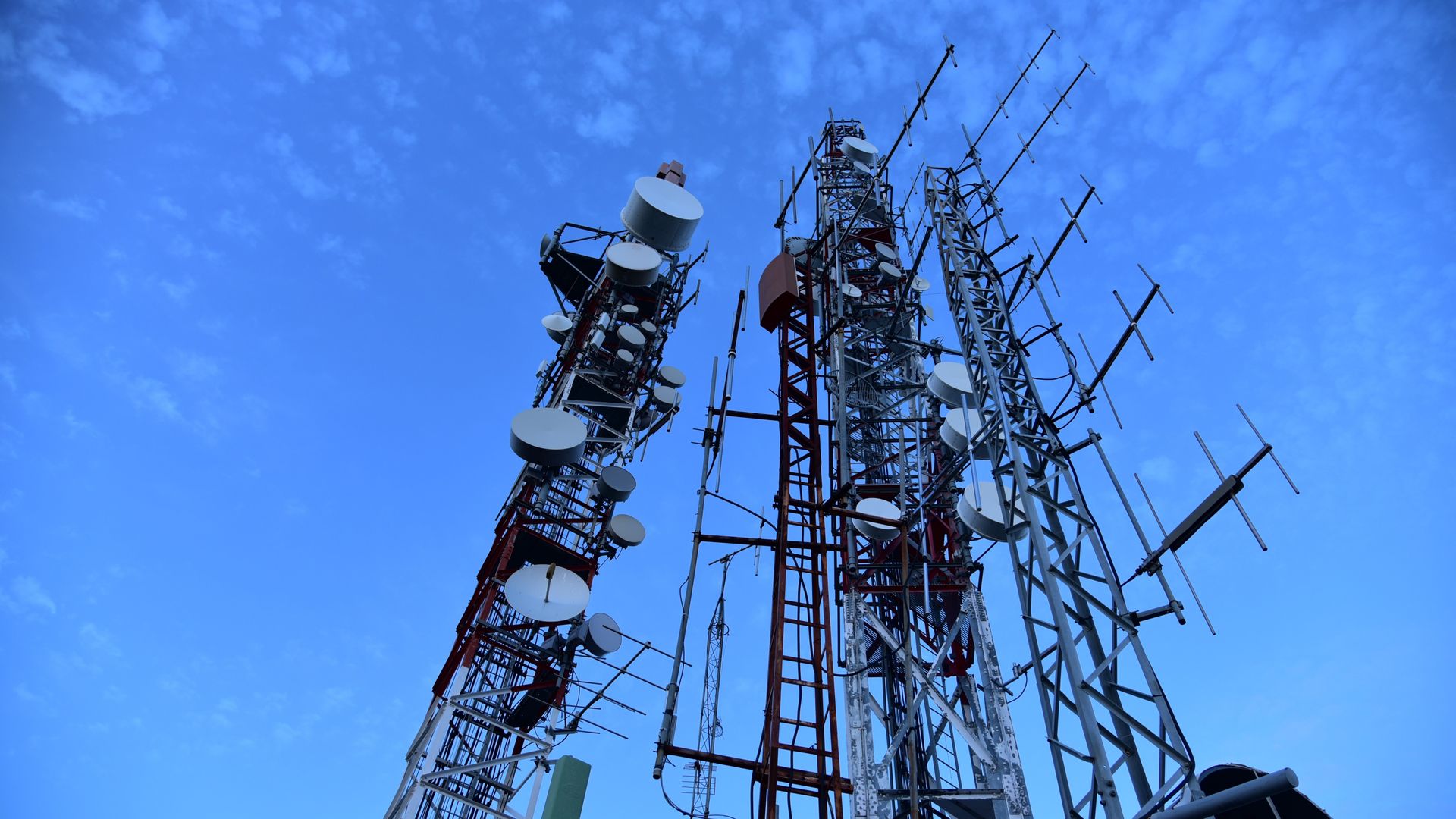
Spectrum alone does not make a network. Höttges pointed to the physical buildout as another expensive hurdle. T-Mobile operates 85,000 towers, and while Starlink could rent tower space rather than construct its own, outfitting those sites with antennas and related equipment would still require an estimated $20 billion to $30 billion. That figure covers the hardware and installation needed to turn rented real estate into working cell sites.
When the spectrum and infrastructure outlays are combined, Höttges arrived at his minimum $200 billion estimate — and he suggested the true figure could climb higher. He also emphasized that the major carriers have spent two decades professionalizing their operations, a level of experience that money alone cannot instantly replicate.
Not Counting Musk Out
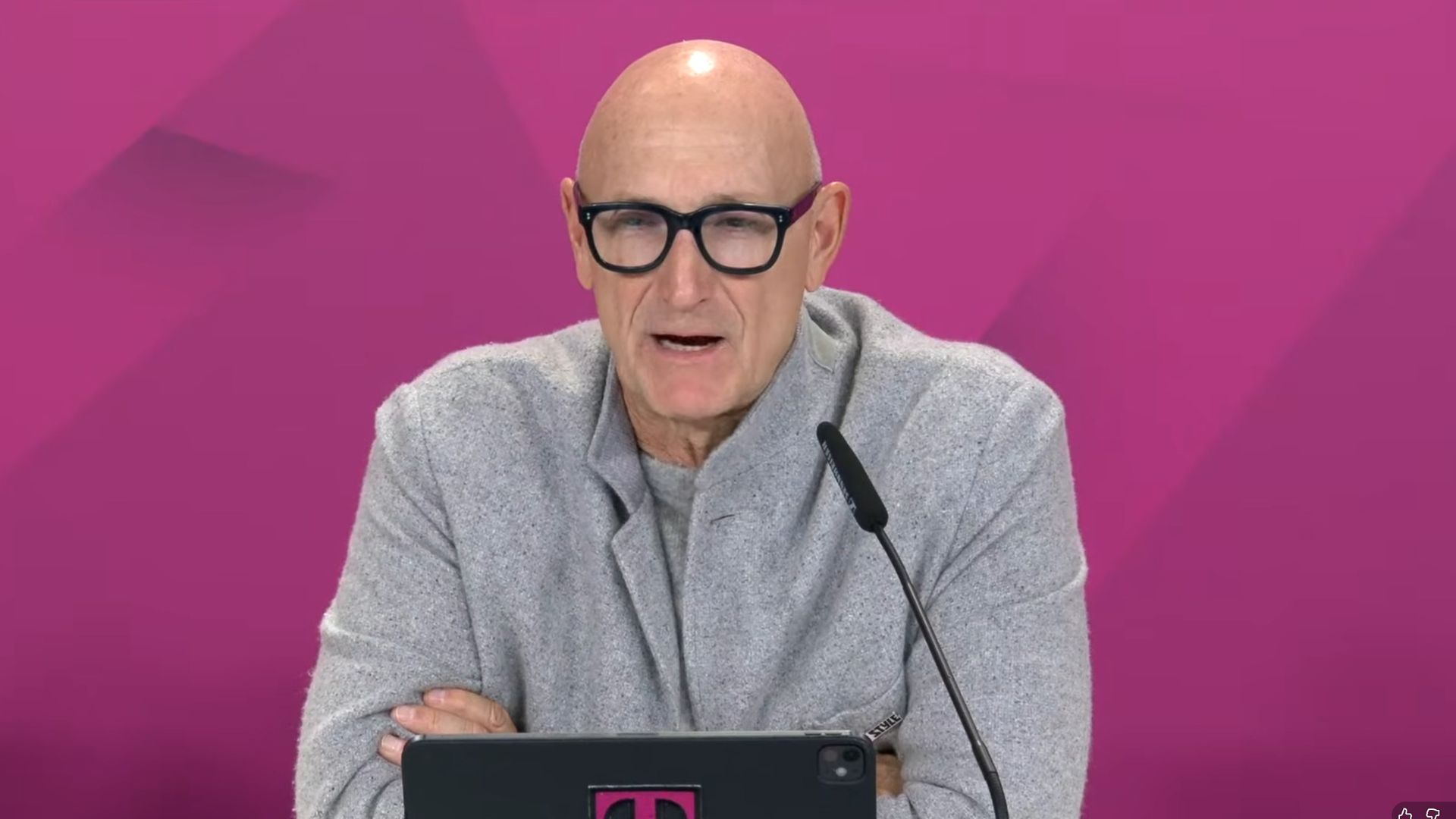
Despite the daunting numbers, Höttges made clear he is not dismissing the effort. He said he takes Musk’s attempt seriously and welcomed the competition, closing his remarks on the topic with a simple welcome to the party. That tone reflects a recognition that Musk has disrupted established industries before.
Höttges drew a direct parallel to the automotive sector, where Tesla entered a legacy combustion-engine industry with new technology and forced incumbents to adapt. He warned that carmakers ignored the shift for too long, and he does not intend to make the same mistake in telecom. In his view, Starlink brings a different kind of player to the ecosystem — one with chipsets, data centers, AI, satellites, handsets, and potentially social media or agent models integrated into its service. That combination, he argued, creates a new way of delivering communication services rather than a simple mobile-to-mobile comparison.
Industry Analysts See a Long Road
Telecom analysts broadly agree that Starlink Mobile faces a multi-year path to becoming a genuine fourth nationwide carrier in the U.S. Mike Dano, lead industry analyst at Ookla, outlined a lengthy checklist: building radios based on Qualcomm’s technology, mounting them on cell towers across the country, launching thousands of new satellites to support the spectrum it aims to buy from EchoStar, selling phones that support the relevant bands, and developing a retail strategy to win customers from existing providers. He also raised an open question about whether a future Starlink Mobile network would be robust enough to meet users’ needs.
Still, Dano described the recent Qualcomm agreement as a significant step toward credibility, even if the process takes several years. Tim Farrar, president of TMF Associates, identified the purchase of remaining EchoStar spectrum assets and a settlement with tower companies as the quickest route to filling in the missing pieces for Qualcomm’s equipment.
With those moving parts in play, the story is expected to develop rapidly in 2027. For now, Höttges’s $200 billion figure stands as a stark measure of the distance between Starlink Mobile’s current position and the scale of the established carriers it hopes to challenge.