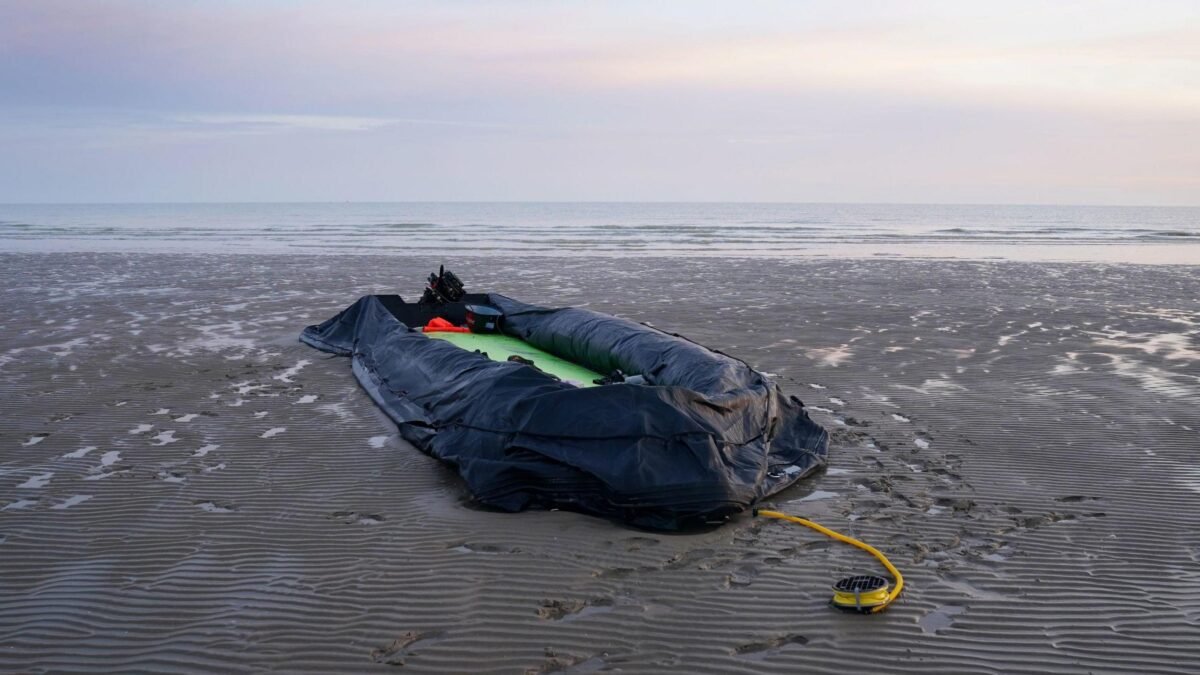
The discovery of a small boat carrying 38 migrants that had set off from the Dutch coast is a sign that people-smuggling networks are adapting, according to Dover MP Mike Tapp. The vessel was found near Cadzand with no engine, and prosecutors confirmed it had entered the water from Dutch territory.
The Dutch coast launch marks a departure from the long-established pattern of departures from northern France, and it comes as crossings have been attempted across a broader stretch of coastline from Belgium to Normandy this year.
Dutch authorities respond to first known case

Dutch Deputy Prime Minister Bart van den Brink, who also serves as minister of asylum and migration, described the incident in Dutch waters as highly disturbing. He noted that the problem had long been centred on Calais before shifting north toward Belgium, and said this was the first time the Netherlands had seen such activity. Van den Brink said the relevant Dutch authorities would be brought together to examine what lessons could be drawn.
Bastiaan van Blokland of the Netherlands Red Cross said the crossing was unusual and appeared unsafe. He described a dire situation: 38 people on a boat with their legs hanging over the side, in cold weather, and without an engine. He added that such movements are not familiar in the Netherlands and that the organisation would remain alert.
Two men are still being questioned on suspicion of people smuggling, police said.
Launch sites spread along the coast

Small-boat smuggling attempts have risen since 2018, with beaches around Calais and Dunkirk traditionally serving as the main departure points. Earlier this year, a sudden increase in boats setting off from Belgium was reported. Federal Belgian police suggested that French enforcement activity had contributed to the shift.
Dutch police described the rescue as rare, though a small number of cases in recent years have involved smugglers caught trying to use yachts to bring migrants to the UK from the Dutch coast.
Former UK Border Force director general Tony Smith said it was clear that human smugglers in Europe continue to try new routes. He noted that launches have recently been seen from Normandy beaches, Belgium and now the Netherlands, rather than the short straits to Dover under the original model. Smith said it was important for the Border Security Command to adapt its operations to the expanding challenge.
Crossing numbers down but pressure persists

The UK government said overall crossings were significantly lower this year. Between 1 January and 31 October 2026, 22,128 people crossed the English Channel by small boat from France, a drop of 40% compared with the same period the previous year. The government also said this year had seen the lowest number of summer arrivals since 2020.
Tapp said that as launch disruptions grow, criminal gangs will adapt, including by finding new launch locations and methods. He said operational efforts must also be agile, and that while crossings had fallen significantly, much work remained.
Nearly all people who arrive by small boat claim asylum, and under international law they are allowed to stay while their application is considered. Small-boat arrivals accounted for 40% of asylum applications between July 2025 and June 2026. Boats arriving between 1 November 2025 and 31 October 2026 carried an average of 68 people, more than double the 2021 figure. Experts say overcrowding makes crossings riskier, and at least 84 people died attempting the crossing in 2024, according to the United Nations.
In October, the government said the home secretary had signed a deal with the Belgian interior minister allowing police in both countries to exchange intelligence more quickly to disrupt organised criminal networks, including those involved in migrant smuggling. Officials said nearly 1,050 French officers are now supporting UK-France efforts to stop crossings, with an additional surge team bolstering operations on western beaches.
A Home Office spokesperson said joint efforts with international partners had prevented more than 50,000 crossing attempts and seized 1,100 boats and engines since the election. The spokesperson added that more officers would be deployed on the ground in France and that the government was working to remove the pull factors drawing people to the UK through illegal and dangerous routes.