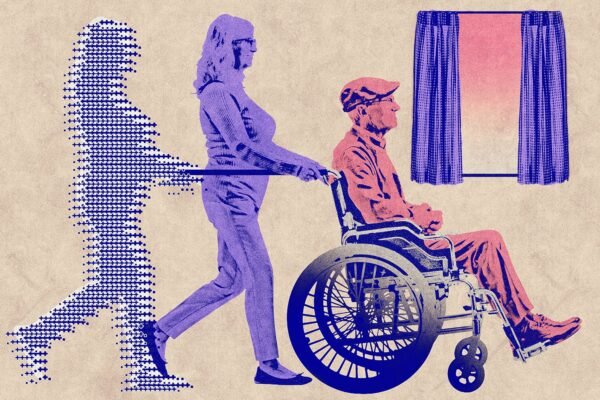
A humanoid robot cleaning service in San Francisco offers a glimpse of domestic automation, but the current reality involves remote human operators rather than full autonomy. The service, run by local startup Tau Robotics, recently cleaned one reporter’s apartment after she joined a waitlist, drawn by the promise of a Jetsons-like experience. The robot arrived with cameras onboard, and a person off-site steered it through the tasks. Tau Robotics aims to make autonomous cleaning robots a reality, but the technology is not there yet.
The trial surfaced unexpected challenges alongside moments that felt genuinely futuristic. The gap between the demo and a fully independent household helper remains wide, even as the concept captures public imagination.
Samsung's Pyeongtaek campus and the memory behind generative AI

Generative AI models rely on stacks of specialized memory chips, and Samsung is responding to soaring demand by constructing a vast semiconductor manufacturing campus in Pyeongtaek, South Korea. The site south of Seoul already hosts three fabs running around the clock. A fourth is coming online, and thousands of workers are racing to build a fifth. The scale of the complex reflects how central memory hardware has become to the AI buildout.
The Pyeongtaek hub is not a speculative project but an active industrial operation, with existing facilities working continuously and expansion underway. That pace underscores the pressure to supply the components that AI systems depend on.
Market jitters and policy pressure
The same week brought signs of strain in the financial markets tied to AI. Nearly $2.5 trillion was wiped off tech stocks, and the Nasdaq recorded its worst day since April 2025 amid fears of an AI slowdown. The so-called Magnificent Seven lost over $1 trillion, while Tesla and SpaceX combined lost more than $420 billion. The sell-off spread from Wall Street to Asia and Europe, and questions about whether the AI stock bubble is finally bursting moved to the foreground.
In Washington, emboldened Democrats are preparing to bring tech CEOs before Congress. Senator Bernie Sanders has called for a national moratorium on data centers, and Representative Yassamin Ansari plans to pause advanced AI development. The backlash could delay Anthropic’s IPO, according to reports. Meanwhile, local resistance to data centers continues to surface, with communities objecting to facilities in their backyards.
Security, science, and the week's stranger corners
US authorities warned of an ongoing cyber threat targeting refrigerators, following a spate of hacks against commercial freezers. Russia denied claims that it was behind the attacks. In AI research, Anthropic’s models are helping improve their successors nearly twice as fast, though recursive self-improvement is expected to take time. Scientists reported new evidence of active volcanoes on Mars, a finding that may boost the chances of finding life there. New analysis placed the economic benefits of Covid vaccines at up to $64 trillion, potentially double earlier estimates. The Great Pacific Garbage Patch is changing the ocean’s color, brightening the water. NASA unveiled a mysterious experimental aircraft, the X-70, expected to fly within two years. Elon Musk signaled the end for the Cybertruck, with Tesla winding down production in Texas next year. And three-hour movies have driven viewers to a pee-break app, with 7,000 RunPee users signing up for You Can See Everything.
As investors absorb the AI trade’s unraveling, one wealth adviser described the mood plainly: the steamroller had shown up. The remark captured a week in which the hardware race, the market reaction, and the policy fight all converged.