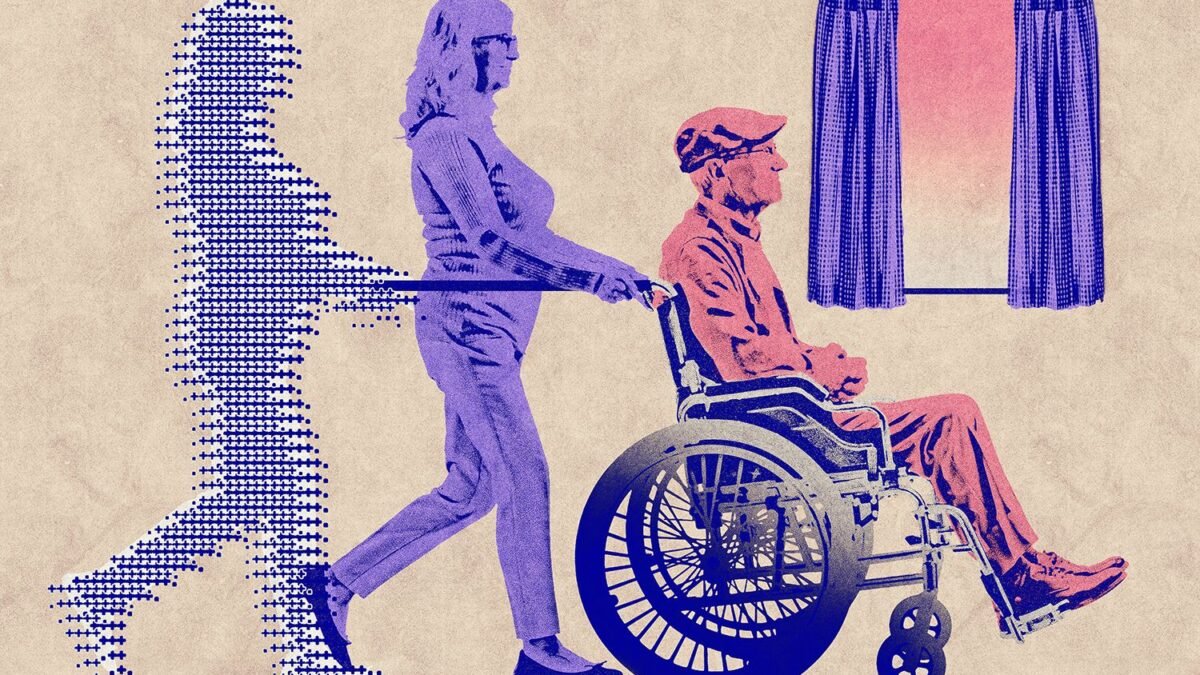
AI caregiver apps are becoming more sophisticated, adding features that summarize medical histories, answer questions and help families coordinate appointments. Yet the deeper problem they are meant to address — the strain on the people providing care — remains largely unsolved, according to caregivers and experts.
An estimated 63 million Americans cared for adults or children with a medical condition or disability in 2025, according to AARP. On average, they spend up to 27 hours a week providing care, while also managing jobs, households and other family responsibilities. The result, as one caregiver describes it, is a constant need to stay in communication and a mental load that is difficult to sustain.
A Growing Market of Tools

The apps available to families reflect a wide range of caregiving situations. Medisafe, created in 2013, tracks medications and sends reminders, and can alert a caregiver when a dose is missed. It also stores appointments, symptoms, health care contacts and measurements, and includes a drug interaction checker.
Caring Village, founded in 2015, offers a shared calendar, to-do lists and a wellness journal for tracking symptoms and moods, including uploads. Caregivers can assign tasks, build a care plan and set medication reminders. The app also includes an AI assistant named Julia that responds to caregiving questions.
Mejo, a web-based app cocreated in 2022 by Bret Koncak, draws on his experience raising two sons with complex needs. Users enter a person’s medical history, which is consolidated into a one-page summary that can be shared with other caregivers, doctors and therapists. Koncak says much of caregiving happens between health care visits, not only during them. The premium version costs $6 a month or $60 a year and adds daily journaling that can be shared with other caregivers. For now, data is entered manually, though Koncak says his team is exploring AI to help users prepare questions for medical appointments.
Brett Rowell, whose son Briggs has cerebral palsy, is developing an app called Briggzy so he and his wife, who work different hours, can hand off care more easily. The app is in testing, with a wider launch hoped for in 2027. Rowell says the questionnaires and appointment details were difficult for him to manage without a shared system that captures his wife’s knowledge.
Citizen Health, launched in 2024 by Nasha Fitter and cofounder Farid Vij, collects medical records and stores them in a secure portal. With user consent, the company extracts and de-identifies information to build understanding of diseases, then shares that understanding back with patients. Six months ago it introduced Ari, an AI “health teammate” in beta that lets caregivers and patients track care and symptoms by text. Ari can access medical records, patient portals and Google Calendar events, including appointment and surgery dates. It notices patterns such as medication timing and prepares summaries and questions for appointments. It can also help with insurance and government benefits. Ari is currently limited to people with rare diseases, but the goal is to make it available to all caregivers and patients.
Privacy and Regulatory Gaps
I. Glenn Cohen, a bioethics and health law researcher and professor at Harvard Law School, is optimistic that AI can help patients prepare for doctor visits. But he cautions that users should understand the risks, especially when a product is free or inexpensive.
Most of these tools are not medical devices, Cohen says, so the FDA has not reviewed them. Their safety and effectiveness rest largely on the company’s claims. Health information that caregivers enter is often not protected by federal HIPAA rules, because it typically does not come from a covered entity. In some cases, Cohen says, users can rely only on contractual promises, and those agreements often limit company responsibility. He also warns that the information collected may include details about parents or other caregivers, not just the person receiving care.
The Upkeep Problem
Even the most capable app depends on regular updates, and that is where many families struggle. Denise M. Brown, CEO and founder of the Caregiving Years Training Academy, has watched many apps come and go because maintaining them can be tedious for people who are already overloaded. Caregivers must upload care plans, schedules and tasks, she says, and physicians, visiting nurses, therapists or hospital discharge planners generally will not log in to provide updates. That work falls back on the caregiver.
Nicole Howell, director of direct care workforce development at the National Council on Aging, says technology can open the door to more seamless care and less stress for caregivers. But she argues that the broader caregiver crisis cannot be solved by any one family or caregiver. It will require government, private industry and family members speaking up about the hard realities, she says.