Nintendo’s Switch 2 sales drop 41% year-over-year in the July-to-September quarter has put the company’s full-year ambitions under a harsh spotlight. Only 2.67 million units moved during the period, a steep fall from the same quarter a year earlier, according to CNBC. The decline was not a surprise to everyone: Kantan Games CEO Serkan Toto had predicted it back in early June.
Price Hikes Across Key Markets
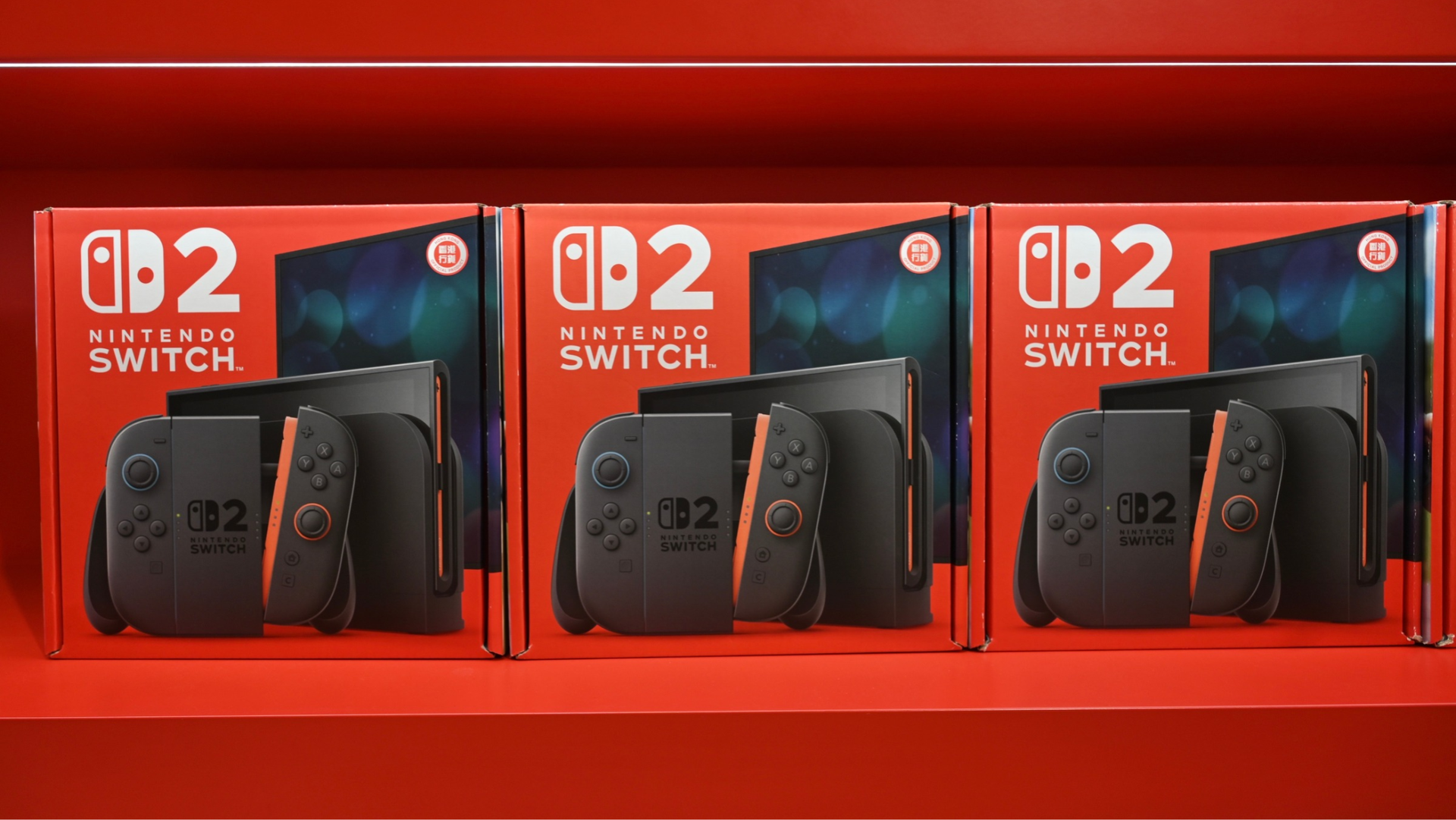
The second fiscal quarter, which runs from July 1 to September 30, saw Nintendo raise the Switch 2’s price in the United States, Canada, and Japan. That move followed an earlier price increase in Japan this year. Toto, whose firm tracks and analyzes the Japanese game industry, expected the higher cost to translate into weaker sales. The numbers now confirm that forecast.
Nintendo is not backing away from its target. The company still expects to sell 16.5 million Switch 2 units by March 31, 2027, the close of Japan’s current fiscal year. Investors, however, are pressing for more major releases to make that goal achievable.
A Thin Blockbuster Lineup
Toto pointed to a limited slate of system-sellers as a core problem. He said Nintendo’s only real blockbuster for the fiscal year is the Ocarina of Time remake, and that this alone is unlikely to satisfy investors, particularly now that the hardware carries a premium price.
The remake arrives tomorrow, but early reactions suggest it may not deliver the boost Nintendo needs. Fans have criticized its visuals as uncanny and overly photorealistic, arguing the look departs from the original’s art style rather than updating its audiovisuals faithfully. The release also appears to offer little beyond the original Ocarina of Time, and it omits the harder Master Quest mode that many longtime players had hoped to see. Taken together, the game is being received more as a reskin than a release that justifies the hype—a perception that could limit its ability to drive Switch 2 hardware sales. Its actual performance will become clearer once it is on store shelves.
Supply Chain Pressure Adds to the Challenge
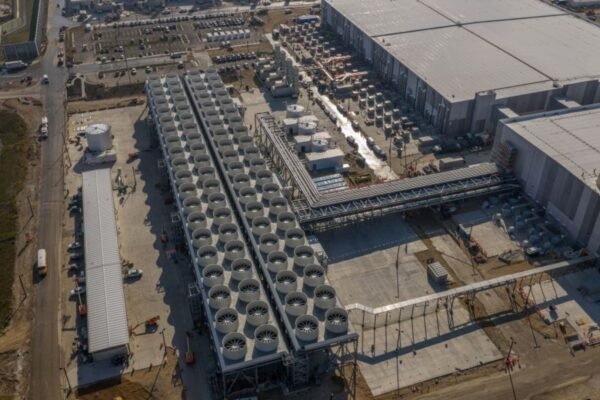
Nintendo’s situation is compounded by a manufacturing issue. Macronix, one of its ROM chip suppliers, has stopped making ROM chips in order to shift capacity toward high-demand NOR and NAND flash chips for AI data centers. The company is reportedly banking on memory price hikes for short-term gain. That supply decision adds another layer of pressure as Nintendo works to keep Switch 2 units flowing.
The immediate task for Nintendo is to broaden the console’s appeal with more big games. New Pokémon titles are planned for 2027, but that leaves a considerable gap. Speculation about whether Nintendo might finally accept Palworld onto its platform has surfaced, though nothing concrete has been announced. For now, the company must convince investors that its 16.5 million-unit forecast is realistic despite higher prices, a slim blockbuster lineup, and component supply constraints.