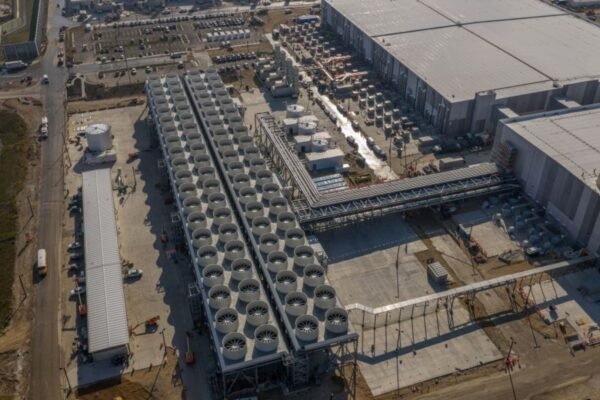
A review of approvals for Nvidia H200 export licenses has uncovered troubling gaps: two of the Chinese companies that received permission to purchase the advanced AI chips appear to exist mainly on paper, with no real operations at their stated addresses. The findings are fueling questions about how thoroughly Washington vets buyers of sensitive American technology.
Ghost Offices and Missing Executives
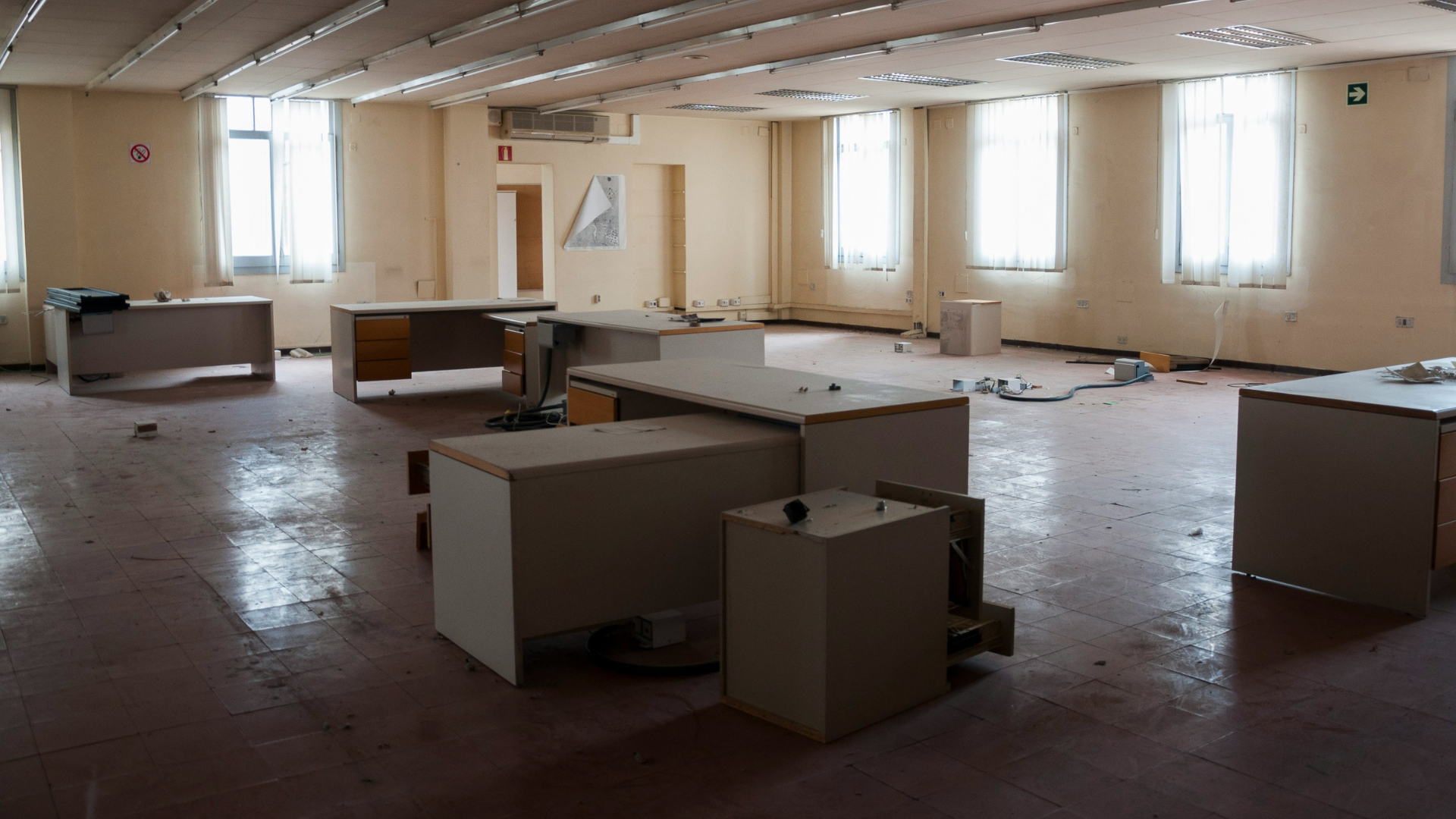
The two firms, New Matrix and Maginfra, were among roughly two dozen Chinese companies approved to buy the H200 GPU. But when investigators visited their registered locations, they found empty offices with only scattered furniture. Building receptionists said they had never heard of either company, and neighbors reported never seeing anyone enter the spaces.
New Matrix’s website offered no information about its owners or corporate history. Public records show it was founded by Li Bin, who along with two other primary owners is connected to Wise Road, a Chinese private equity firm sanctioned by the United States for helping Beijing acquire sensitive chip technologies. Li also chairs Tsinghua Unigroup, a technology conglomerate partly owned by the Chinese government, and owns New H3C Semiconductor Technologies, which the Commerce Department has placed on its Entity List for cooperating with the Chinese military.
Maginfra, meanwhile, is suspected of ties to Inspur, blacklisted by Washington since 2023 for supporting the People’s Liberation Army. The two companies share personnel, patents, and a similar government ownership structure.
Middlemen With Unknown Customers
Neither New Matrix nor Maginfra is listed as the final user of the Nvidia chips. Instead, they are approved to assemble the GPUs into AI servers that would then be forwarded to an end customer. Who those customers are remains unclear.
Liza Tobin, a former China director for the White House National Security Council, voiced strong concerns about the process. She told investigators she worries that neither the Commerce Department nor Nvidia is conducting the due diligence needed to ensure licensing terms are followed.
A Broader Pattern of Questionable Links
The approvals extend beyond these two obscure firms. Zhejiang Yindun Cloud Technology, another license holder, has executives reportedly related to the founder of Range Intelligent Computing Technology Group. That data center operator has sold compute capacity to Chinese military contractors, and Zhejiang Yindun is said to operate partly out of a Range facility.
Many of the approved companies are well-known: Baidu, BYD, Tesla Shanghai, ZTE, Alibaba, Tencent, and ByteDance. ZTE was previously blacklisted from the U.S. market. The presence of such major players alongside shell-like entities has intensified scrutiny of the licensing regime.
Policy Whiplash and Delayed Shipments
President Donald Trump banned exports of Nvidia AI GPUs in April 2025, including models customized to meet Washington’s performance ceiling for AI processors. He reversed the decision late last year in exchange for a 25% cut of sales, but more than eight months passed before the first H200 shipments reached China. Beijing’s refusal to greenlight purchases for several months caused the delay. Once China lifted its import ban, a wave of applications followed, and about two dozen firms have now received approval.
The empty offices and sanctioned connections raise fresh doubts about whether the U.S. government is rubber-stamping GPU export license applications rather than scrutinizing each one for potential links to Beijing’s military ambitions.