

The Mercedes-AMG GT 4-Door EV arrives as the first true AMG model powered exclusively by batteries, and it directly confronts the biggest obstacle facing high-performance electric cars: weight. After two days of driving on both road and track, the verdict is that Mercedes has largely neutralized the mass penalty that typically dulls EV dynamics.
That achievement matters because batteries are heavy, and heavy objects resist changes in direction. The old physics rule about an object in motion staying in motion makes nimble cornering a stubborn engineering problem. Mercedes, however, has a long history of embracing such problems, and the AMG GT 4-Door EV demonstrates how software and hardware can work together to restore agility.
Three Motors and a Sports-Car Architecture
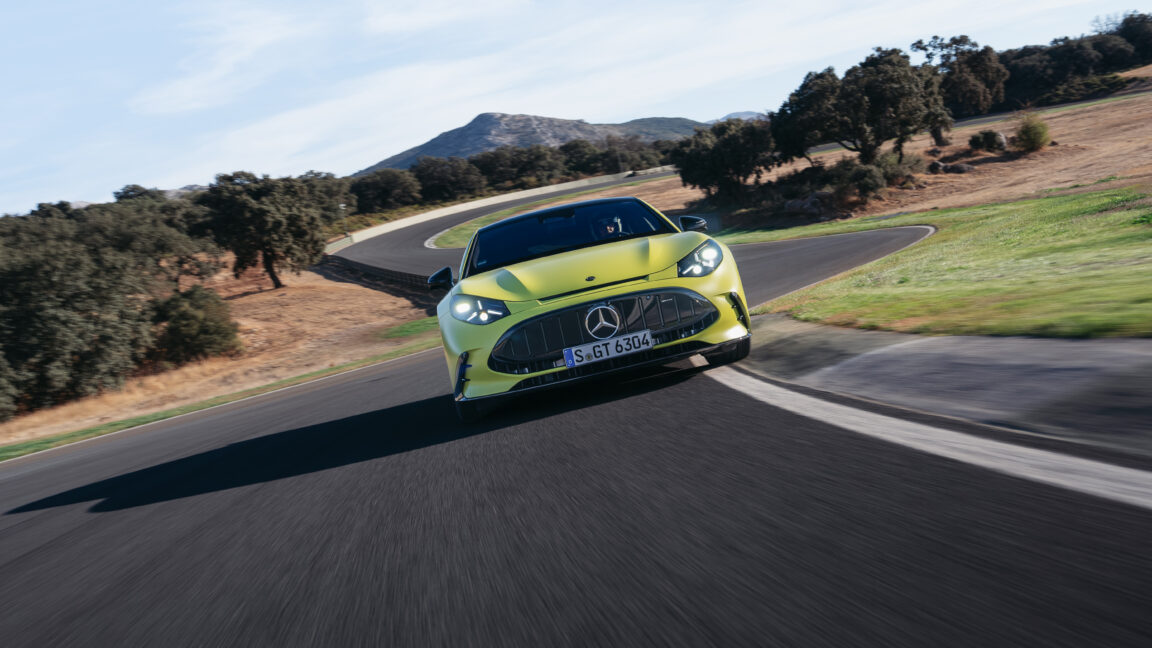
At the core of the solution is the AMG.EA sports-car architecture, a dedicated platform that continuously manages power delivery from three electric motors. This setup is not simply about straight-line acceleration. The system constantly adjusts torque distribution while coordinating the Active Ride Control suspension, steering—including up to 6 degrees of rear-axle steering—and active aerodynamics. The result is a vehicle that feels firmly planted to the roadway in both street and track environments.
The three-motor layout allows for precise, rapid adjustments to how power reaches the ground, which helps counteract the inertia of the battery pack. Meanwhile, the rear-axle steering enhances low-speed maneuverability and high-speed stability, effectively shortening the car’s turning radius in tight corners and improving confidence during quick direction changes.
Track Capability Without Sacrificing Comfort
Mercedes claims the AMG GT 4-Door EV is as comfortable on the track as it is on the street, and the driving experience supports that dual personality. The vehicle remains composed during aggressive cornering, with the active suspension and aerodynamics working to keep body movements in check. On the road, the same systems contribute to a settled, refined ride that belies the car’s performance potential.
The engineering effort extends beyond hardware. Decades of producing high-performance vehicles have given Mercedes the know-how to tune these systems so they deliver the response and feedback that AMG customers expect from a car wearing the Affalterbach badge. The integration of power delivery, suspension, steering, and aero is seamless, making the car feel smaller and lighter than its battery pack would suggest.
Why It Matters
Electric performance cars have often been criticized for feeling heavy and disconnected. The AMG GT 4-Door EV offers a counterpoint: with the right architecture and active technologies, an EV can be both fast and engaging. The car does not eliminate weight, but it manages it in a way that preserves the fun-to-drive character that enthusiasts value.
For Mercedes-AMG, this model represents a technological triumph that aligns with the brand’s performance heritage while embracing an all-electric future. It also answers the complaint that automakers no longer take chances on fun, unusual cars. The AMG GT 4-Door EV is not just a statement about electrification; it is a demonstration that driving pleasure can survive the transition to batteries.


