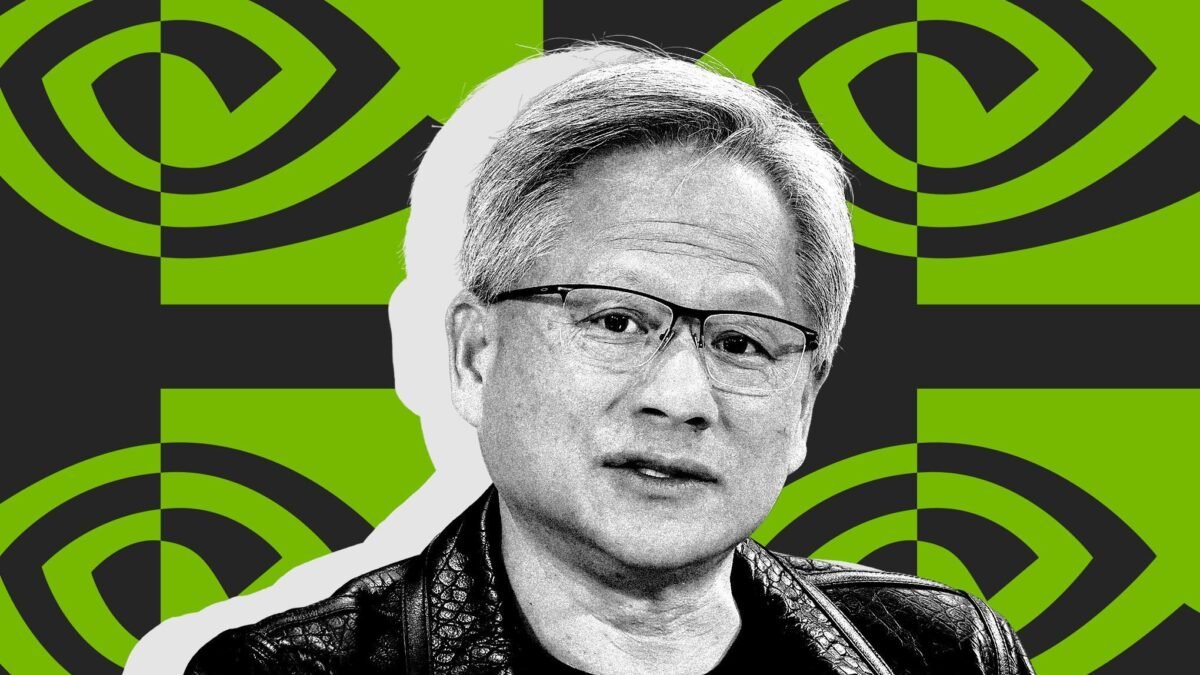
Nvidia has launched an internal investigation after CEO Jensen Huang confirmed a personal relationship with Alice Huang, an executive at Megaspeed, an AI compute firm that rents access to Nvidia GPUs. The acknowledgment has intensified scrutiny because US intelligence reports have reportedly identified Alice Huang—who is not related to Jensen Huang—as an operative for China’s Ministry of State Security.
The Jensen Huang affair investigation now sits at the intersection of corporate governance and national security, given Nvidia’s central role in the US artificial intelligence strategy and its involvement in policy debates over Chinese access to advanced AI hardware.
Who Is Alice Huang?

Alice Huang serves as an executive at Megaspeed, a company that provides access to Nvidia’s graphics processing units through rental arrangements. According to recent reporting, US intelligence had flagged her as both a business figure in the AI compute sector and an alleged spy for China’s Ministry of State Security since last year.
The dual allegations—business executive and foreign intelligence operative—have raised questions about potential overlaps between commercial dealings and espionage. However, no evidence has been publicly presented to substantiate the spying claim beyond the intelligence reports cited.
Nvidia's Response and Ongoing Probe
Nvidia and Jensen Huang have stated they have “no reason to believe that either national security or NVIDIA secrets were compromised.” Despite that assertion, the company is proceeding with an investigation, and the matter remains unresolved.
The probe is examining the relationship and any possible implications for Nvidia’s proprietary technology and strategic interests. The company has not disclosed further details about the scope or timeline of the investigation.
Why This Matters for the AI Industry
Nvidia’s position in the AI ecosystem amplifies the significance of the controversy. The company, now valued at over $4 trillion, has become a linchpin of the Trump administration’s AI agenda and a key player in negotiations over potential Chinese access to cutting-edge AI hardware.
Beyond its own chips, Nvidia has used its market strength to finance other AI companies, including so-called “neoclouds” like Coreweave, which have been among its largest customers. Any suggestion that sensitive technology or strategic information could be exposed to foreign intelligence raises concerns across the sector.
Political and Public Reactions
The story has generated worldwide discussion, drawing attention from political figures and industry observers. President Trump has commented on what he knew about Jensen Huang, though the exact nature of his remarks was not detailed in the initial reporting.
The affair has also sparked broader debates about the personal lives of tech leaders and the potential national security implications when business and geopolitics intersect.
What Comes Next
As the investigation continues, Nvidia faces pressure to demonstrate that its security protocols and corporate governance are robust. The outcome could influence how the company navigates its role in US-China tech tensions and how it manages relationships with partners and customers.
For now, the company maintains that no compromise has been identified, but the probe signals that the matter is being taken seriously at the highest levels.