
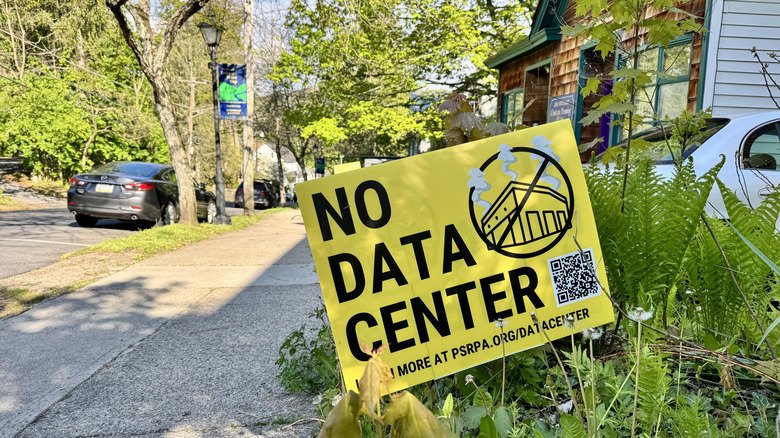
Local elections across the United States delivered a broad verdict on the country’s data center expansion, with voters approving 33 measures to restrict the facilities and another six projected to pass, according to tracking site Data Centers on the Ballot. The data center ballot measures appeared in 45 contests across 10 states, and as of early Wednesday morning only one municipality had rejected a restriction.
The scale of the rebuke was striking. Of the 45 measures, 33 had passed outright, while six more were projected to succeed for opponents of the facilities. Five localities had not yet posted any voting data. The lone loss for restriction advocates came in Harwood, North Dakota, where residents voted down an amendment that would have required the local government to hold public hearings before approving large industrial projects such as 100-megawatt data centers.
A varied set of restrictions
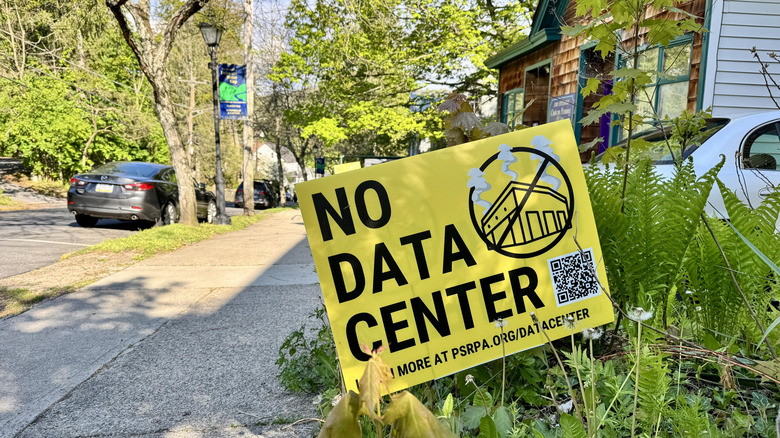
The measures that passed were not uniform. They ranged from outright bans and temporary moratoriums to limits on energy use and requirements that elected officials obtain public approval before a project could proceed. That variety reflects the different concerns driving local opposition, but the common thread was a desire to slow or block the facilities.
Ohio stood out as the clearest example of voter sentiment. The state currently hosts 257 data centers, and on Tuesday the issue appeared on 20 ballots there. In every instance, the vote to restrict the facilities had either already won or was projected to win. Two cities considered outright bans, and the margins were lopsided: Urbana voters backed a ban with 76 percent support, while Hubbard approved its ban with 77 percent.
Ohio Senate race puts data centers in focus
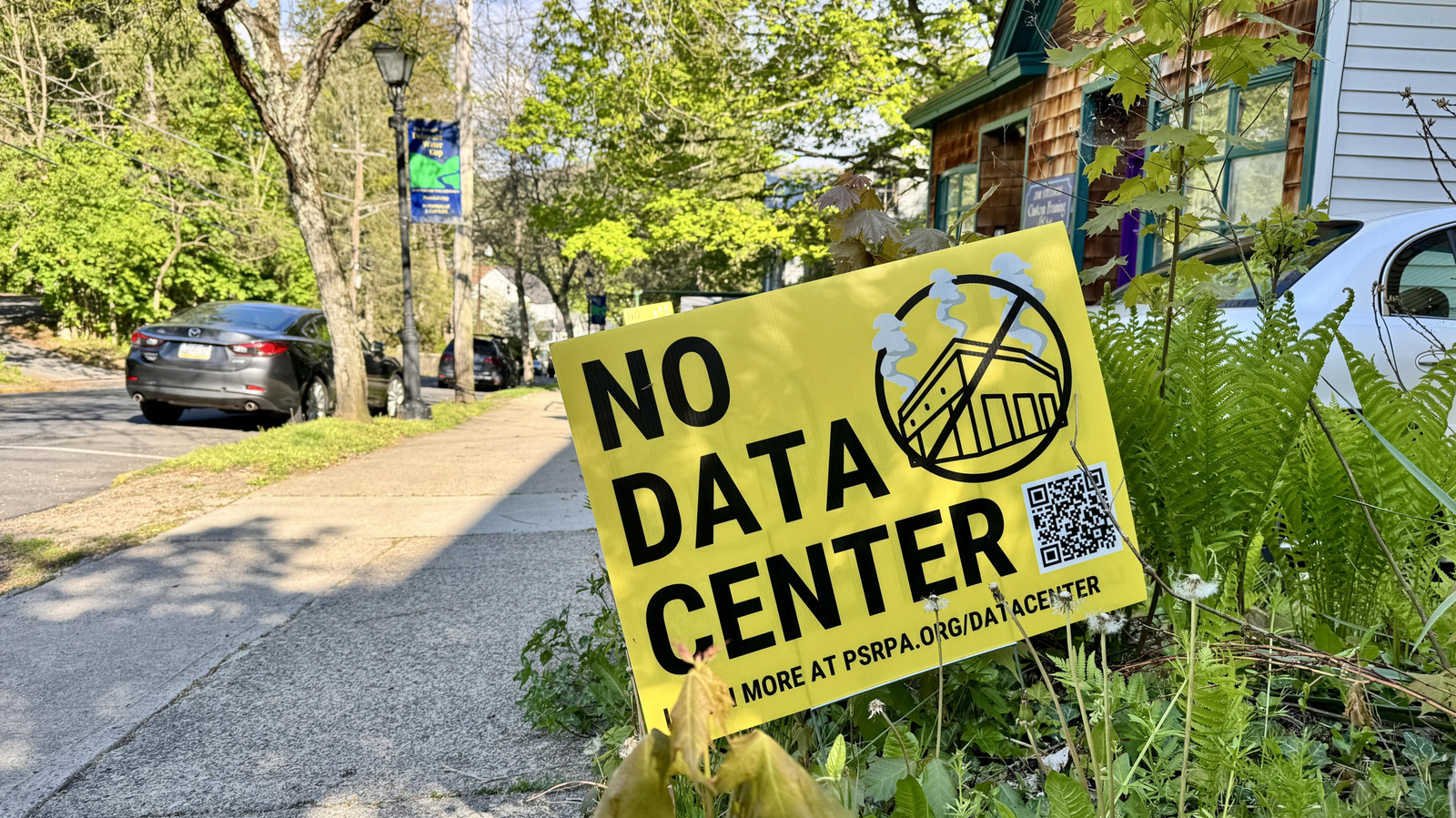
The backlash extended into the state’s US Senate contest. Democrat Sherrod Brown made opposition to data centers central to his platform, labeling his opponent, Senator Jon Husted, as the face of data centers and blaming him for the more than 200 facilities across Ohio. The Associated Press declared Brown the winner of the race last night.
Data center backlash appears to have factored into races beyond Ohio as well. An NBC exit poll found that 56 percent of voters said AI and data centers played either a crucial or major factor in their vote for Congress.
What the results signal
The breadth of the measures, spanning 10 states and 45 separate ballots, suggests the issue crossed party lines and local boundaries. The fact that only one municipality rejected a restriction measure underscores how consistently voters leaned toward limits. Five localities had yet to report voting data, leaving a small number of outcomes unresolved.
The results do not by themselves change state or federal policy, but they provide a detailed of local sentiment toward the data center boom. With 33 measures passed and six projected to pass, the data center ballot measures represent one of the clearest expressions of public concern over the facilities’ growth in this election cycle.


