The buttons return to car interiors as a growing number of drivers push back against touchscreen-heavy dashboards, according to a senior designer who has watched the cycle of automotive fashion swing from physical controls to software and now back again. Hiren Patel, senior design manager at Nissan, said the industry’s move toward minimalist cabins was driven by cost and manufacturing logic rather than a careful assessment of how people actually use cars.
Why the Switchless Cabin Became Popular
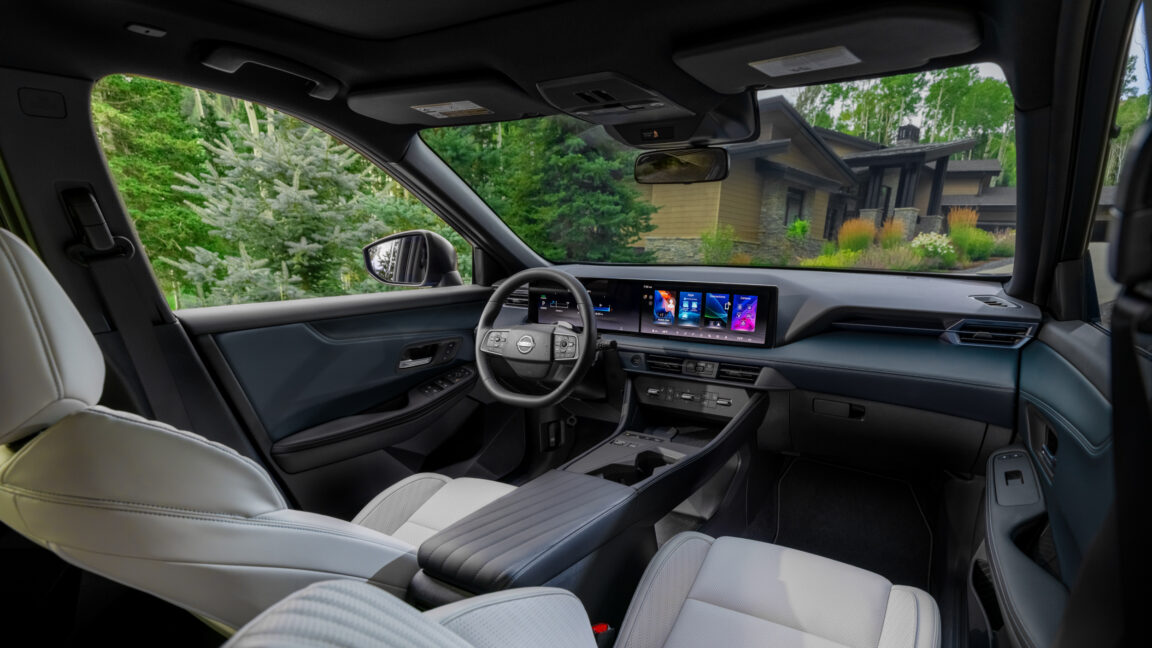
Patel explained that during the height of the piano black and switchless interior trend, designers, companies and engineers shared a common assumption: removing physical switches and placing their functions in software would save money and avoid the expense of tooling up extra parts for each unique model. The goal was also to make the interior feel more like a software experience.
That approach produced cars with clean, uncluttered cabins that looked impressive in a dealership showroom. But Patel drew a distinction between how a car appears when parked and how it performs once it is on the road. Drivers do not simply sit inside their vehicles; they operate them in motion, where attention is divided and every interaction competes with the task of driving.
“Lots of people were complaining about it,” Patel said, describing the feedback from drivers who found that adjusting the temperature, moving a seat or performing other routine tasks required taking their eyes off the road. He compared the experience unfavorably with using a phone, where controls sit right at the user’s fingertips and feel intuitive. In a car, the same logic does not transfer cleanly, because the driver cannot afford to look away from traffic while hunting for a menu item.
The Backlash Is Having an Effect
According to Patel, the pushback is working. The industry is responding to complaints that the switchless interior, whatever its cost advantages, made basic functions harder to perform safely. The return of buttons is not simply nostalgia; it reflects a recognition that some controls are better left physical when the person using them is also responsible for steering a moving vehicle.
The original switchless experiment was not malicious. Patel said it was done with the intention of saving money and simplifying production, and the showroom appeal was real. But the gap between how a cabin looks at a standstill and how it works at speed proved difficult to ignore. Drivers noticed that tasks which had once been simple—changing the temperature, adjusting a seat—now demanded visual attention that pulled them away from the road.
What the Shift Means for Drivers
The change in direction suggests that automotive interior design is subject to the same cycles of trend and overuse as home interiors. An idea can be genuinely useful and still become stale when applied everywhere without regard for context. In the case of switchless cabins, the problem was not merely aesthetic. The human-machine interface became demonstrably worse for the person behind the wheel, adding to distraction even as it saved costs for manufacturers.
For buyers, the practical consequence is a gradual restoration of physical controls in places where they matter most. The return of buttons does not mean every switch will come back, nor that screens will disappear. It means designers are being forced to weigh the showroom impression against the reality of driving, and to acknowledge that intuition at a standstill is not the same as intuition at highway speed.
Patel’s account makes clear that the pushback came from drivers who experienced the shortcomings firsthand. Their complaints about taking their eyes off the road to change the temperature or adjust a seat were specific and repeated. The industry’s response indicates that those voices are being heard, and that the pendulum is swinging back toward interiors that prioritize ease of use over the appearance of a software experience.