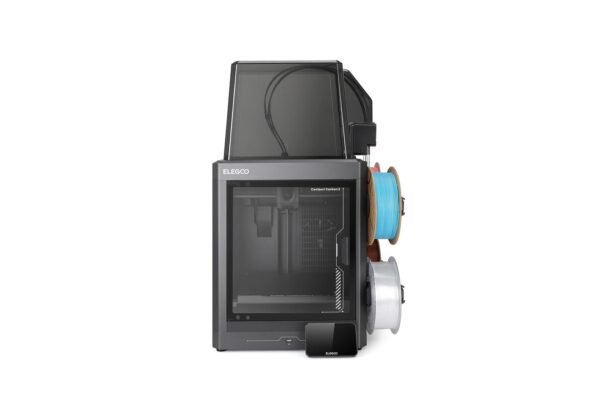
Apple touchscreen MacBook — Apple has finally put a touchscreen in a MacBook, and the timing is drawing scrutiny. The company chose 2026 to introduce a display it calls PROLED, paired with touch input. Windows laptops have offered touch and OLED panels for more than a decade, and OLED’s contrast advantages are well established. A close look at Apple’s decision asks why the company waited, how it might phase the feature across its device lineup, and what that strategy says about its approach to rolling out new capabilities.
Micron lays out DRAM and NAND plans
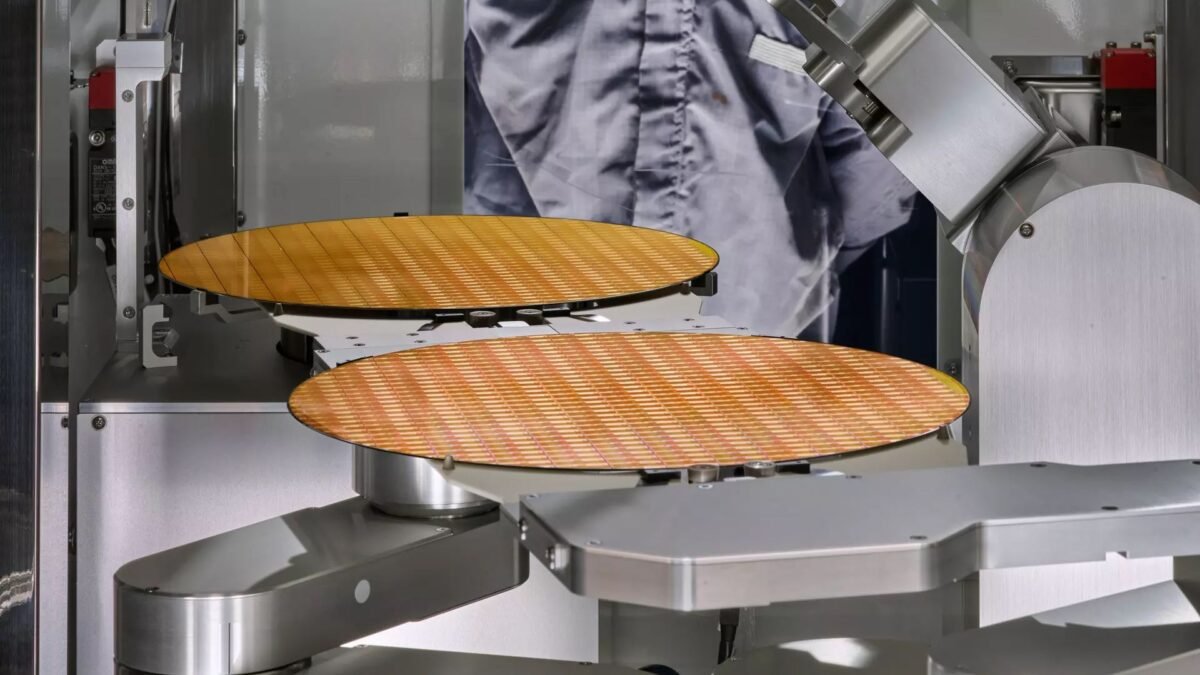
Micron’s latest product roadmap covers new DRAM devices, 3D NAND, high-NA EUV lithography tools, and more. Memory has become a central concern as the industry races to build faster, more capable AI accelerators, and Micron is one of the companies gaining from that surge in demand. The roadmap details its 1δ DRAM, which is set to be manufactured on American soil. Micron also showed its 11th-generation NAND, which has more than 400 layers. The document traces where the company’s projects stand today and where they are headed over the next several years.
GlobalFoundries pursues 7nm-class performance without EUV
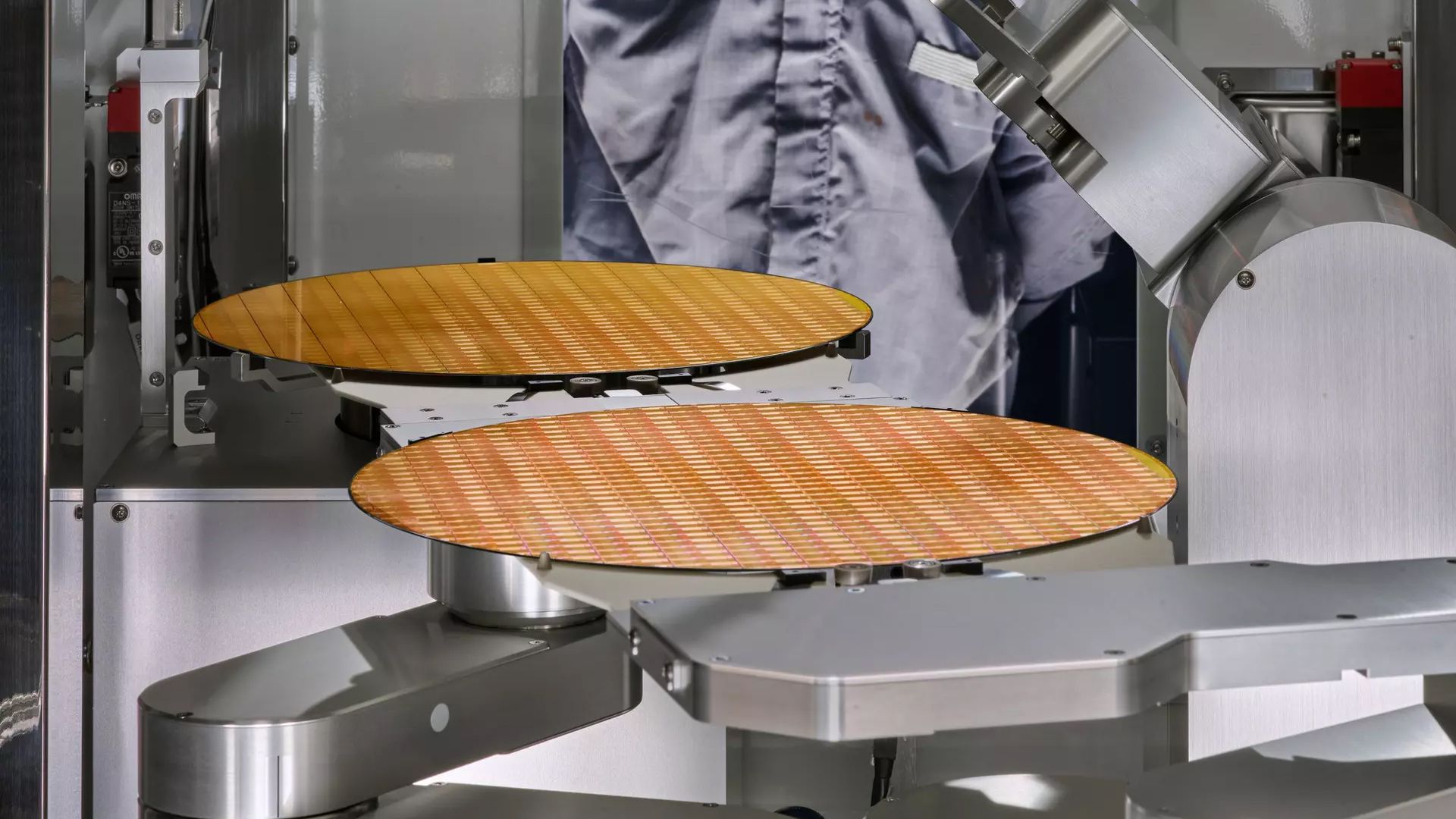
ASML’s EUV lithography machines remain in high demand, but GlobalFoundries is taking a different path with a technology called FDX Fusion. The approach relies on established DUV lithography rather than EUV. In an interview, GlobalFoundries VP Sudipto Bose explained the new technology, which promises 7nm-class performance using advanced planar transistors. The company sees applications across a range of devices, including data center systems. Bose discussed why GlobalFoundries chose to advance FDX Fusion without EUV, a route that differs from many of its peers, and offered a look at what the company may be planning next. GlobalFoundries is targeting 2030 for high-volume manufacturing.
Intel's Nova Lake platform will need new motherboards

Consumer PC parts are also on the horizon, with new products expected sometime in 2027. Intel’s Nova Lake platform has drawn attention over rumors about boost clocks and a large last-level cache, or bLLC, which is positioned as the company’s answer to AMD’s popular X3D chips. A new platform also means new motherboards and chipsets. For anyone considering an upgrade, the current knowledge about Nova Lake’s associated motherboards has been gathered, including a new socket and a suite of features across budget ranges. The chipsets discussed include Nova Point and the Z990, Z970, and B960.
Marvell to acquire Lumentum in $115 billion deal

Marvell has signed an agreement to acquire optics company Lumentum in an all-stock deal valued at $115 billion. The move would combine two of the largest players in the optical market into one company. It would also significantly affect Marvell’s overall optical infrastructure portfolio, particularly in in-house laser manufacturing. Optics remains a critical part of the AI connectivity puzzle as copper reaches its natural limits and companies rush to build both scale-up and scale-out domains. A detailed analysis explores all aspects of the proposed merger.
PHP vulnerability had been known to maintainers
AI’s disruption of cybersecurity has been covered before, and a recent PHP vulnerability is the latest in a string of critical issues found in commonplace software that forms the foundation of the modern internet. A post-mortem from The PHP Foundation examined the issue and the organization’s response. The bug was known two years ago, before it was made public, by a small team of maintainers. A new PHP2Shell chained exploit has been affecting servers.
Google's Gemini 4 Carbon tops benchmarks
Google’s Gemini 4 Carbon AI model recently topped charts as one of the most capable frontier AI models available. Google has historically lagged in the overall AI frontier race, with more irregular releases than competitors such as Anthropic or OpenAI. An exploration of Gemini 4 Carbon’s standing examines how it fares in the broader AI competition and where it may hold advantages, including being the model least likely to hallucinate, according to benchmarks. The model narrowly beat Claude Opus 5.5.
Nagare Labs shows early Z2RAM memory
Nagare Labs, a company backed by Pat Gelsinger, has showcased a new type of memory called Z2RAM. It can achieve rapid, SRAM-like speeds with the same density benefits as DRAM. The product is still in early testing, and the latest published figures and roadmap point toward the device potentially becoming an alternative to High Bandwidth Flash, or HBF. A technical analysis explores all elements of the published design documents. The latest published cell retains data for over 300 seconds at 85°C, though further figures are projected.