House hunters scrolling through online listings have long learned to read between the lines of estate agent descriptions. Now they must also look between the pixels. AI-enhanced property photos have become a common sight on portals such as Rightmove, and the results range from subtly improved to downright bizarre.
The problem has been documented extensively on Reddit, where users in communities like r/SpottedonRightMove share examples of listings that promise far more than the bricks and mortar can deliver. Furniture, fixtures and even structural elements appear in images that do not match the reality of the property. For anyone who has dealt with the stress of moving, the frustration is easy to understand: the dream home you spot online may be a digital invention.
Spotting the Cracks in the Facade
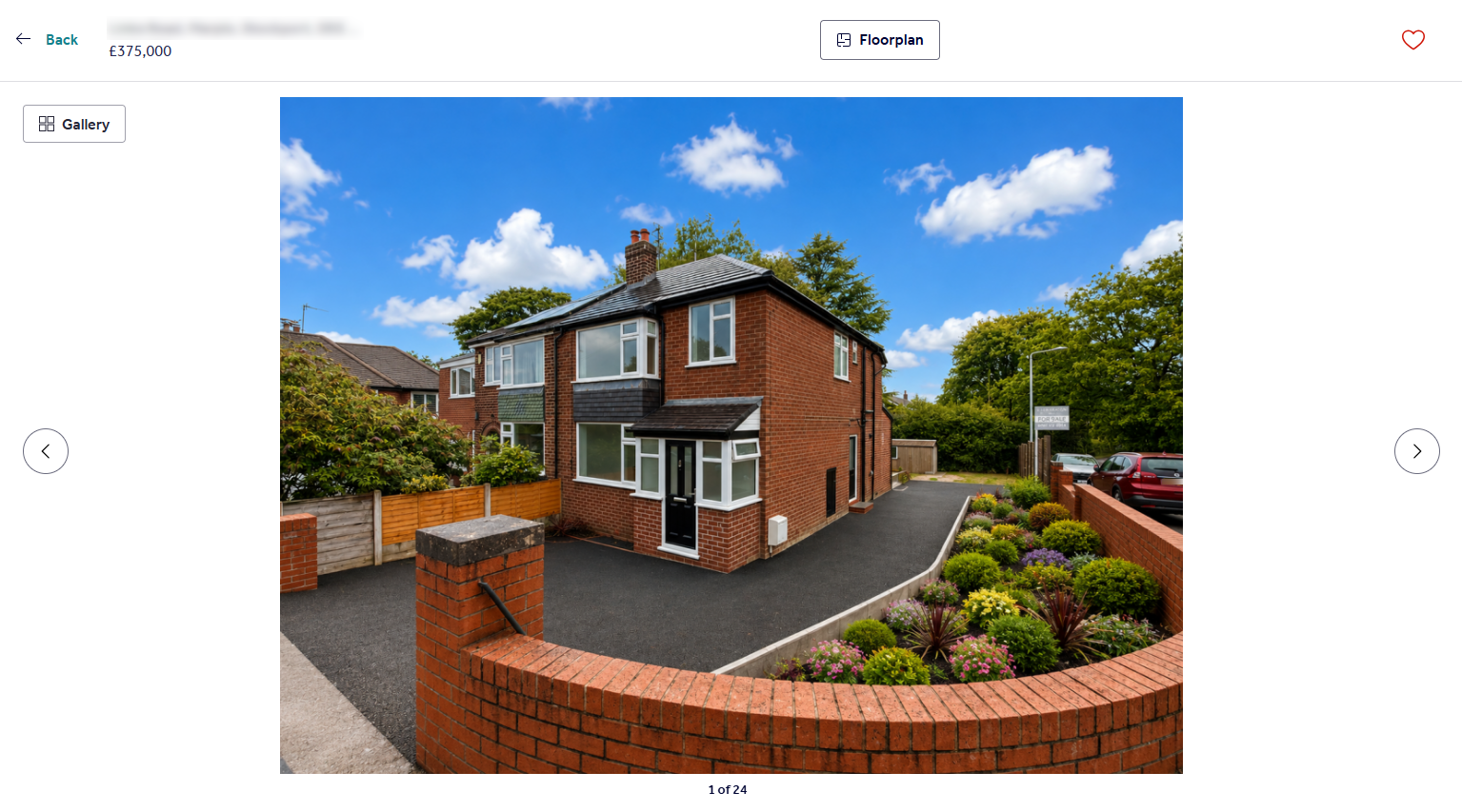
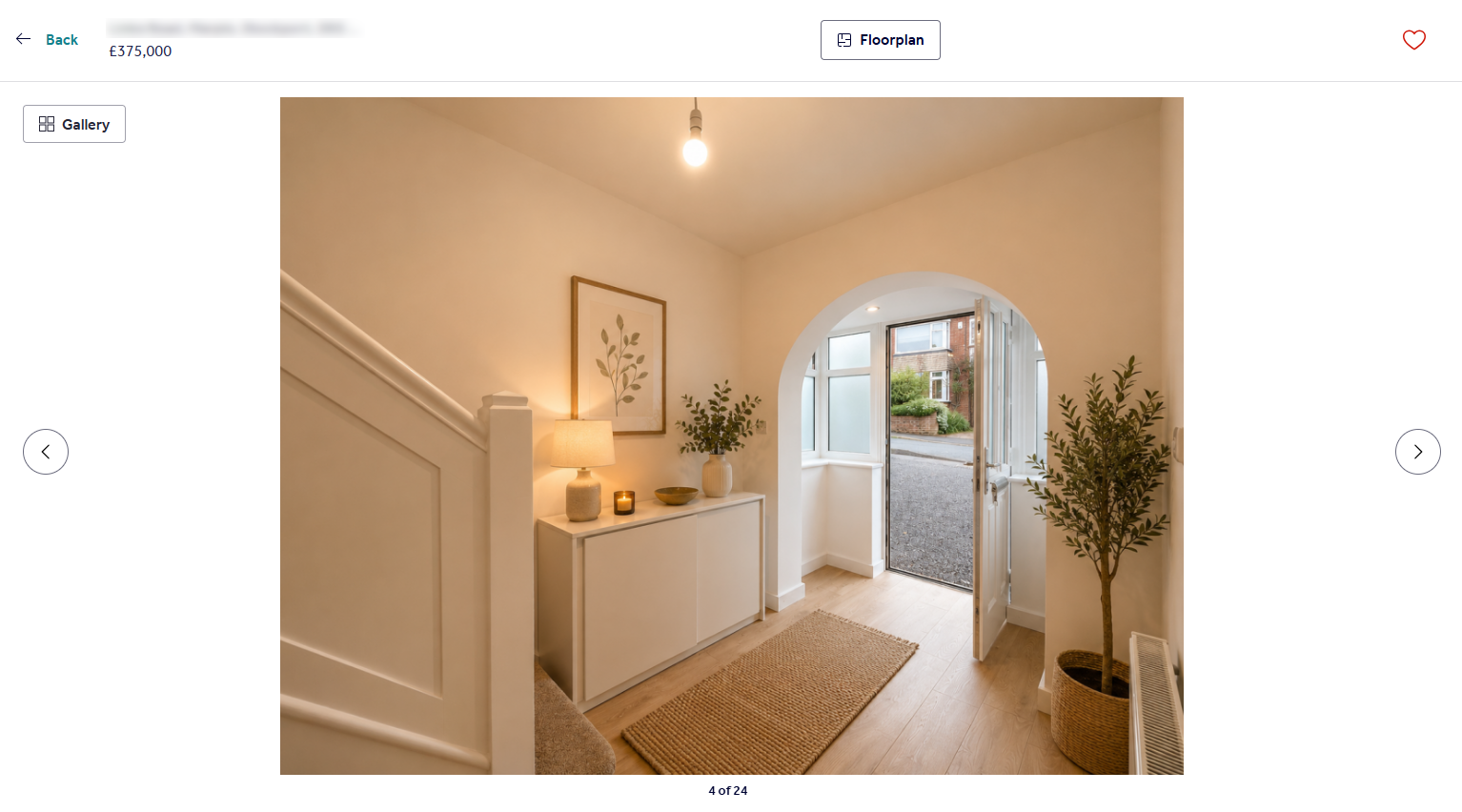
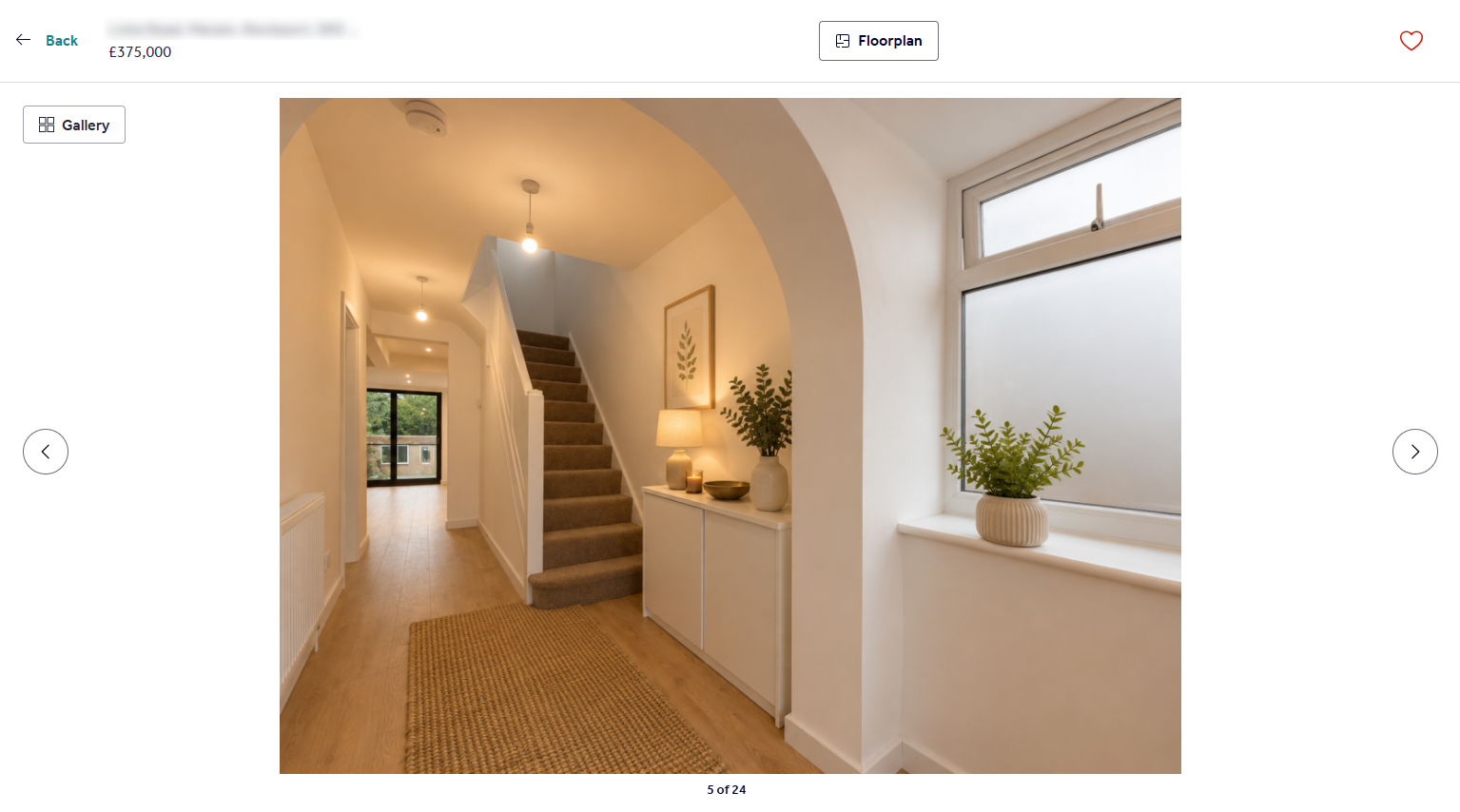
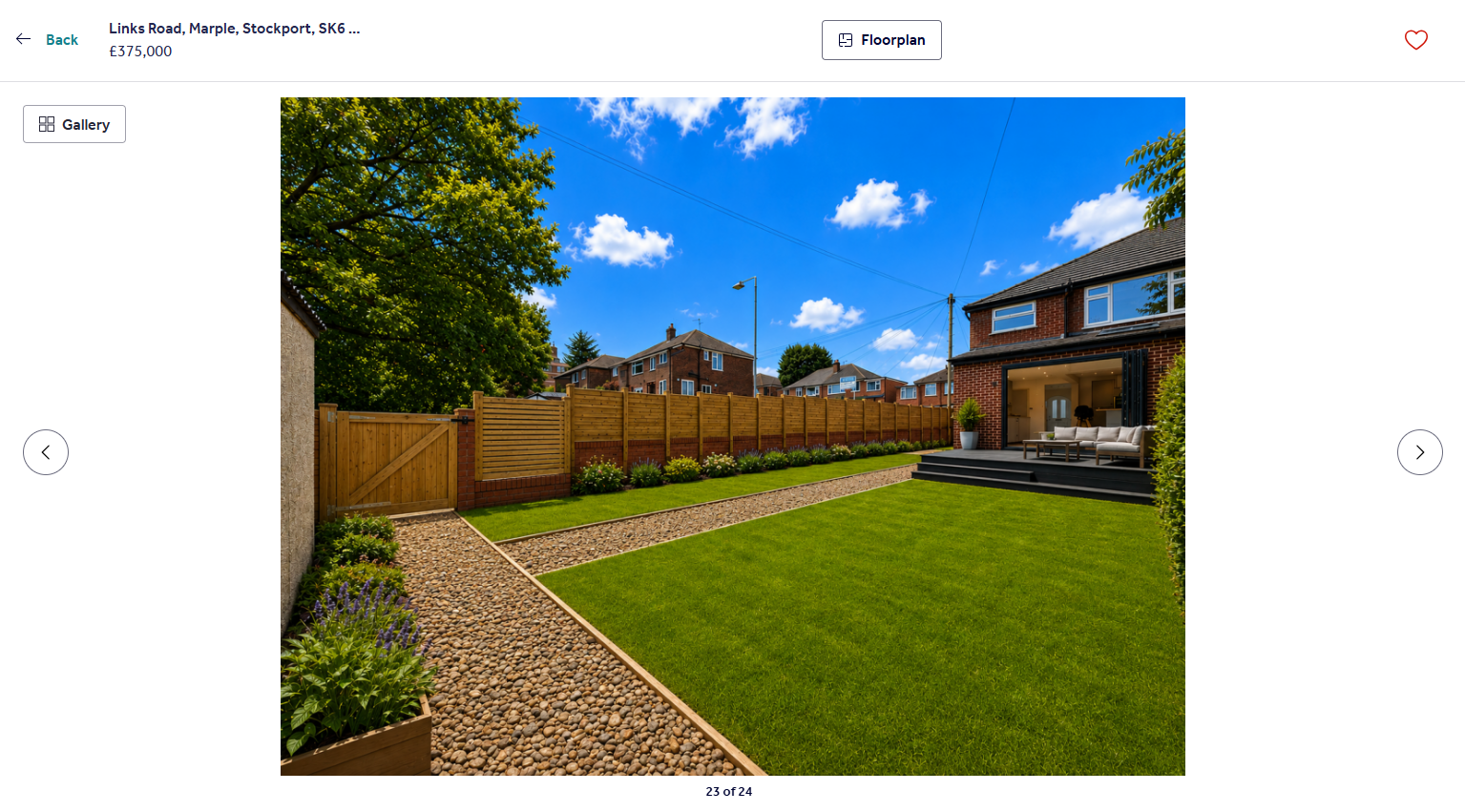
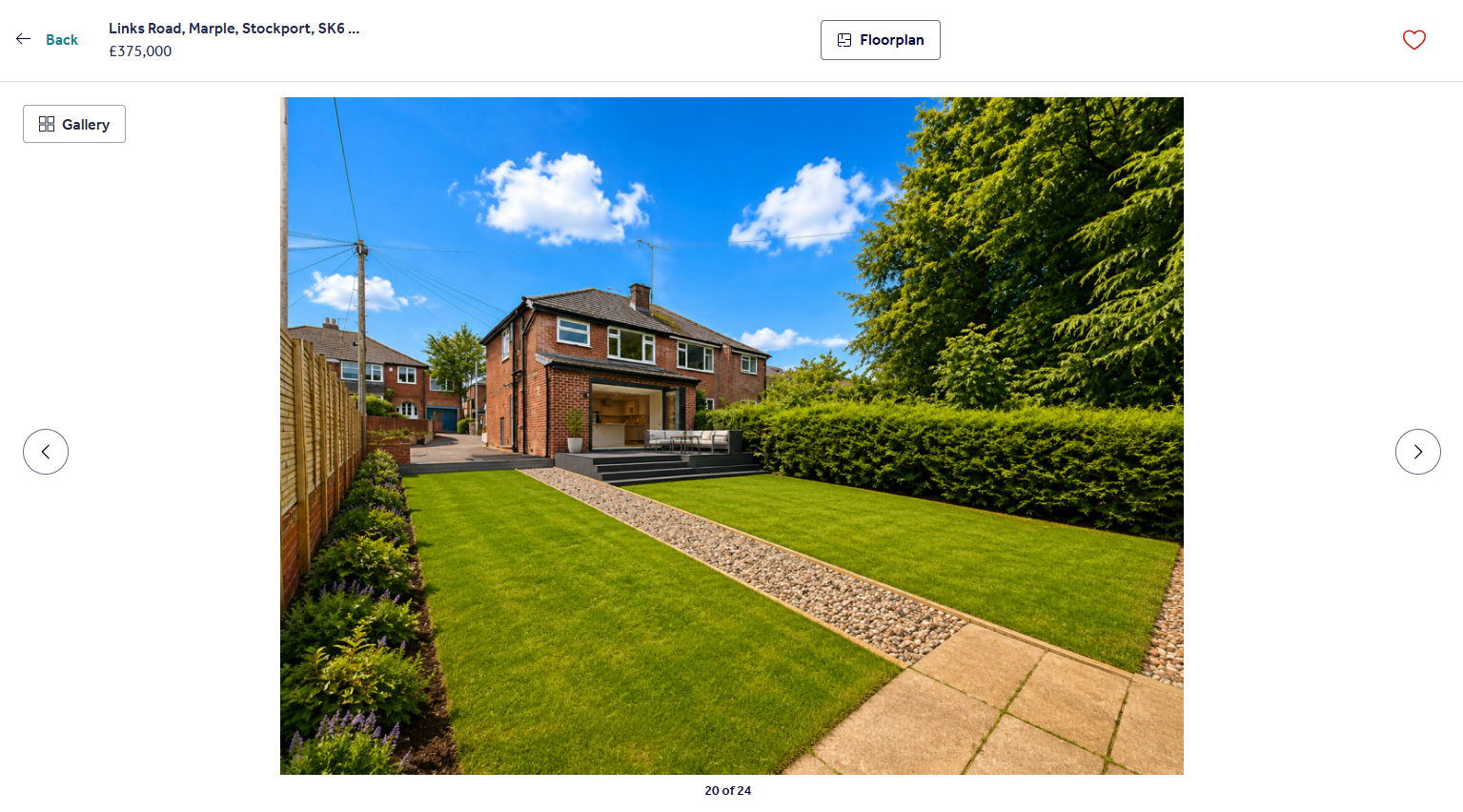
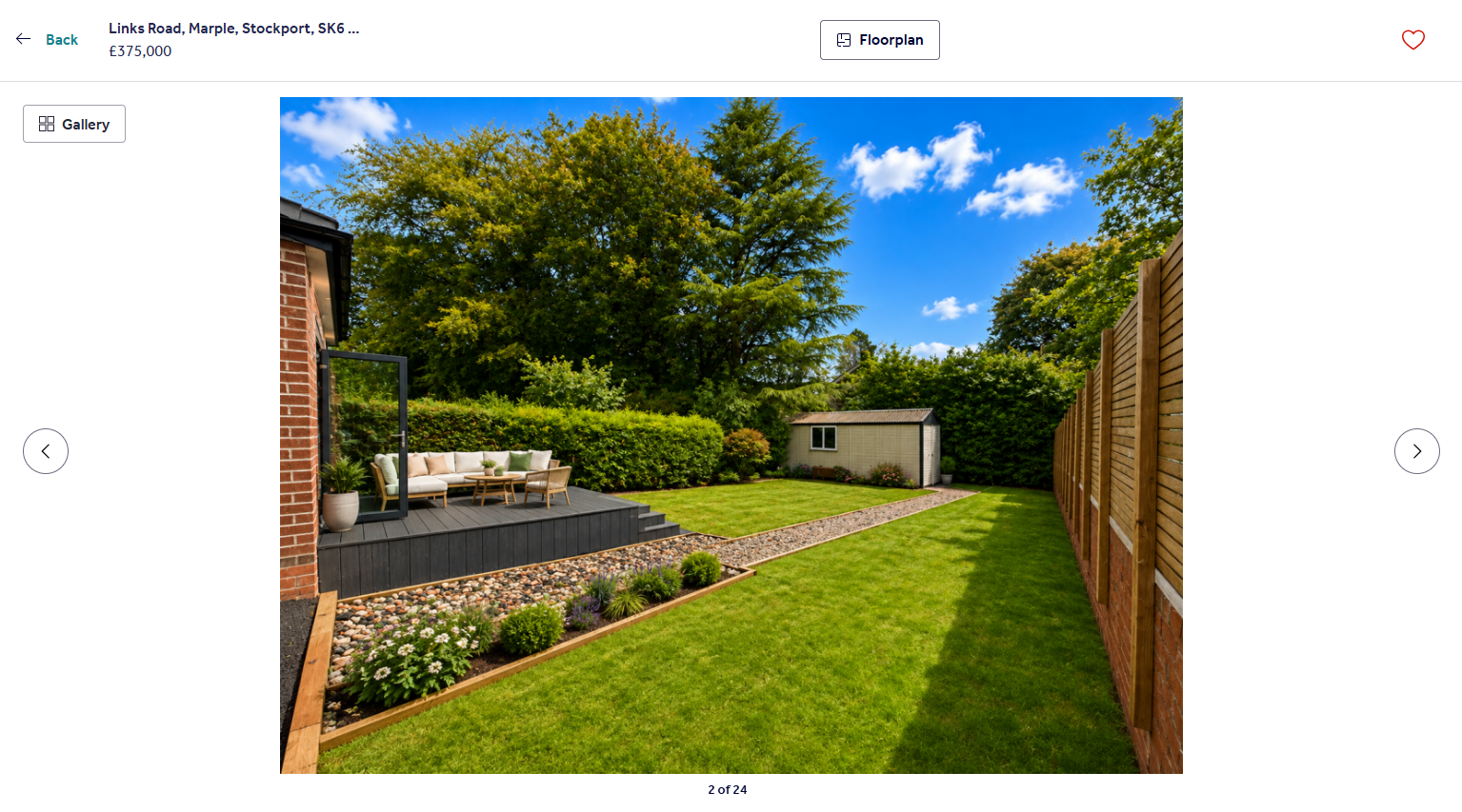
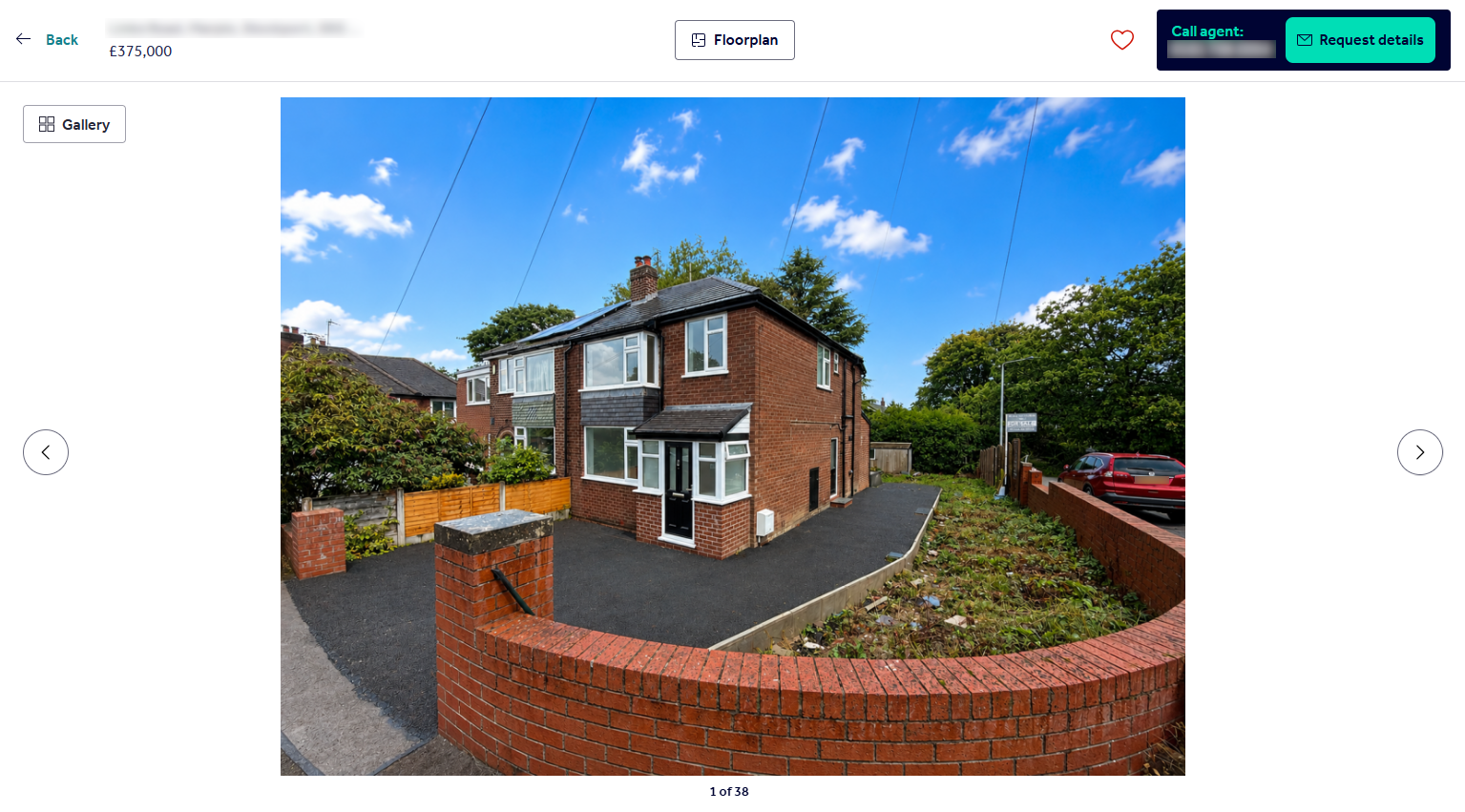
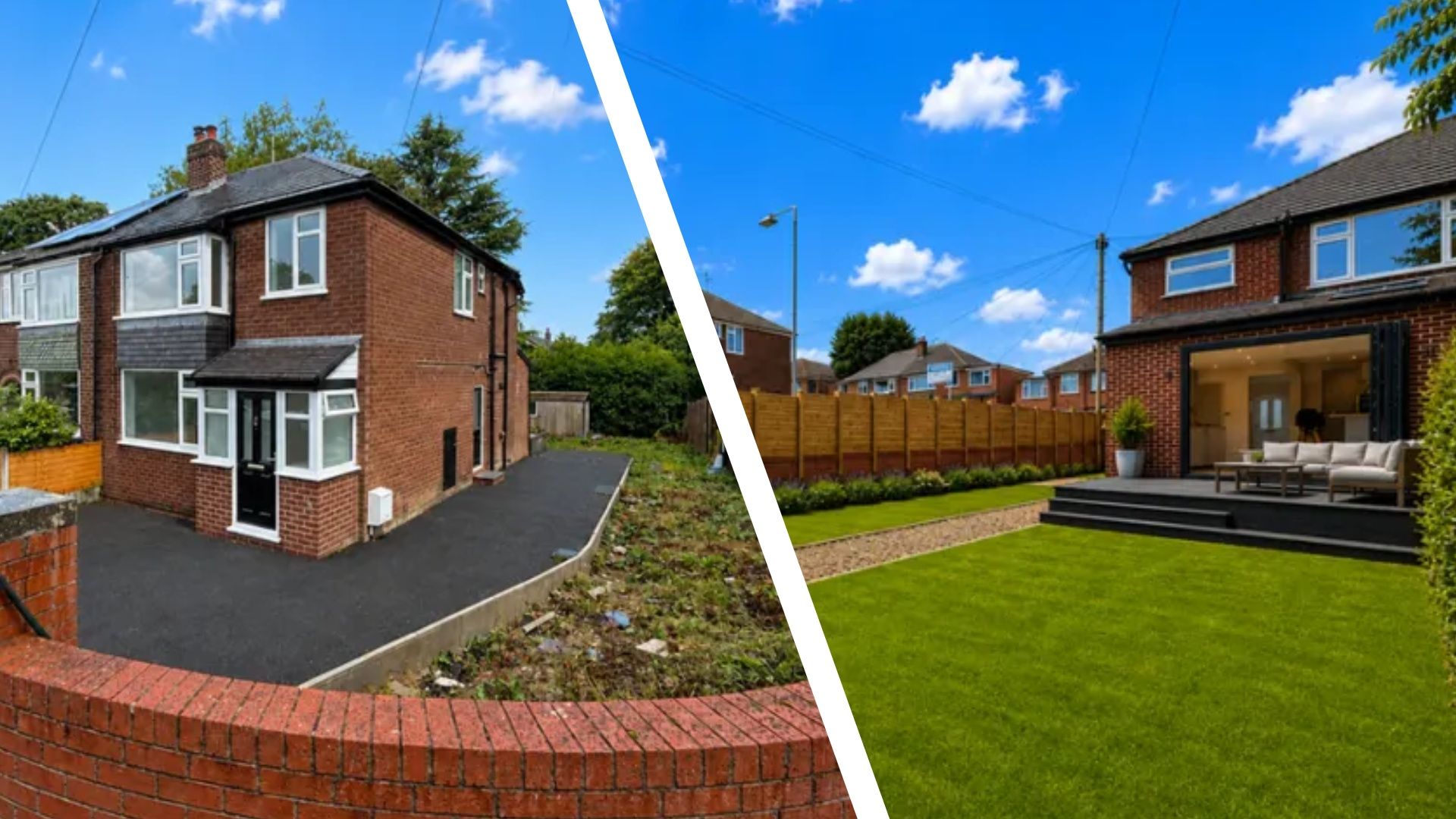
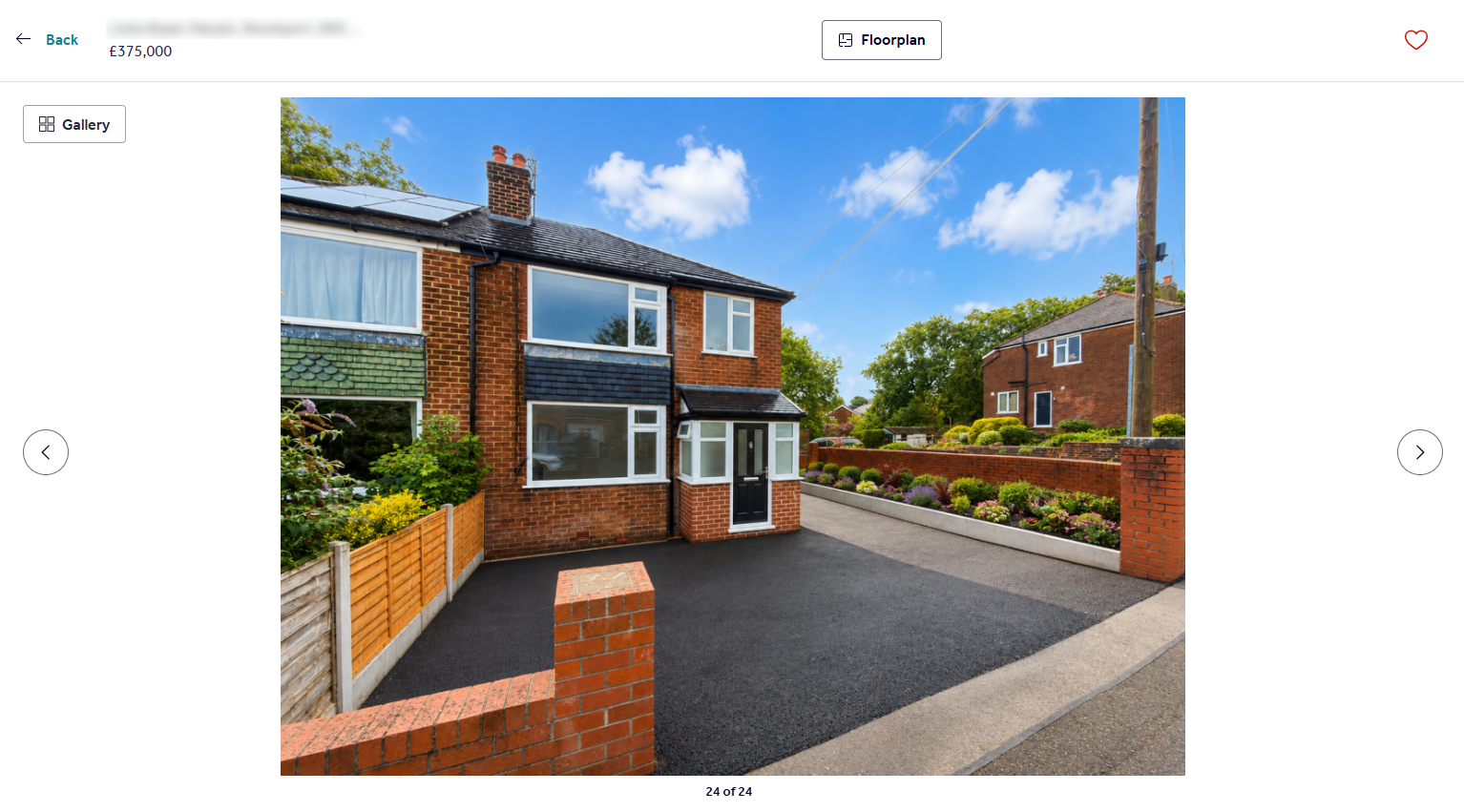
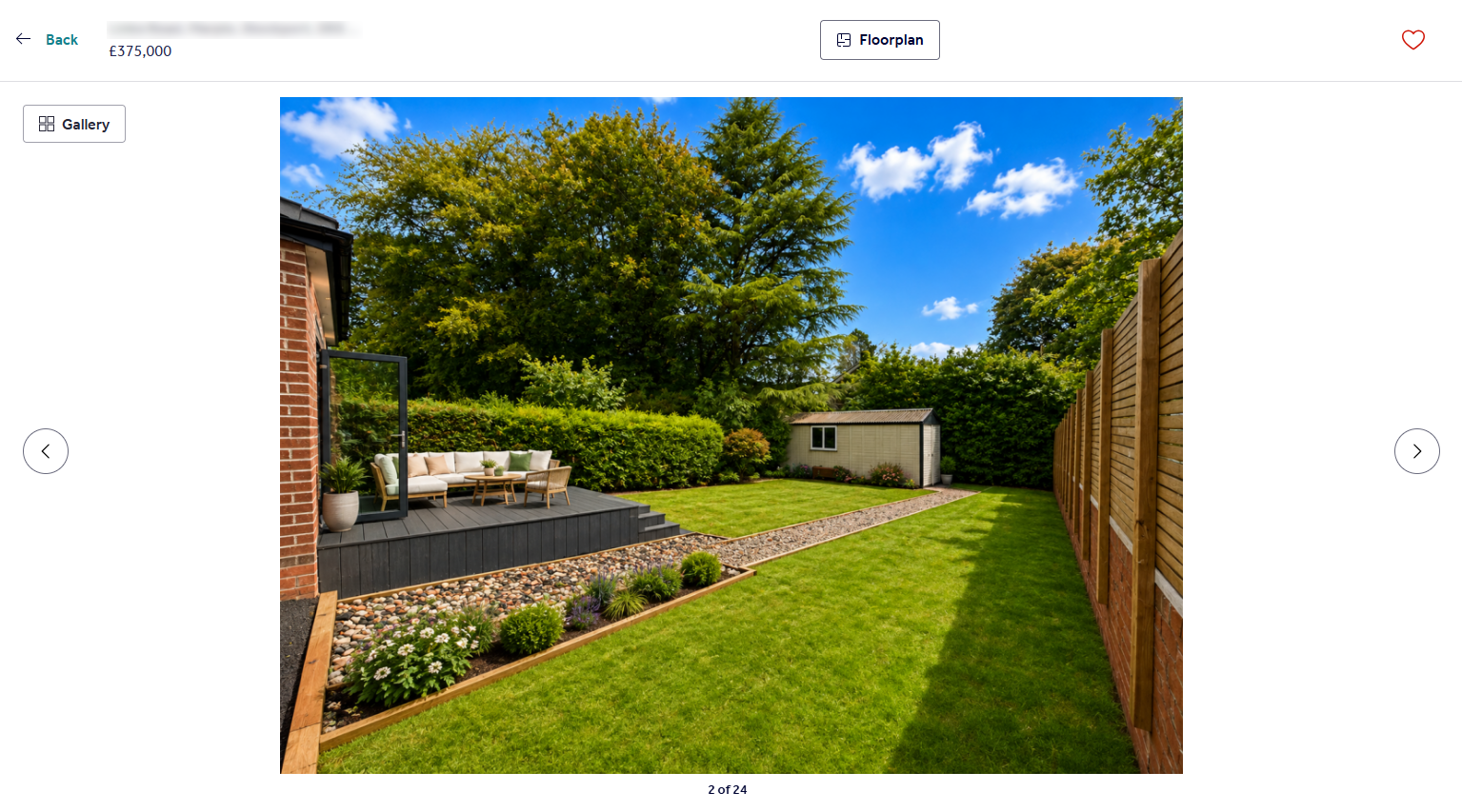
AI tools are increasingly capable, but they still leave clues. One widely shared listing illustrates the point. A front-drive shrubbery appears lush in one , yet plants shift position or vanish entirely when viewed from different angles. The rear garden, visible from the front of the house, shows a shed and a patchy lawn with a messy gravel path. Flip to another and the same lawn is thriving, the path is neat, the fence is repaired and the garden has grown substantially.
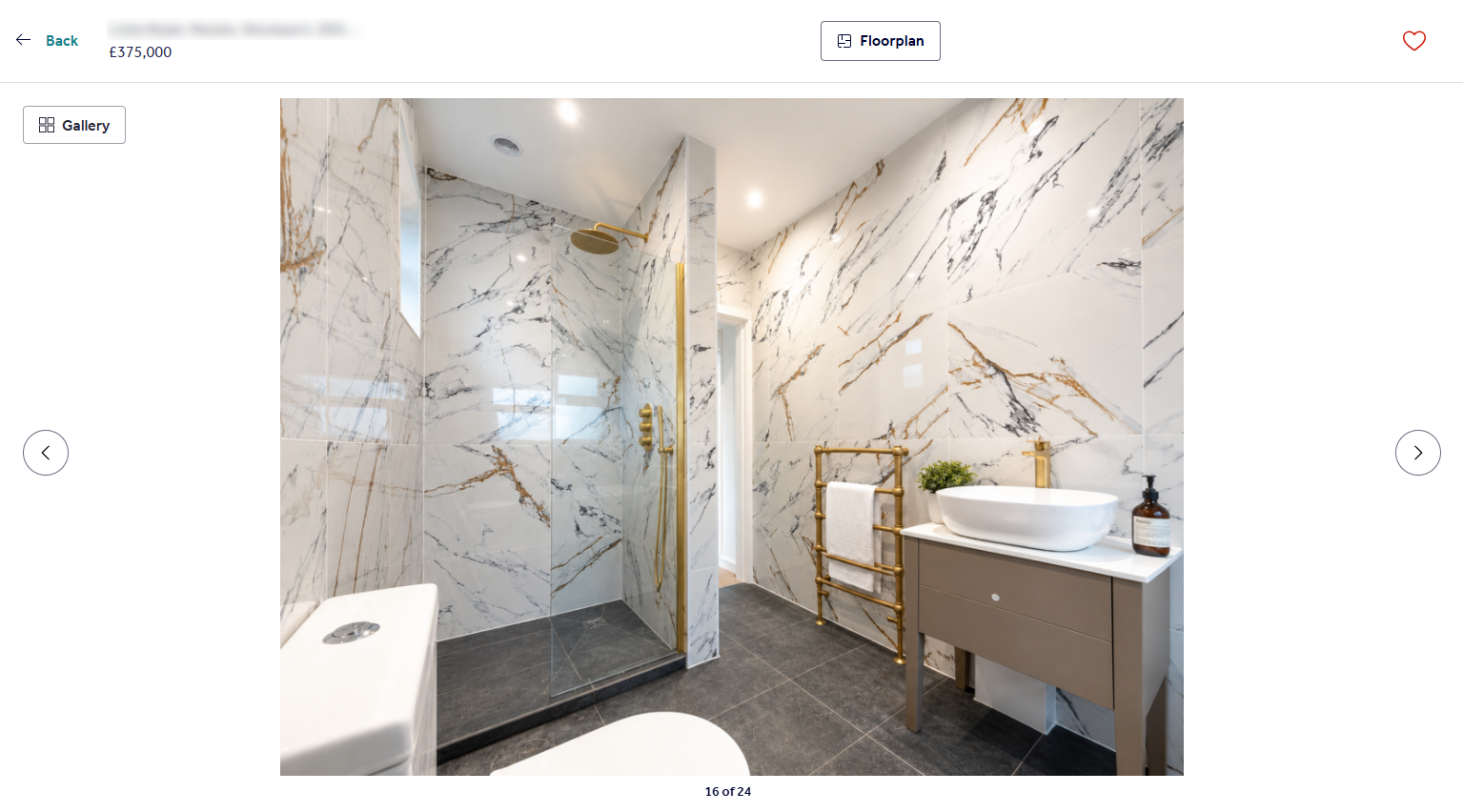
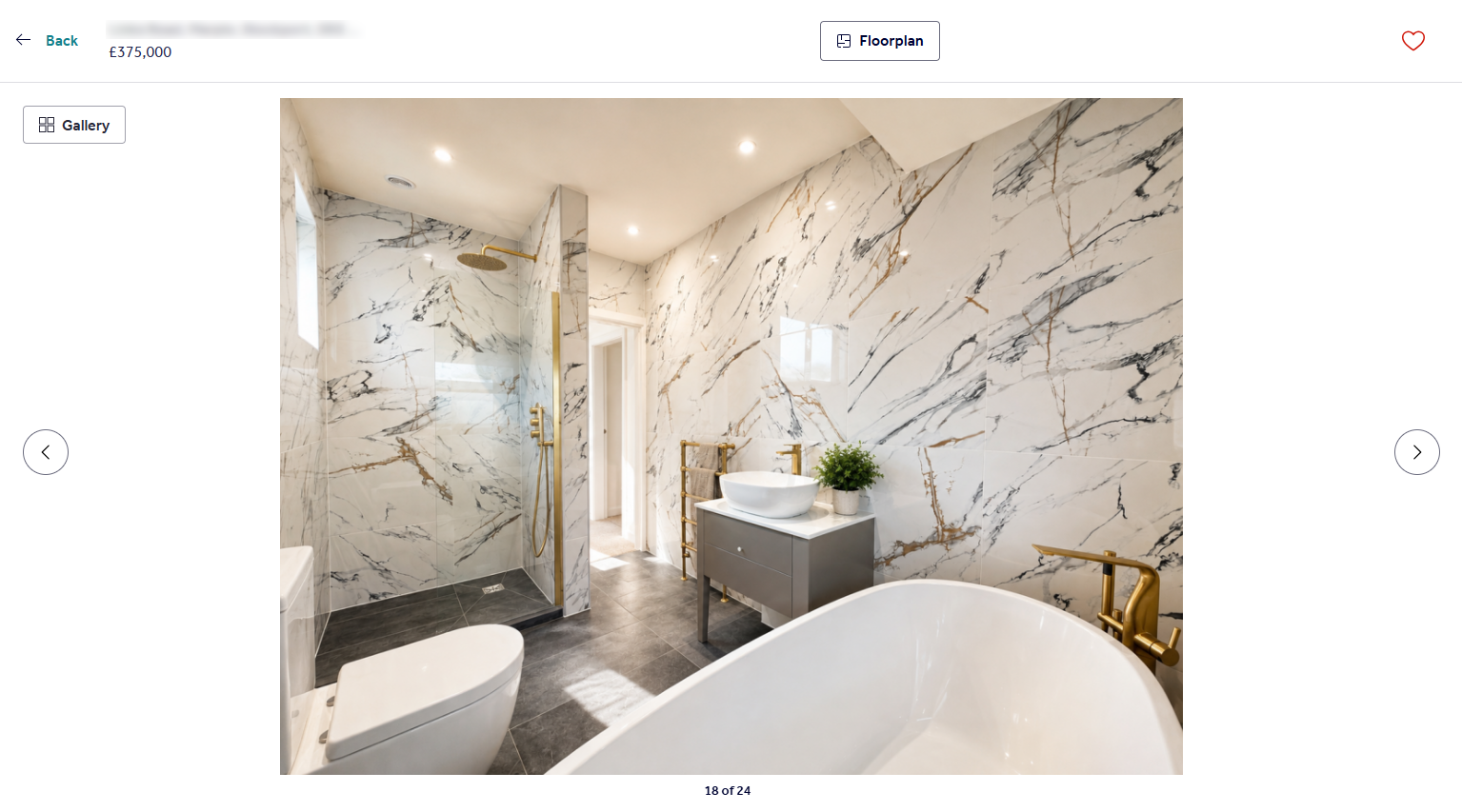
Inside, the inconsistencies continue. A frame above a side cabinet changes its artwork depending on the viewing angle. In the bathroom, towels switch colour and the towel rail seems uncertain whether it has five rails or six. The garden decking offers either three or four steps down to the lawn, and corner steps plus an extra gravel path can apparently be added or removed at will.
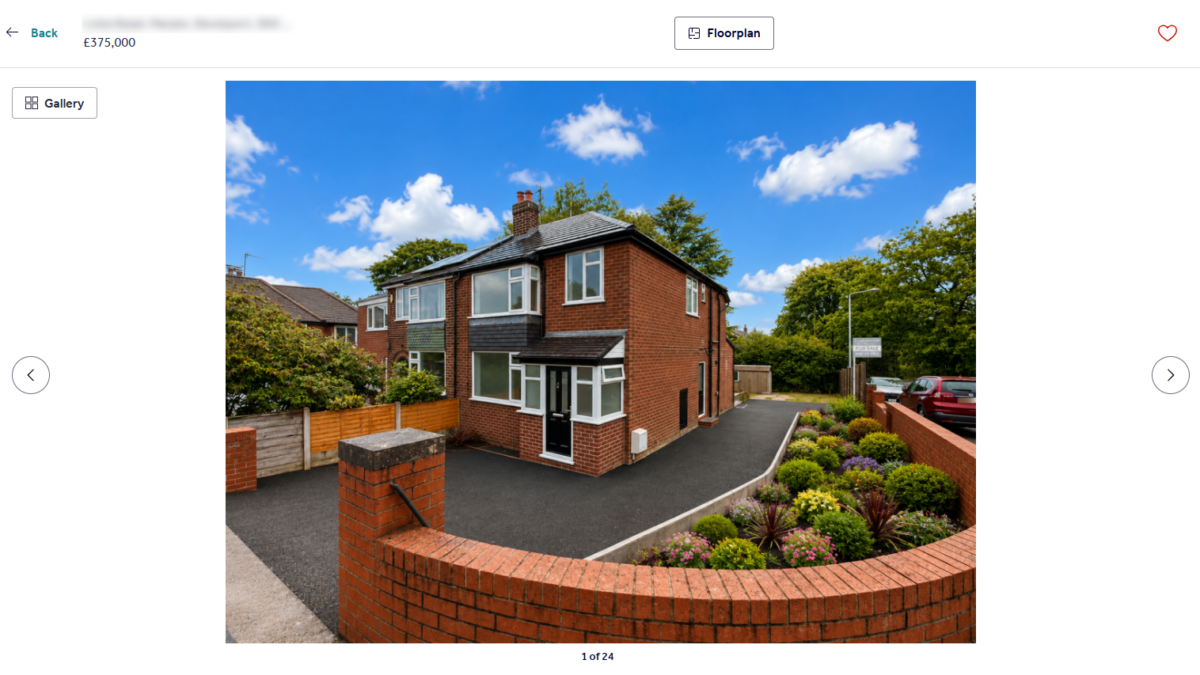
Even the attempt to find an original, unedited proved confounding. In one described as the original, a road to the right of the house that connects the cul-de-sac to the local town — a road shown on ordinance survey maps since at least 1975 — has disappeared, turning the street into a dead end. The ‘For Sale’ sign in both versions is written in an incomprehensible language. Which is genuine and which is enhanced becomes impossible to determine, leaving the viewer questioning everything.
Disclaimers Buried and Debated
Estate agents typically disclose when images have been digitally altered. In the case of the listing above, that disclosure is buried at the end of a 1,700-word property description that itself shows signs of AI involvement. The disclaimer states that some photographs have been digitally enhanced or virtually staged for illustrative purposes, and that virtual furnishings may have been added to demonstrate potential. It goes on to say that no alterations to the physical structure, layout or dimensions are intended, and that prospective purchasers should rely on their own inspection.
Such caveats are meant to protect sellers and agents, but they do little to soften the disappointment of arriving at a property that bears little resemblance to its listing. Reddit threads are filled with similar examples, each more extreme than the last. Some users argue that AI images can be useful to show a property’s potential, especially for homes that need work. Others contend that using AI to make a property look better than it is amounts to false advertisement.
The Real Cost of a Misleading
Property values are not set by listing photos. Buyers typically arrange multiple valuations to confirm a home is worth its asking price. But the housing market is already difficult, particularly for renters, and the ethical questions remain. People often travel long distances to view a property, only to find it looks nothing like the images they saw online. That wasted time and money is a real consequence of digital embellishment.
The debate over AI-enhanced property photos is unlikely to fade as the technology improves. For now, buyers are advised to scrutinise every , read the small print and, above all, visit in person before making any decisions. The gap between a listing and reality has never been wider — or harder to spot.