When weighing the Pixel 11 vs Galaxy S26, the answer isn’t a clean win for either side. Google’s latest flagships, revealed in August 2026, bring new AI tools and camera upgrades that make them credible rivals to Samsung’s Galaxy S26 lineup. But the decision hinges on what you value most: early Android features and a cleaner software experience, or raw power, battery endurance and deeper ecosystem integration.
Where Google’s Pixel pulls ahead
Pixel phones have long been the first stop for new Android features, and the Pixel 11 continues that tradition. Google’s quarterly Pixel Drops and seven years of OS updates give it an edge over most manufacturers, including Samsung’s Galaxy A series, which offers six years of OS updates. The software experience is also leaner: there’s no Bixby assistant to disable and no duplicate Samsung apps to uninstall.
The camera story is more nuanced than a spec sheet suggests. The Pixel 11 Pro XL now rivals the Galaxy S26 Ultra in hardware, and its quicker shutter response, near-zero lag and natural color processing appeal to anyone who prefers true-to-life photos over Samsung’s vivid look. Google also added Camera Looks filters and a built-in scrolling teleprompter, tools that creators may find genuinely useful.
On the AI front, Gemini can handle tasks like phone calls or hailing an Uber, while Magic Capture records video and selects the best stills from it. These features won’t matter to everyone, but they show where Google is investing.
Where Samsung’s Galaxy S26 holds firm
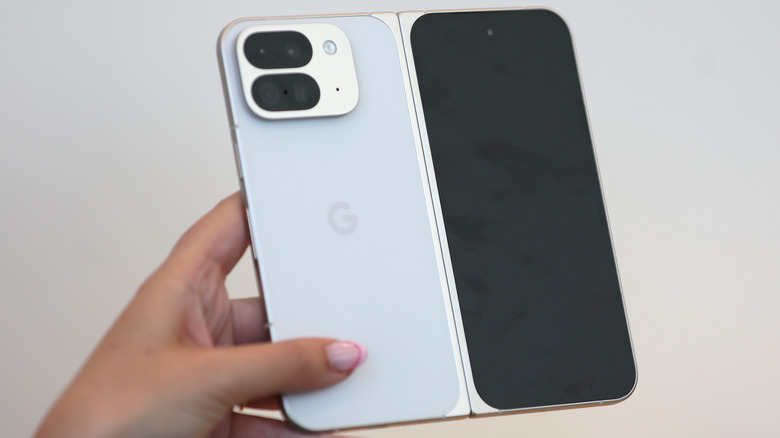
Samsung still leads on the hardware fundamentals. The Galaxy S26 Ultra outlasts the Pixel 11 Pro XL in battery life, charges faster and offers better endurance overall. Under the hood, the Snapdragon 8 Elite Gen 5 in the S26 lineup outperforms the Pixel 11’s Tensor G6 in high-demand games and raw benchmarks, even though the Tensor chip handles everyday tasks efficiently.
That power advantage extends to video. The Galaxy S26 Ultra can shoot 8K at 30 fps and 4K at 120 fps, while the Pixel 11 Pro tops out at 4K at 60 fps. The Pixel can process 8K footage only through Video Boost, which relies on cloud computing.
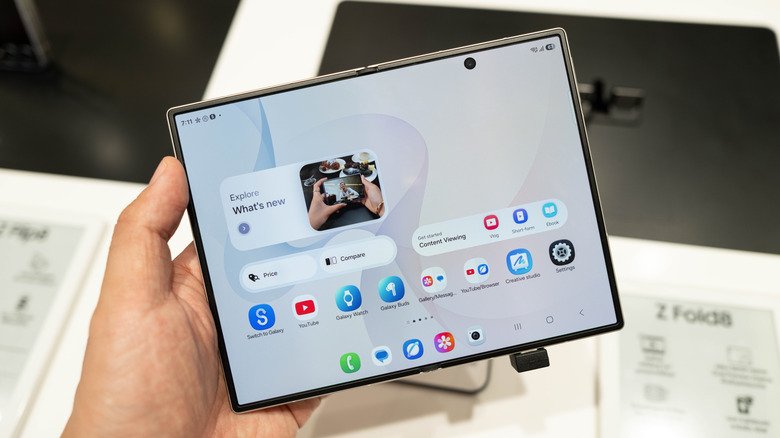
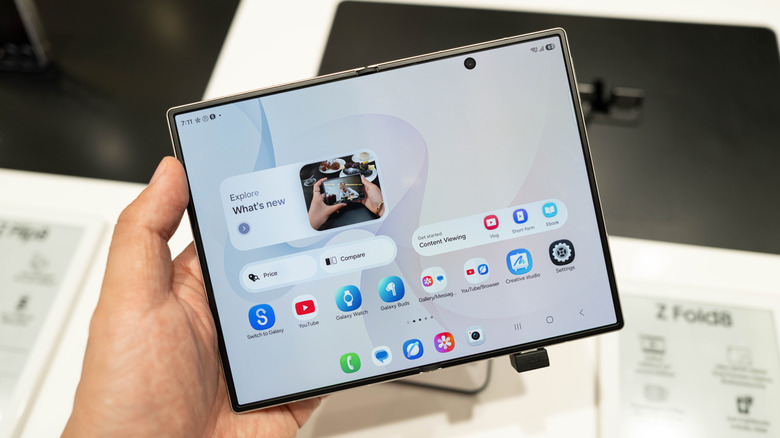
Samsung also offers form factors Google doesn’t match. The Galaxy Z Fold 8’s passport-style design is more exciting than the Pixel 11 Fold, according to the source, and there’s no Google equivalent to the Galaxy Z Flip or a phone with stylus support. DeX, Samsung’s desktop experience, also remains far more mature than Android’s fledgling desktop mode.
Then there’s One UI. Features like Modes and Routines let users build “If This Then That” automations for driving, bedtime or home control. Samsung’s update cadence is frequent, even if it still trails Google’s first-in-line status.
The ecosystem trap
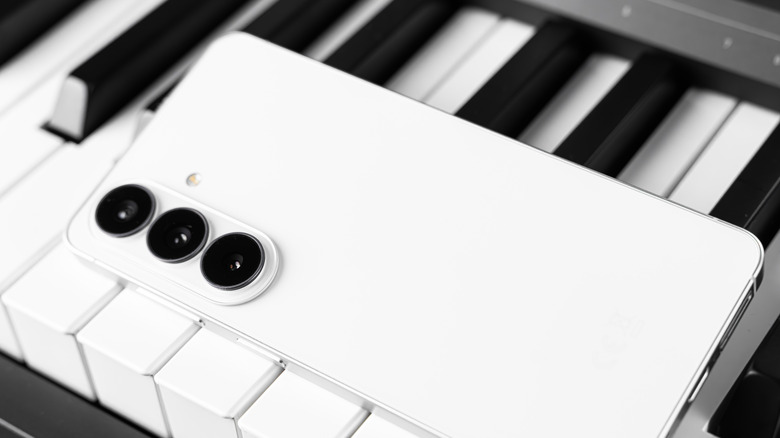
If you already own a Galaxy Watch 9, switching to a Pixel isn’t just about the phone. The Samsung Health Monitor app is exclusive to Samsung devices and enables blood pressure and ECG monitoring on the watch. Leaving that ecosystem means losing those capabilities.
Who should actually switch?
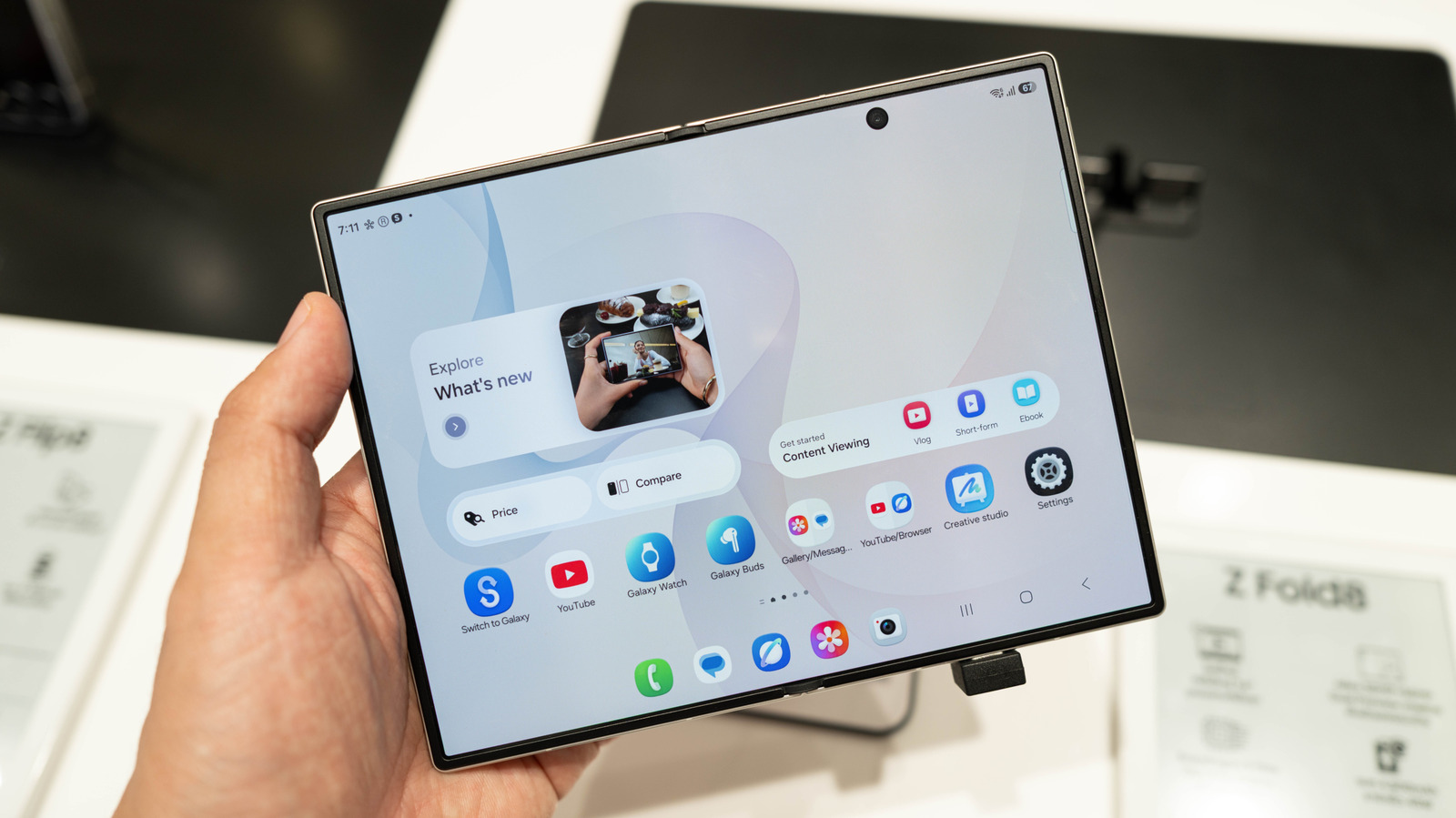
The Pixel 11 makes the most sense if you’re upgrading from an older Galaxy phone and want faster updates, a cleaner software load and Google’s AI features first. But if you already own a recent Samsung flagship like the Galaxy S26, the case for switching is weaker. Samsung’s latest phones compete favorably with Google’s best, and the Galaxy S26 Ultra’s battery, charging speed and video capabilities remain meaningful advantages.
Power users who game heavily, shoot high-frame-rate video or rely on DeX will likely prefer Samsung’s approach. Everyday users who value timely updates and a less cluttered interface may find the Pixel more satisfying. Neither phone is a bad choice — but the right one depends on which trade-offs you’re willing to live with.