Users typing certain political and drug-related phrases on an iPhone will notice that the keyboard does not offer its usual autocomplete suggestions or allow swipe-to-type input. This behavior stems from a hidden iPhone keyboard ‘gray list’ of prohibited terms, according to research reported by Reuters and verified by an independent cybersecurity engineer.
The list is believed to contain at least 100,000 words and phrases. Researcher Derek Kauffman discovered the inventory, which blocks iOS from predicting or swipe-typing entries such as “sleepy Joe,” “dictator Trump,” and “Tibetan independence.” Other examples reported by The Guardian include “NSA spies,” “question your sexuality,” and “Australia is a very bad place.” References to drug use also appear to be excluded from autocomplete and swipe typing.
What the List Does—and Doesn't Do
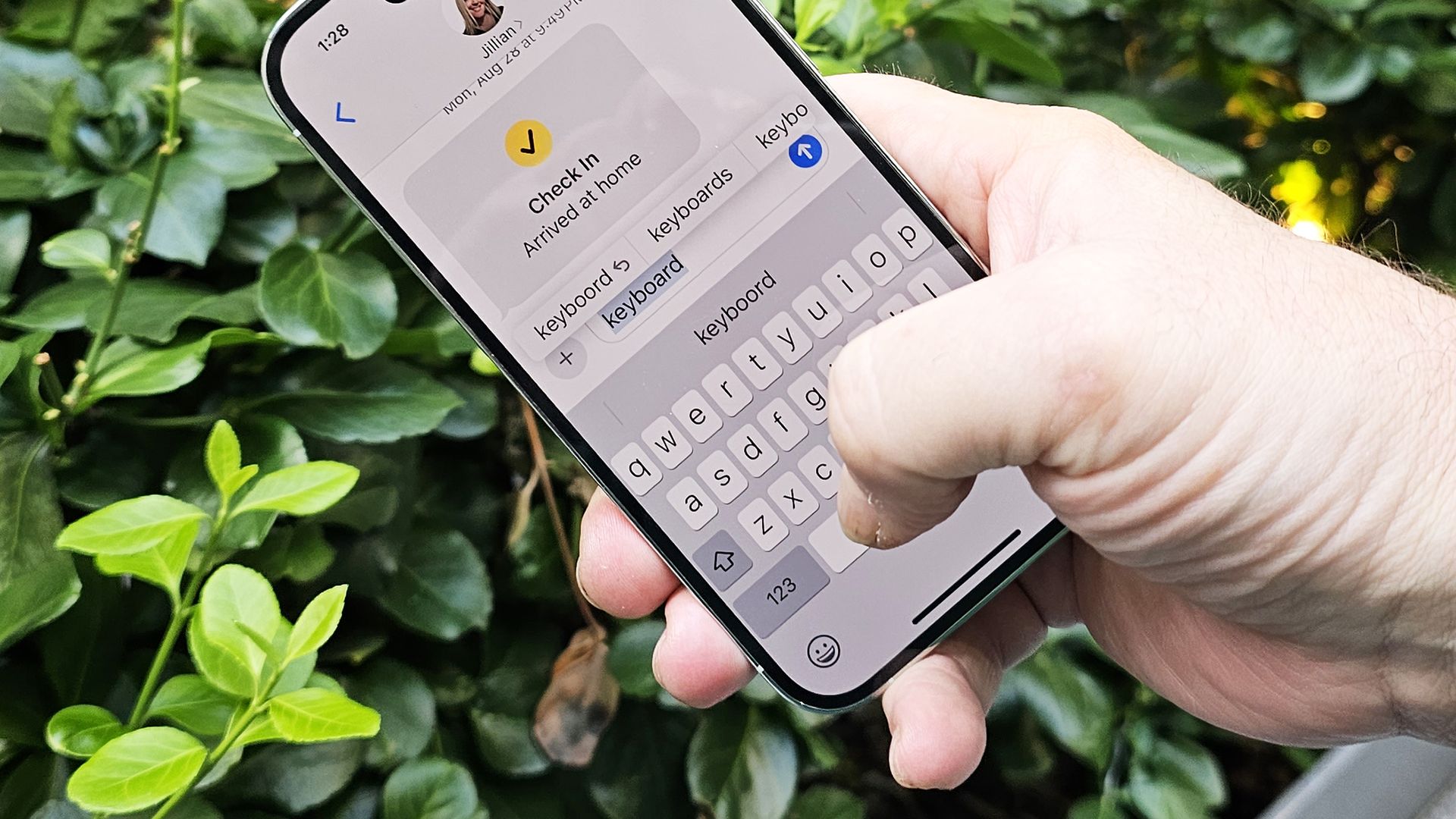
The restriction is limited to the keyboard’s prediction and swipe-to-type features. Users can still manually type any of these terms and send them in messages or other text fields. The gray list simply prevents iOS from suggesting the phrases or completing them through a swipe gesture, unlike the treatment of most other words and phrases.
Apple did not comment directly on the list in an email to Reuters, but the company acknowledged that the iPhone keyboard is designed to avoid offering suggestions that could be considered inappropriate or offensive. The company has not publicly detailed the criteria used to compile the list or the full set of terms it contains.
Transparency Concerns from Researchers and Advocates
Kauffman and others are calling for more openness from Apple about the list’s purpose and contents. David Greene of the Electronic Frontier Foundation told Reuters that while he understands the rationale behind a gray list for the iOS keyboard, users should be well aware of its existence and have some ability to customize it.
Kauffman described the mechanism as a very light-touch form of censorship. But he noted that at Apple’s scale, even a light touch can have a significant impact. The lack of transparency leaves users unable to know which terms are affected or why.
The discovery follows earlier scrutiny of Apple’s keyboard behavior. Last year, some users reported that iPhones were changing “Trump” to “racist” during dictation. The exact cause was not clear, but such issues can arise with AI-driven automation.
Why It Matters
Autocomplete and swipe typing are central to how many people interact with their phones. When certain phrases are silently excluded, it can shape what users see and type without their knowledge. For researchers and digital rights advocates, the concern is not only the content of the list but also the absence of user control and disclosure.
Apple has not indicated whether it will publish the list or offer customization options. For now, the gray list remains an invisible filter operating within the iPhone keyboard, affecting a wide range of terms while remaining largely out of sight.