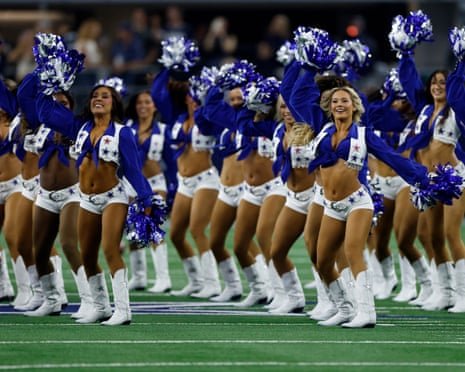

The Dallas Cowboys cheerleaders union has become a reality. On Friday, 23 October 2026, the Cowboys organization voluntarily recognized the Dallas Cowboys Cheerleaders Association (DCCA) as the bargaining representative for the squad, according to a DCCA statement. The recognition followed what the association described as meaningful discussion between the two sides, and the parties are now set to begin collective bargaining.
A Voluntary Path to Recognition
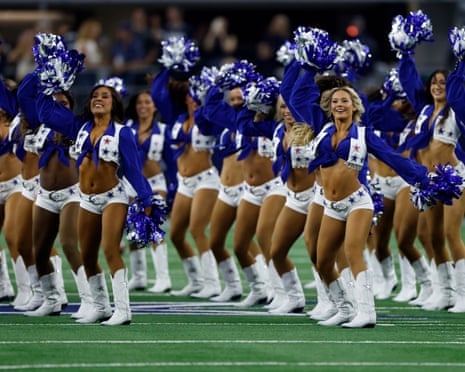
The Cowboys’ decision came without an NLRB election, making the recognition voluntary rather than the product of a formal vote. In its statement, the DCCA said cheerleaders are esteemed and respected for their talent and dedication and that the squad remains one of the most sought-after opportunities for dancers worldwide. The terms of the coming negotiations have not been set, and no date for bargaining was provided.
Years of Pushing for Fair Pay
The union arrives after a long period of advocacy over compensation. Cheerleaders have argued for fair pay and better wages for years, and the squad’s history stretches back to 1961, one year after the Cowboys played their inaugural NFL season. In 2018, former cheerleader Erica Wilkins filed a federal fair wage lawsuit against the Cowboys. Wilkins claimed she averaged $15,000 per season and said she earned less than the team’s male mascot.
The economic backdrop is striking: Forbes values the Cowboys at $17bn, making them the NFL’s most valuable franchise. The gap between that valuation and the pay claims has been central to the public discussion of the squad’s compensation.
Netflix Spotlight and a 400% Raise
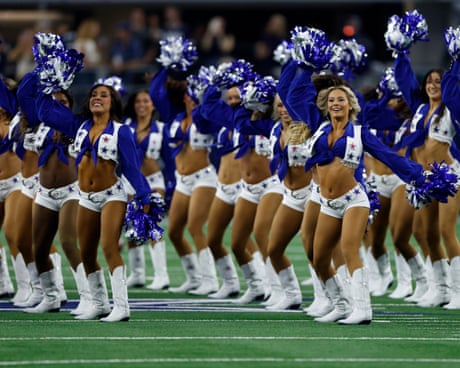
Public attention intensified with the Netflix series America’s Sweethearts: Dallas Cowboys Cheerleaders, whose third season was released in June 2026. The series depicts squad members, many of whom hold full-time jobs, and it highlighted the years of fighting for fair pay. Its second season followed contract negotiations for the 36-member team, a process that included threats of a walkout. Those talks produced a 400% pay raise, with the hourly rate for some members rising from $15 to $75 for the 2024 season.
Even so, one squad member told the New York Times that the new contract did not provide health insurance, leaving a notable gap as the union prepares to bargain.
An Earlier NFL Precedent
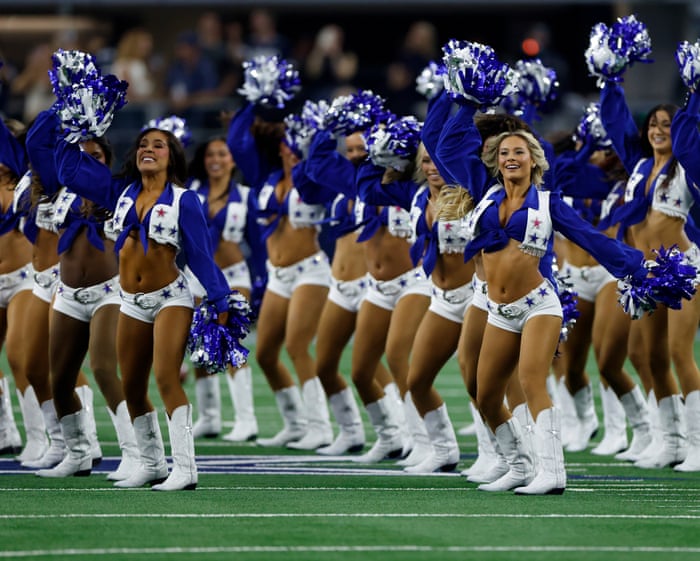
Unionization among NFL cheerleading squads is not entirely without precedent. In 1995, the NLRB ruled that Buffalo Bills cheerleaders could unionize, and the Buffalo Jills joined the NFL Cheerleaders Association. That union proved short-lived, and the Jills squad disbanded in 2014.
For the Cowboys cheerleaders, the immediate change is structural: they now have a recognized union and a formal route to negotiations. Collective bargaining is the next step, and the scope of those talks—including whether health insurance will be addressed—remains to be determined.