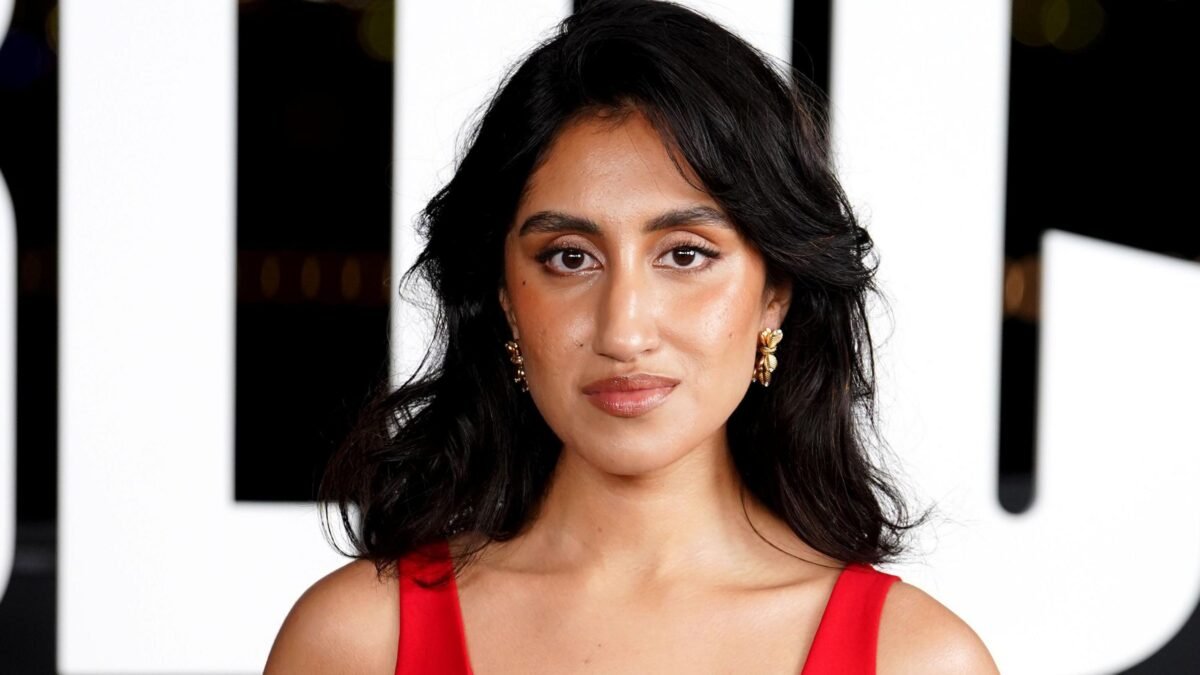
Ambika Mod has never been shy about the hurdles she faces. The 31-year-old actress, who broke through as the overwhelmed junior doctor Shruti in the BBC drama This Is Going To Hurt and later starred opposite Leo Woodall in Netflix’s adaptation of One Day, says the glass ceiling for South Asian actors is not static—it keeps moving upward.
Speaking to BBC Newsbeat, Mod described what she sees as a persistent problem in the entertainment industry: systemic racism that makes it especially difficult for South Asian performers to advance. “I think it is really hard for South Asian actors to really push through,” she said, adding that the barrier seems to rise higher and higher.
A Career Built on Complex Characters

As the daughter of Indian immigrants, Mod has spoken before about lacking the same privileges some of her peers enjoy. Fans have pointed out that her One Day co-star Leo Woodall has since landed roles in major films, including Bridget Jones: Mad About the Boy and an A24 biopic about Anthony Bourdain, while her own post-One Day slate has drawn questions.
Mod’s response is measured. She says a central principle of her work is to shift how South Asian women are perceived on screen and the kinds of characters they are allowed to play. She has been fortunate, she notes, to take on layered, substantial roles from early in her career—and she has no intention of moving backward.
That means turning down parts she considers tokenistic or stereotypical. “I won’t engage” with such roles, she said, emphasizing that she wants to protect the narrative progress she has already helped build.
Industry Data Points to Slow Progress

Her concerns are echoed by broader industry findings. A report from the Creative Diversity Network indicated that representation of minority ethnic groups both on and off screen dipped slightly last year, following several years of gains. Separate research from the media watchdog Ofcom found that people from minority ethnic groups make up only 11% of senior management roles across the UK broadcasting industry, with under-representation also persisting in creative, production and on-screen positions.
Mod says she is unsure whether on-screen representation is genuinely changing, but she remains clear about her own boundaries.
From Junior Doctor to Ruthless Agent

Her latest role takes her in a different direction. Mod joins the second season of Black Doves, Netflix’s spy thriller, as Laila, a lawless agent within the covert organization. The character is introduced to assist Keira Knightley’s agent Helen on a mission as the stakes escalate for the group.
What drew Mod to the part was the chance to subvert espionage tropes—and to throw herself into extreme stunt sequences. She describes working with Knightley as a great experience, and the physical demands as the main attraction. Taking down a staggering number of men in every episode, she says, was simply fun.
The show’s dark humor also suits Mod, who often brings a dry wit to her performances. Her comedic roots trace back to her university years at Durham, where she was part of a sketch comedy group at around age 18. Though she hasn’t done stand-up in about five years, she would love to return to comedy and has plenty of stories to tell.
Looking Forward, Not Back

When choosing projects, Mod follows advice she once received from Dame Emma Thompson: there is no such thing as a career, only what you do next. That philosophy keeps her focused on the next challenge, the next interesting collaborator, and the next opportunity to have fun.
For now, that means balancing her commitment to meaningful representation with a willingness to take risks—whether that means playing a ruthless assassin or speaking plainly about the barriers that remain.