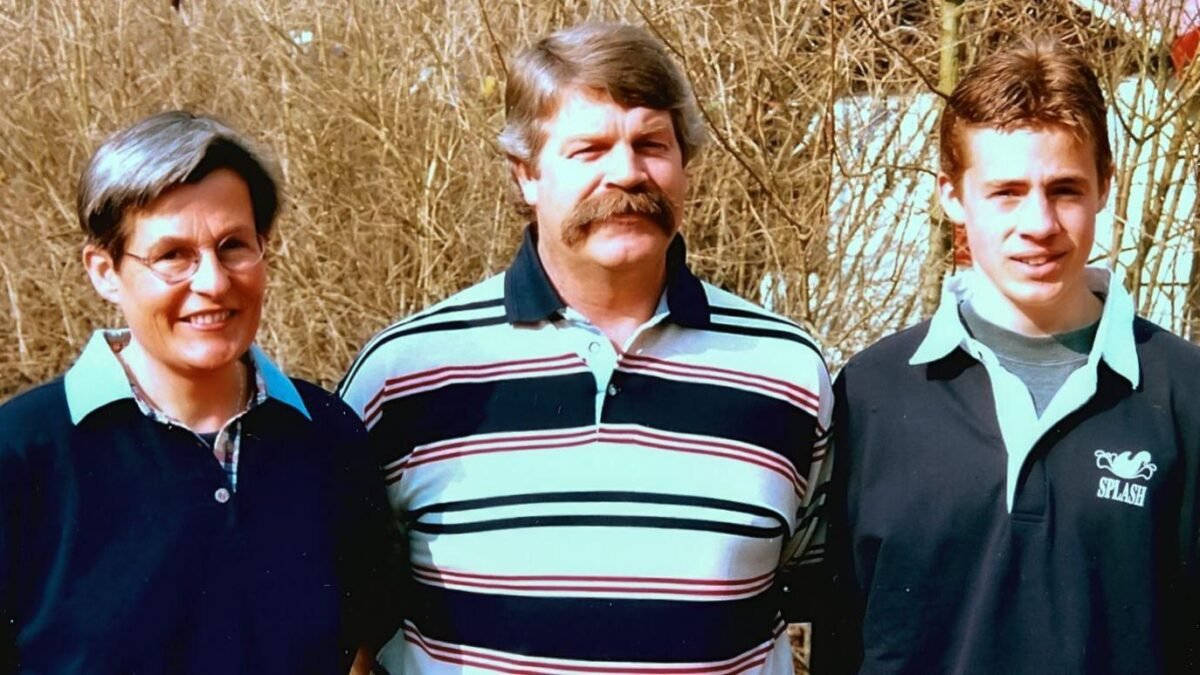
In June 2024, Bas drove his parents, Jan and Els, to a hospice in the north of the Netherlands for an appointment that would end both their lives. The couple, in their 70s, had chosen duo-euthanasia in the Netherlands, a legal and rare practice that is becoming more common. For Bas, their only child, the day marked the culmination of months of conflicted support and the beginning of a grief he would face alone.
A Life on the Water

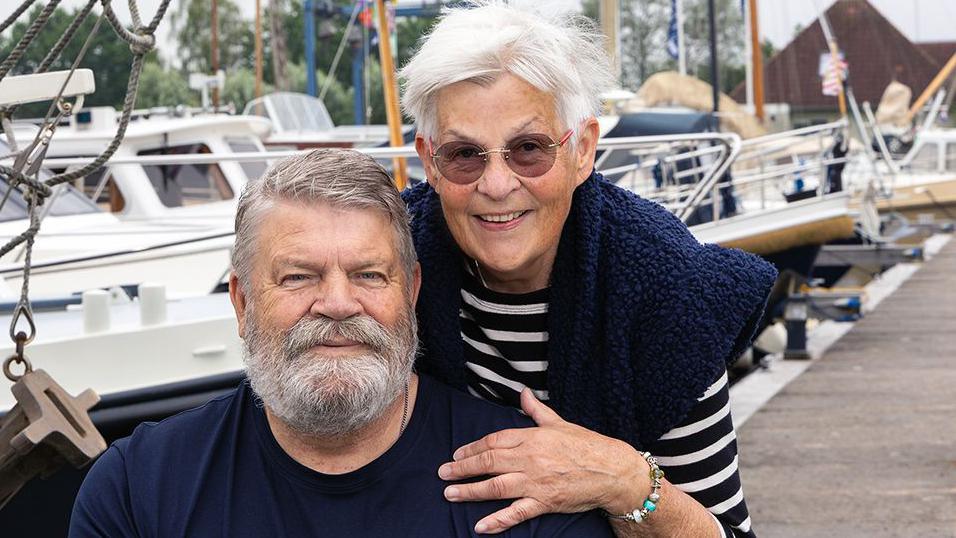
Jan and Els had spent most of their married life on water, but as they aged, a houseboat became impractical. They moved into a campervan, which was parked at a marina near yachts and dinghies when Bas arrived early that morning. Three days before the appointment, they gave an interview in that campervan. Jan was living with continual pain from years of hauling cargo on inland waterways, and Els had been diagnosed with dementia. Their story drew attention worldwide.
The Final Drive

Bas had planned a scenic route to the hospice, through Friesland’s meadows and canals. His mother sat in the back, his father beside him. At first, they talked. Els seemed certain about their decision, but Jan grew emotional and asked Bas if they were doing the right thing. Bas was taken aback; he had expected his mother to have doubts. Els had always enjoyed life and had once said she would love to reach 80 or even 90. Jan, however, had been discussing euthanasia for more than a decade because of his pain. Bas reassured his father, and they continued in silence, listening to music and watching the landscape pass.
In the months leading up to the appointment, Bas had tried to persuade his parents to delay. He suggested waiting until winter or the following year. He believed their decision was right but did not want them to go. His father might have endured another few years, but Bas feared that if his mother waited, her Alzheimer’s would worsen, potentially leaving her unable to meet the legal criteria for euthanasia.
At the Hospice

At the hospice, Jan said goodbye to Bas’s car, expressing appreciation. Inside, family and friends came and went for two hours, reminiscing and playing music. At one point, Bas considered calling a halt, but he did not want to introduce uncertainty after supporting the process. He focused on keeping everyone calm and saying goodbye.
Just before 10:30am, doctors administered lethal medication. Jan and Els lay on hospital beds side by side. Bas had seen them hold hands only a few times in his life, but now they lay hand in hand. That closeness gave him a good feeling: they were truly doing this together. In the first half hour after they stopped breathing, Bas described the experience as factual—they were no longer alive. Then the reality set in, an unimaginable feeling.
A Profound Loneliness

Sorrow hit Bas hard, and he felt a deep loneliness. As an only child, he had no siblings to share memories with. When one parent dies, the other can help with grief, but Jan and Els were both gone. He said it felt as if his legs had been cut off. His grief was physical too; he felt sick for four or five weeks, and his body hurt. He would not recommend this path to others, calling it a hard conclusion. It may have been the best option for his parents, but losing them both at the same moment was very impactful.
The Decision and Its Context

In the Netherlands, people seeking euthanasia must demonstrate unbearable suffering and be assessed by doctors as having the capacity to decide. For dementia patients like Els, timing is complicated. Dr Rozemarijn van Bruchem, a geriatrician and ethicist at the Erasmus Medical Centre in Rotterdam, explained that patients worry about choosing the right moment: now might be too soon, but next month might be too late. They fear missing the window when they still qualify. Dr van Bruchem said this anxiety exists because euthanasia is legal, and permission for advanced dementia is rare.
In 2024, 9,958 people in the Netherlands died by euthanasia. Of those, 427 had dementia, and six had advanced dementia. That year, 108 people chose duo-euthanasia, comprising 54 pairs, according to the Regional Euthanasia Review Committees.
Els told the BBC in 2024 that she and Jan could not wait because her Alzheimer’s might progress. Jan was committed to dying with her. He acknowledged he might be going too soon but said he had lived his life and felt it was complete.
Everything Was Said

Jan and Els were aware of the burden their decisions placed on Bas. He attended all meetings with their separate doctors, and the family had open discussions. Many people have regrets after a loved one dies, especially about unspoken words. Bas did not. Two days before the appointment, on Saturday 1 June, he wrote them an eight-page letter and read it aloud in the campervan late that evening. It covered their lives together and thanked them for what they had done. His parents were deeply moved.
Jan and Els had rarely been demonstrative with their son. Bas said he felt their love through actions rather than words or hugs. His mother hugged more after her dementia, but his father never did—until that night. After the letter, Jan hugged Bas. Bas called it maybe one of the best moments. Everything was said.