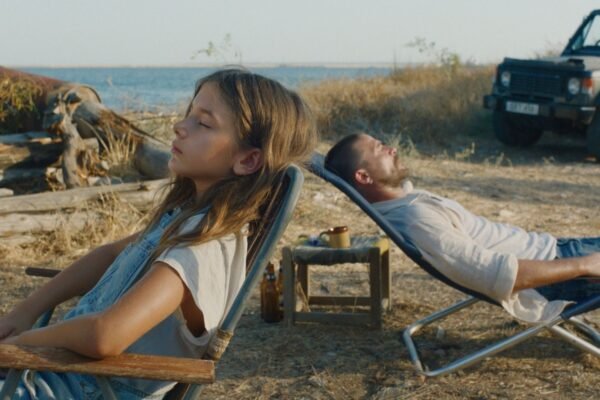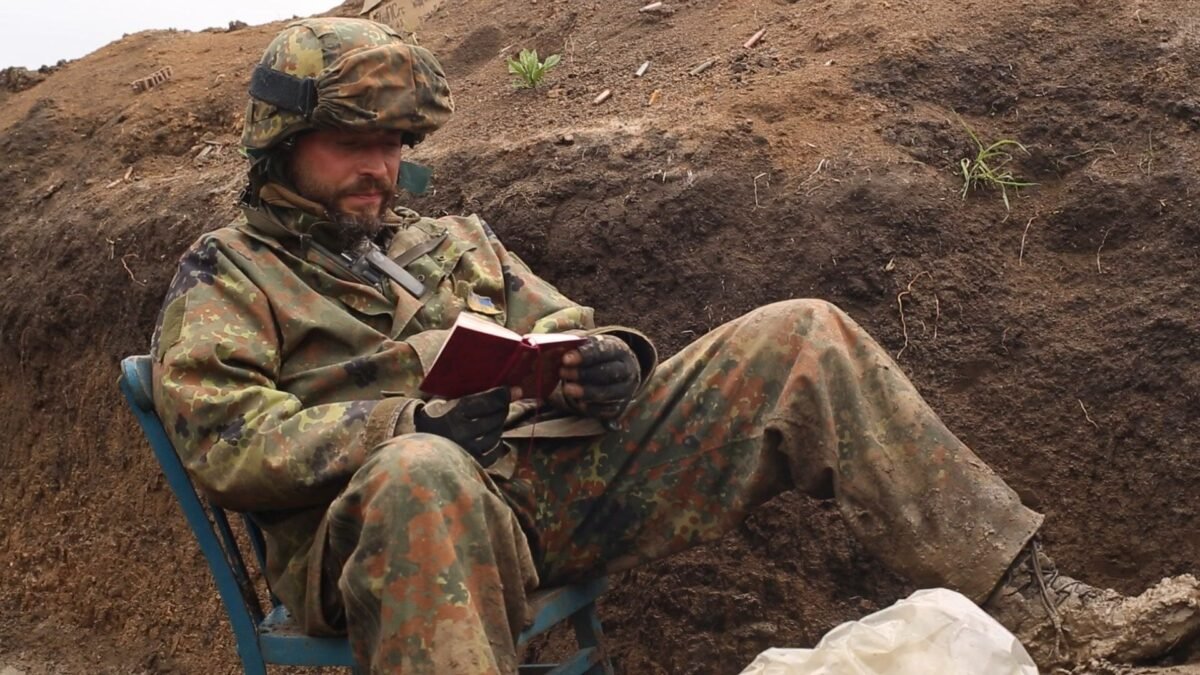
The PÖFF Standing With Ukraine showcase is back at Tallinn Black Nights Film Festival for its 30th anniversary edition, bringing nine Ukrainian features to Estonian audiences across several festival sections. The program has been a fixture since Russia’s full-scale invasion in 2022, when the festival began devoting screen space and industry attention to Ukrainian cinema.
Tiina Lokk, the festival’s founder and CEO, framed the commitment as ongoing rather than ceremonial. She said Ukraine is fighting for Europe and the democratic world, and that the festival will stand with the country for as long as necessary. Keeping Ukrainian culture visible, she added, matters not only to Ukraine but to every country.
A festival and an industry strand

The solidarity extends into Industry@Tallinn & Baltic Event, the festival’s industry arm. Its head, Marge Liiske, said the program has consistently reflected support for Ukraine since 2022, in both the main festival and the industry events. Triin Tramberg, PÖFF’s new artistic director, said the wider program backs countries defending their rights and democracy. She also pointed to geography: the Standing With Ukraine section resonates regionally and speaks to local communities, including Ukrainians living in Estonia who get to see their own cinema on a festival screen.
The nine films

The showcase is deliberately varied in form and tone, and several titles also appear in other Tallinn sections.
Music and resistance
Slava: Shooting With Music, directed by Jacqui Morris and David Morris, has its world premiere in Special Screenings. It follows Sviatoslav Vakarchuk, frontman of the rock band Okean Elzy, a former politician and activist with a PhD in theoretical physics. After more than 200 concerts for troops, he took the band on a world tour aimed at lifting the morale of Ukrainian refugees abroad and at cementing Ukrainian culture internationally. Artists including Coldplay backed the effort.
Occupation and quiet defiance
Vesna, directed by Rostislav Kirpicenko, screens in Baltic Film Competition. In a town in southeastern Ukraine under Russian occupation, burying the dead is forbidden, and a young priest’s church has been converted into a morgue for executed civilians. The priest secretly returns bodies to families at great risk and forms a bond with an 11-year-old boy who witnesses his resistance. The festival describes the film’s impact as resting on heartbreaking authenticity.
Love under invasion
I Rarely Wake Up Dreaming, directed by Isabelle Stever, appears in Standing With Ukraine. It examines how the shift from peace to full-scale war affects a queer couple, Olya and Oleh, as a gender transition unfolds alongside the geopolitical rupture. The film premiered at Locarno.
Twelve years at the front
To Die to Live, directed by Yuliia Hontaruk, screens in Doc@PÖFF Baltic Competition. The documentary follows three men who volunteered in 2014 without military experience, struggled to resume ordinary life after two years, and then returned to the front after February 2022. Hontaruk filmed them over 12 years, and the fragmented structure mirrors the lives and trauma it records.
Displacement and its aftermath
Wings, directed by Ana Rocha de Sousa, is a drama shot in Ukraine and Portugal with creatives from both countries. Inspired by a Ukrainian family who fled the war and found refuge in Portugal, it asks whether living in peace is the same as enjoying peace of mind.
Missions with medical aid
Living On, directed by Nerijus Milerius, has its world premiere in Doc@PÖFF Baltic Competition. The Lithuanian philosopher and director volunteered to drive cars carrying medical aid to Ukraine’s front lines. Between August 2024 and June 2026 he documented 15 dangerous missions, recording daily life under attack and dark humor in Kyiv, Kharkiv, Odesa, Kherson and other bombed areas. The festival says the film captures Ukrainians’ resilience and spirit.
A Cold War information campaign
Slava, directed by Denis Sobolev, is a political thriller based on a real-life story, and it is not about the rock star. It follows Slava and Yaroslav Stetsko as they run a media and protest campaign in the U.S. and Europe in the 1960s, arguing that the KGB and the USSR are behind political murders beyond Soviet borders. Their efforts give political weight to a trial in Karlsruhe, West Germany, where KGB agent Bohdan Stashynsky has confessed to killing Stepan Bandera, a controversial far-right Ukrainian politician. The Kremlin responds with threats, and friends urge the activists to soften their rhetoric.
Identity across borders
Camouflage, directed by Mykyta Gibalenko, premiered at Venice and screens in Standing With Ukraine. Vitaly, 22, studies German and moves from Ukraine to Munich, leaving behind his mother, a teacher shaped by the Soviet era, and his sister. In Germany he feels free to live as himself, until Russia’s invasion forces his mother and sister to flee and seek refuge with him, where they learn about his new identity.
Testimony and trauma
Traces, directed by Alisa Kovalenko and Marysia Nikitiuk, screens in Best of Docs. The film gathers testimony from six Ukrainian women who survived sexual violence and torture during the war. Iryna Dovhan, a former captive turned activist, documents their accounts, and the film builds a portrait of collective trauma while leaving room for hope. It premiered in the Panorama section of the Berlin International Film Festival, won that program’s best documentary award, and became Ukraine’s submission for the best international feature film Oscar.
Why the section persists
The films range from a rock documentary to an occupation drama to a 1960s political thriller, but the festival presents them as one message: Ukrainian cinema remains active, and its visibility is part of the cultural stake in the war. For Tallinn’s 30th edition, that message is delivered through nine features rather than a single statement.