The PC gaming memory crisis has turned what should be a golden age of hardware into a financial squeeze for anyone who just wants to play. In 2026, the most powerful components ever made are available, yet the cost of building or upgrading a rig has spiraled beyond reach for many. The culprit, according to a growing chorus of frustrated gamers, is the AI gold rush—and the companies that once championed PC gaming now seem to have other priorities.
When Top-Tier Hardware Feels Hollow
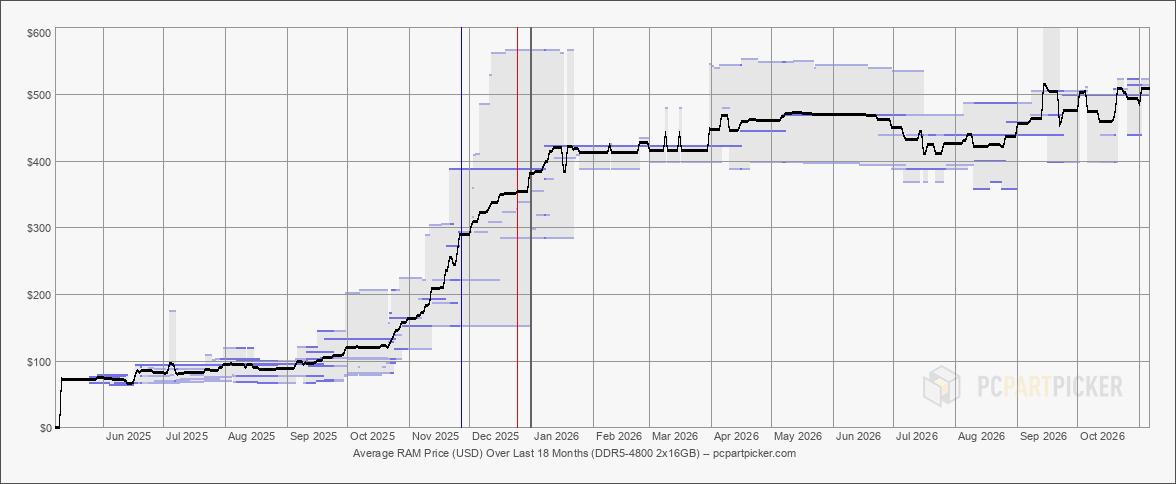
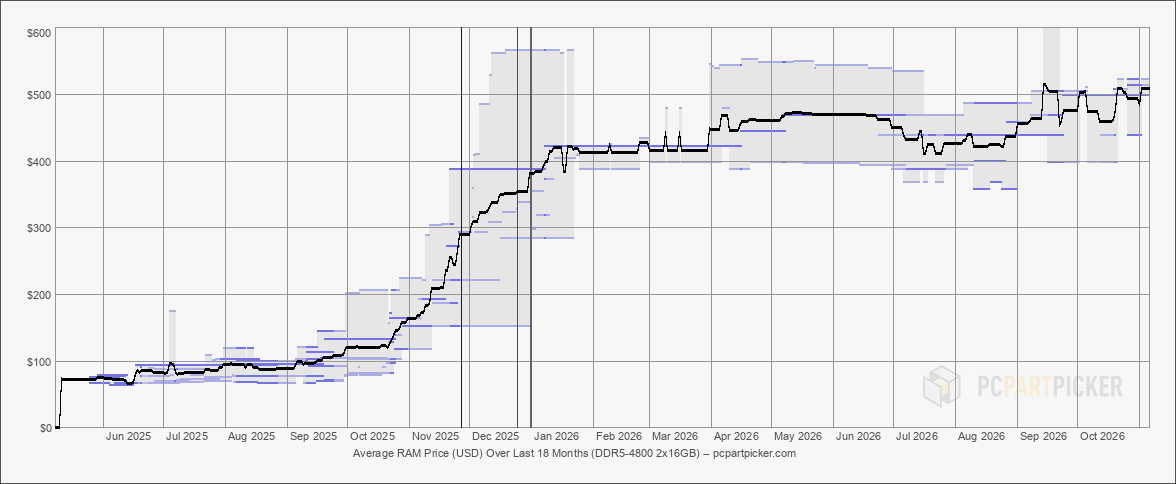
There is no denying the technical marvels on offer. Graphics cards like the RTX 5090 deliver unprecedented performance, and DDR5 memory can hit speeds that were unimaginable a few years ago. But those advances come with price tags that have jumped dramatically. According to PC Part Picker, a 32GB kit of DDR5 (two 16GB sticks) averaged around $150 eighteen months ago; today it sits above $600. A 64GB kit has climbed from roughly $250 to more than $1,250. Even older DDR4 has not escaped: 16GB went from about $50 to around $170 over the same period.
Those numbers are not abstract. They represent the difference between a hobby and a luxury, and they are pricing people out of the platform entirely. For those of us lucky enough to work with high-end gear—say, an RTX 5090 and 96GB of DDR5—the joy of writing about such hardware is undercut by the knowledge that few readers will ever experience it.
The AI Factor: Data Centers Guzzle Memory
The root of the shortage is not a mystery. The explosion of AI data centers—needed to train and run large language models—has created a global scramble for memory chips. That demand has cascaded into RAM, graphics cards, and storage, sending prices soaring. The situation came to a head this week when OpenAI CEO Sam Altman, speaking on the Cheeky Pint podcast, remarked that it is “quite terrible” for individuals to hold “a bunch of the world’s limited supply of DRAM” in their own computers. Many PC gamers interpreted that as blaming them for the shortage, and the backlash was swift.
Then Elon Musk—hardly a beloved figure among many—weighed in with “The people deserve to have their RAM too!” Altman later said he was taken out of context and had been referring to local AI models, but the damage was done. The episode highlighted a growing disconnect between the AI industry and the gaming community that built the PC market.
Nvidia and AMD: Drifting Away from Gamers
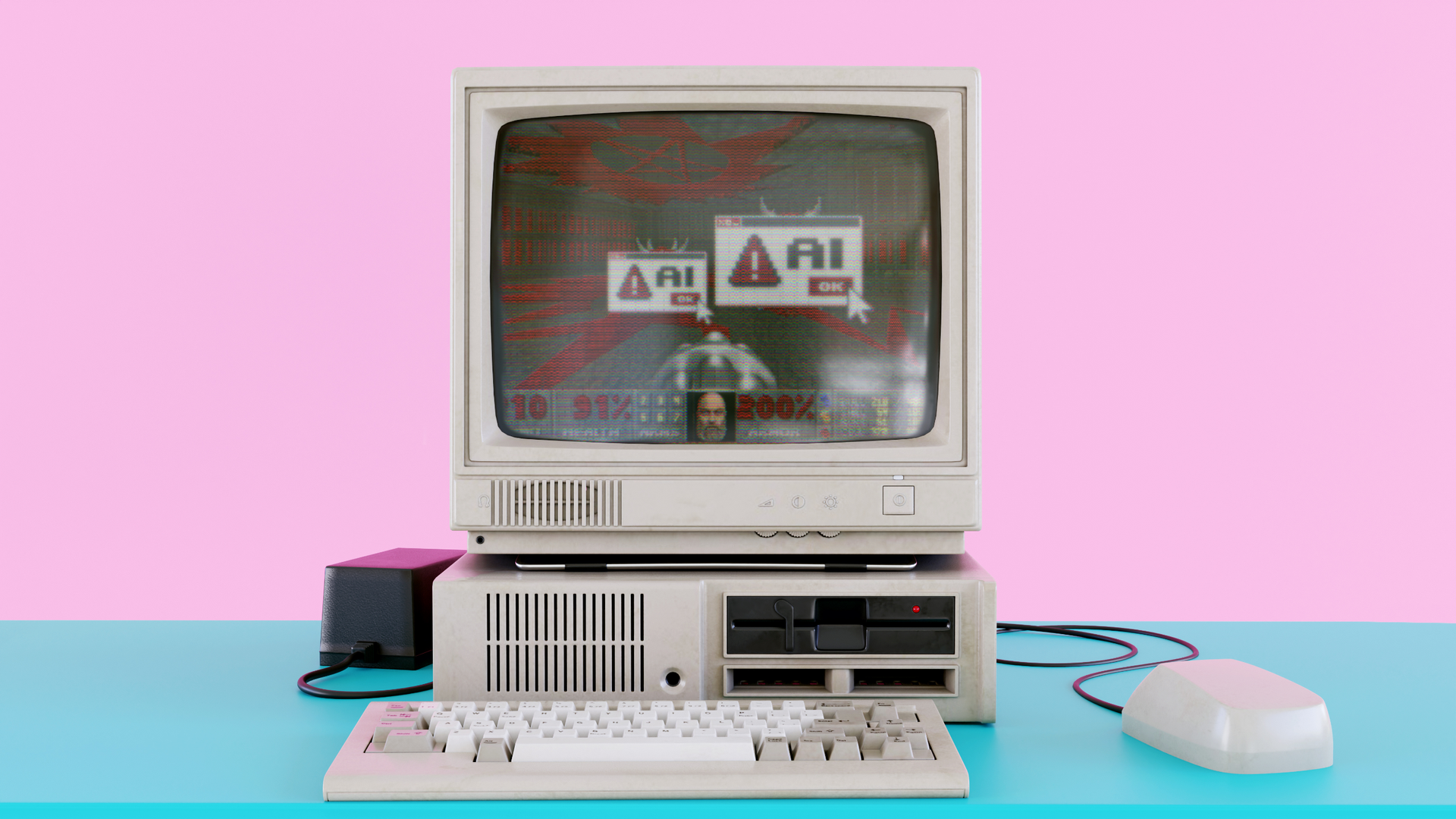
Nvidia, long respected for pushing PC graphics forward, now finds its fortune tied to AI. Rumors suggest the company may end production of the RTX 5090, and it has done little to address component costs driven by the AI bubble it benefits from. Its recent “GeForce 8800 GTX — 20 Years of a Legend” demo, which lets players virtually install the iconic card in a retro Windows Vista PC, felt tone-deaf—especially since Nvidia recommends an RTX 5080 to run it, a GPU that is itself expensive and hard to find.
AMD, the perennial underdog, has also raised eyebrows. CEO Lisa Su recently stated that “We are a data center first company.” For gamers who hoped AMD would keep Nvidia in check with consumer-friendly policies, that comment stings. It suggests that both major GPU makers are increasingly focused on AI rather than the enthusiasts who made their names.
A Glimmer of Hope?
It would be easy to despair, but there are signs of pushback. At Computex 2026 in Taiwan, the AI hype was everywhere among PC makers, yet consumers have not matched that enthusiasm. A growing backlash against rampant AI—particularly AI that displaces workers, plagiarizes art, and consumes vast resources—is gaining momentum. Boycotting games made with AI and avoiding companies that use it irresponsibly could send a message that customers will not be taken for granted.
The recent stock-market rout for AI companies suggests investors and the public are increasingly skeptical of unchecked data center expansion. While no one wants an economic meltdown, a wake-up call to Nvidia and AMD—reminding them that PC gamers are the customers who built their success—would be more than welcome. The platform remains the most open, flexible, and creatively vibrant in gaming. It deserves better than to be sidelined by the very industry it helped create.