Intel’s next-generation desktop processors may impose a thermal-related ceiling that differs from conventional throttling, according to a claim from hardware leaker Jaykihn. The reported behavior would apply a Nova Lake 5.1 GHz thermal cap once a core exceeds 90°C, separating that limit from the traditional Tjmax cutoff at 100°C. The information is preliminary and based on leaks and engineering samples rather than final retail products.
What the leak actually says
Jaykihn’s claim is specific: Nova Lake-S desktop chips would universally limit maximum core frequency to 5.1 GHz when temperatures rise above 90°C. That is not the same as saying the processors cannot clock higher at all. The leaker does not provide peak frequency figures, but the implication is that higher speeds remain possible as long as thermals are kept under control.
Nor does the report set 90°C as the chip’s absolute thermal maximum. Jaykihn states that Nova Lake’s Tjmax is 100°C, down from 105°C on Arrow Lake. Raptor Lake processors previously used the same 100°C peak.
One detail likely to frustrate tuners is that the 5.1 GHz threshold reportedly cannot be raised, unlike Tjmax. Historically, Intel has allowed users to adjust the thermal throttle point when overclocking. Jaykihn’s information comes from leaks and engineering samples, so it remains possible that unlocked retail chips will behave differently.
How this compares with Thermal Velocity Boost
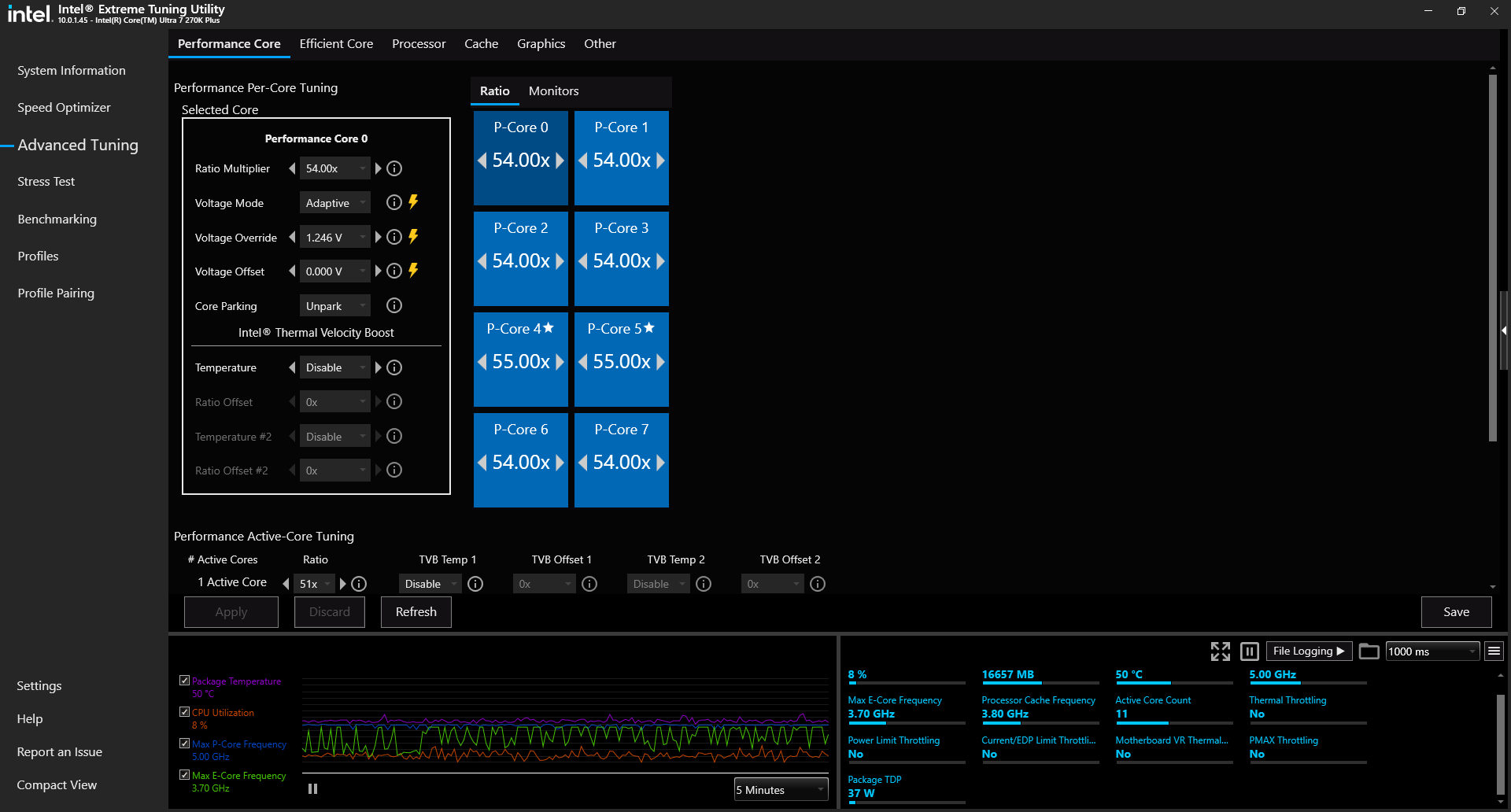
The mechanism most closely resembles Intel’s Thermal Velocity Boost, or TVB. TVB is the feature that lets high-end Intel CPUs reach their highest clock rates when thermal conditions are favorable. In simple terms, if the chip is not overheating, it can run 100 to 300 MHz above its rated Turbo Boost Max speed.
This creates confusion because TVB clock rates are often quoted as the “Max Turbo Frequency,” including by Intel itself. TVB clocks are not the same as standard turbo clocks, and many users without exotic cooling may never see those speeds in practice because they require optimal conditions. The reported Nova Lake behavior would function as a similar temperature-dependent ceiling, but with a hard 5.1 GHz limit that cannot be shifted upward.
Cooling and process technology
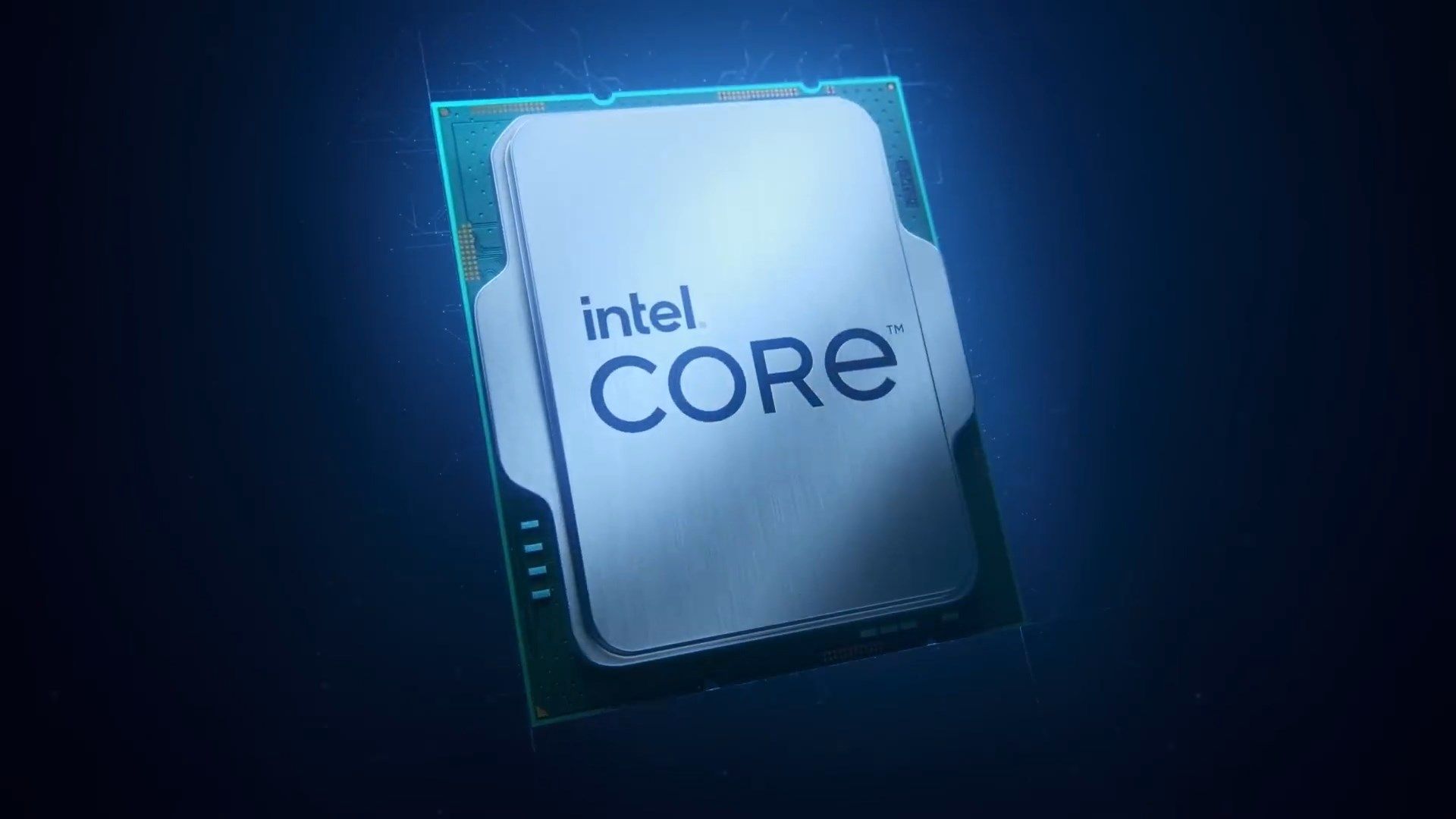
Whether 5.1 GHz becomes a practical ceiling depends heavily on how difficult Nova Lake chips are to cool. The compute tiles are reportedly fabricated on TSMC’s N2P process, a 2nm-class node, while peripheral chiplets use Intel’s 18A or 18A-P. N2P is said to be much denser than 18A but lacks back-side power delivery, which means the thermal resistance of individual dies is considerably lower.
Combined with lower power consumption from a real node step, Nova Lake could turn out to be relatively easy to keep cool. That would allow the chips to stay below the 90°C threshold and avoid the 5.1 GHz limit for longer periods. The outcome also depends on how aggressively Intel sets the maximum frequency, or fMax.
Rumors have placed AMD’s Zen 6 desktop Ryzen processors above 6 GHz for peak clock rates. If accurate, Intel could face as much as a 20% clock rate disadvantage at 5.1 GHz. Both Intel’s flagship Core Ultra 9 285K and AMD’s Zen 5-based Ryzen 9 9950X can reach 5.7 GHz before overclocking. Nova Lake is expected to have a higher fMax than 5.1 GHz, but users will need sufficient cooling to exploit that headroom under the reported limit.
What it means for tuners and performance
For system tuners, the fixed 5.1 GHz threshold would make undervolting more attractive. Reducing a processor’s thermal output helps it stay below 90°C and maintain higher performance. That approach differs from the usual overclocking tactic of raising thermal limits.
Even if Nova Lake does not scale clocks much beyond Arrow Lake, it could still deliver meaningful gains through new core architectures and technologies. The chips are expected to include APX core extensions and bLLC, Intel’s long-awaited answer to AMD’s 3D V-Cache. Forecasts suggest gaming performance could be as much as 33% faster than Arrow Lake.
The 5.1 GHz limit could be a particular concern for the rumored 52-core version of Nova Lake. Intel’s Core Ultra 4000 series is expected to launch either very late this year or very early next year, with the 52-core flagship and bLLC versions not anticipated until next summer. Until final products arrive, the practical impact of the reported thermal cap remains uncertain.