

Fox completes billion Roku acquisition — Fox Corporation has closed its acquisition of Roku in a deal valued at $22 billion, the company announced this week. The transaction, first revealed in June, gives Fox control of a streaming platform that reaches more than 100 million households worldwide. The completion comes after a review by the Trump Justice Department, which cleared the merger despite the unusually short five-month timeline for a deal of this size.
Roku operates as a gateway to major streaming services including Netflix, YouTube TV and Disney+. Beyond hardware and platform access, the company sells advertising and subscription bundles, and it owns the streaming service Tubi. The acquisition therefore expands Fox’s reach across both content distribution and the advertising market that supports it.
A rapid approval and a shifting landscape
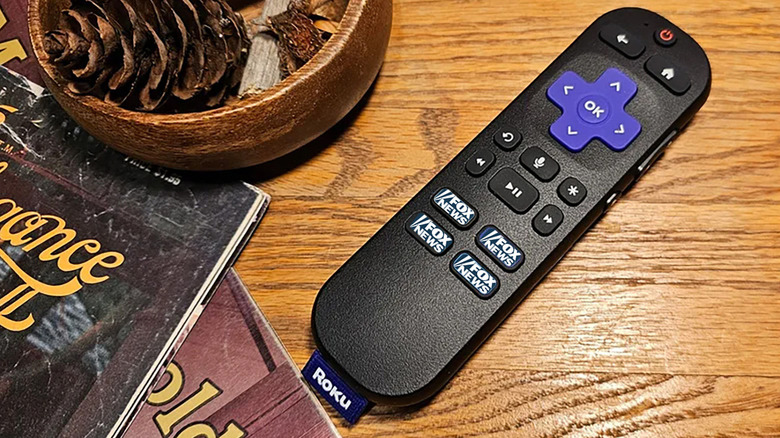
The speed of the regulatory review stands out for a merger of this scale. Fox and Roku announced the deal in June, and the Justice Department signed off within months. The closure arrives at a moment of transition for Fox’s core news operation: Fox News viewership fell 27 percent year over year in October, according to the source. By comparison, CNN gained 3 percent and MS NOW, formerly MSNBC, rose 16 percent during the same period. Even with that decline, Fox News still draws a larger audience than CNN and MS NOW combined.
The deal also carries a historical irony. Fox sold its Roku shares in 2020 to help finance its purchase of Tubi. Now it owns the platform outright, folding Roku into a broader digital strategy.
Leadership and structure
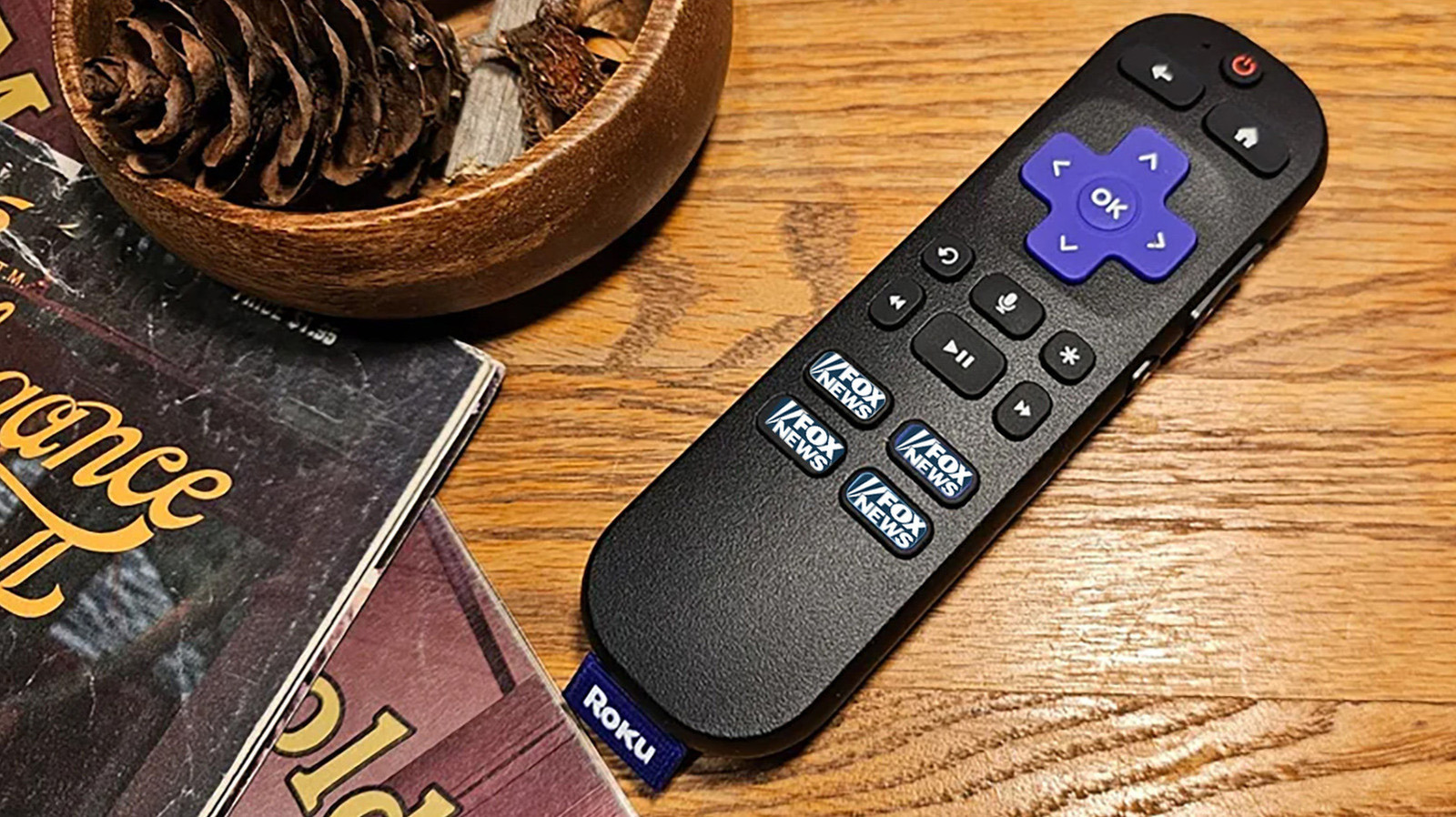
Roku founder Anthony Wood will join Fox’s board of directors. He is also set to co-lead Fox Digital Platforms, a newly created division that will oversee Roku, Tubi, Fox One and other digital brands. The arrangement places Wood, who built Roku into a major streaming hub, at the center of Fox’s expanded digital operations.
For current Roku users, the practical effects remain unclear. Fox has said Roku will continue to operate as an open platform for all content partners. That commitment addresses concerns about whether certain services might be removed, but it does not resolve questions about what content gets promoted on the home screen. The source notes that the concern is less about which apps disappear and more about which ones receive prominent placement.
Given Fox’s political orientation, observers have raised the possibility that Roku could become another channel for the company’s messaging. The source describes that outcome as difficult to imagine the company passing up, while acknowledging Fox’s stated commitment to openness. The tension between those two positions is likely to draw scrutiny as the new division takes shape.
What the deal means for the streaming market
The acquisition places a major streaming distribution platform under the same corporate roof as a news network, a broadcast network and a growing set of digital properties. Roku’s role as an intermediary between viewers and streaming services gives Fox a vantage point over what audiences see when they turn on their televisions. That position could influence not only which services are easy to find but also how advertising and subscription offerings are presented.
The deal’s completion also marks another round of consolidation in the streaming industry, where platforms, content producers and distributors continue to merge. Fox’s purchase of Roku follows its earlier acquisition of Tubi, suggesting a strategy of building out ad-supported and platform-level assets alongside its traditional broadcasting and cable holdings.
For now, Fox has emphasized continuity. Roku will remain open to content partners, according to the company, and Wood’s dual role on the board and in the new division suggests an effort to retain Roku’s existing leadership and expertise. Whether that continuity holds as Fox integrates Roku into its digital platforms division will be the question that follows the deal’s close.


