Russian technology companies are urgently exploring ways to protect and conceal their data centers—including moving them underground—after Ukrainian drone strikes damaged facilities that house AI supercomputers and disrupted cloud services for millions of users across Russia. The shift toward underground data centers Russia is one of several consequences of the war, alongside new Kremlin requirements that data center owners set aside computing capacity for emergency state needs and authorization for the possible use of foreign data centers.
Strikes Hit Major Russian Tech and Financial Targets
Ukraine has retaliated against Russian bombardment of its cities—which has included near-constant drone and missile attacks in recent months and specific targeting of Ukrainian data centers since late September—with its own drone strikes on military and infrastructure targets inside Russia. Those strikes have degraded or knocked out data centers operated by some of Russia’s largest entities: tech giant Yandex, state-owned bank Sberbank, social media site VKontakte, and the Ministry of Finance.
The damage has exposed the vulnerability of Russia’s concentrated digital infrastructure and prompted a scramble to harden or relocate key facilities.
Rostelecom and Norilsk Discuss Burying Data Centers
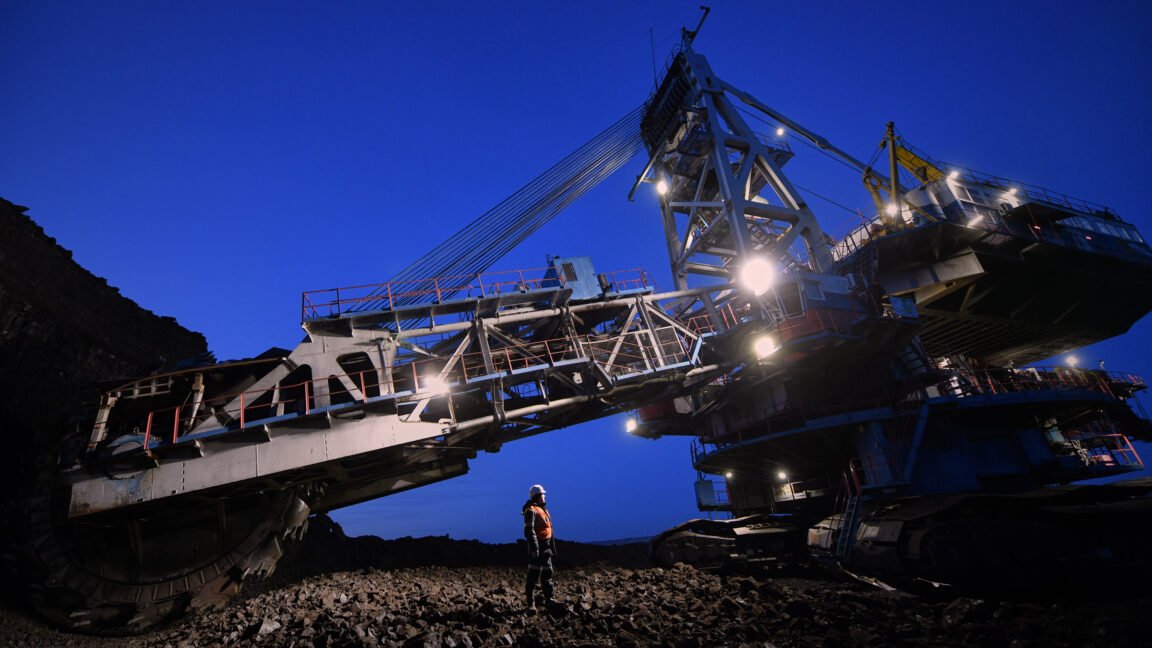
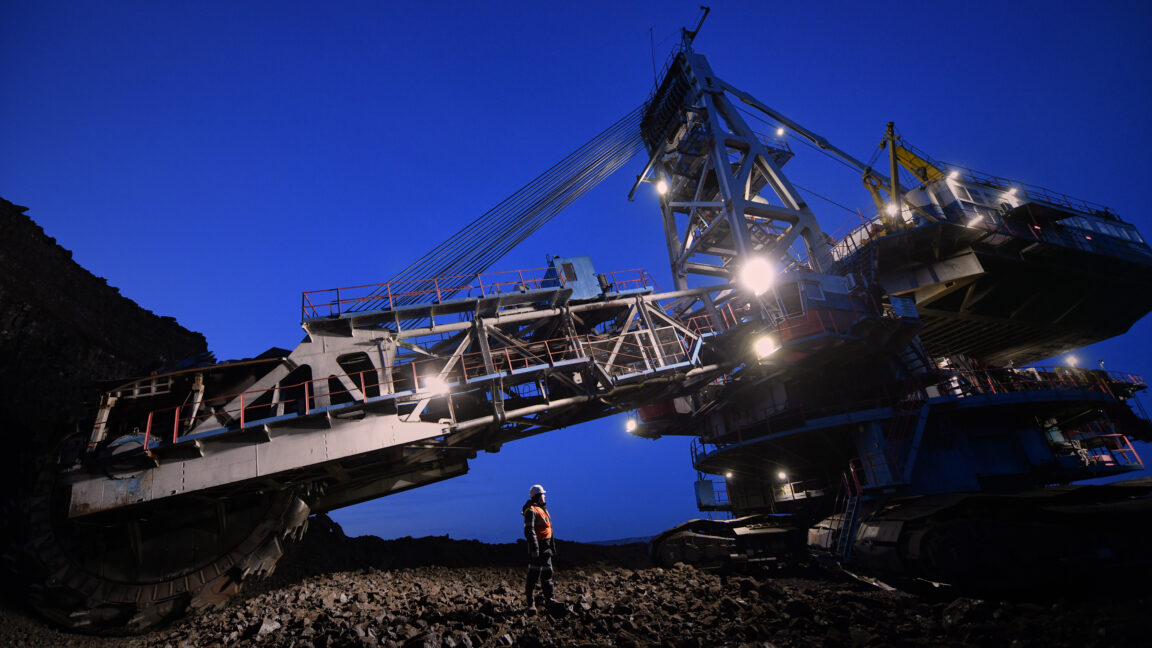
State-owned telecommunications company Rostelecom has raised the possibility of moving some Russian data centers underground in discussions with nickel and palladium mining company Norilsk, according to the Russian newspaper Vedomosti. The industry publication Data Center Dynamics also highlighted a recent proposal by a Russian regional governor to build data centers inside open-pit coal mines, with green public parks planted above as camouflage.
Such ideas reflect a broader effort to hide critical computing assets from further strikes, though no timeline or specific locations have been disclosed.
Kremlin Imposes New Rules on Computing Capacity
Meanwhile, the Kremlin is requiring data center owners to reserve computing capacity for emergency state needs. Authorities have also authorized the possible use of foreign data centers, a notable shift for a government that has prioritized domestic digital sovereignty.
The combination of physical strikes, regulatory pressure, and the search for secure locations underscores how the war is reshaping Russia’s technology landscape—forcing companies to balance operational continuity with the risk of further attacks.
What It Means for Russia’s Digital Infrastructure
The moves to bury or camouflage data centers come as Russia’s military continues to bombard Ukrainian cities with drones and missiles nearly night and day, and as Ukraine systematically targets Russian military and infrastructure assets. The back-and-forth has turned data centers into strategic targets, with consequences for cloud services, AI development, and financial operations that depend on them.
For now, the discussions between Rostelecom and Norilsk, and the governor’s coal-mine proposal, remain proposals rather than confirmed projects. But they signal a growing recognition in Russia that above-ground, easily identifiable data centers may no longer be safe.