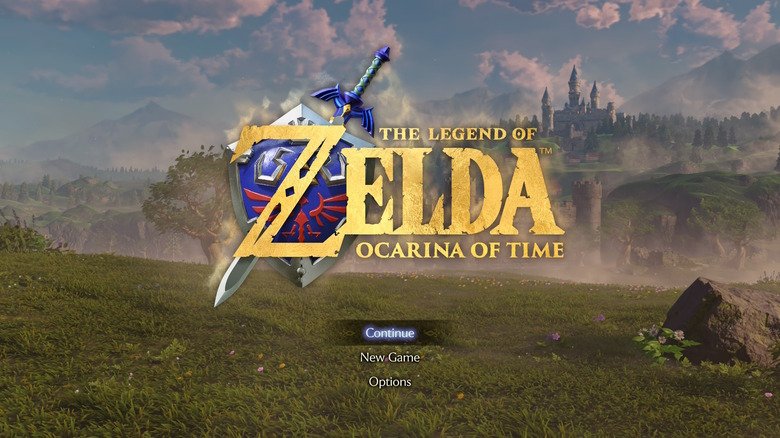
Nearly three decades after it first defined 3D adventure games, The Legend of Zelda: Ocarina of Time has been rebuilt for Switch 2. This Ocarina of Time Switch 2 review finds a remaster that preserves the original’s soul while making Hyrule look and feel more immersive than ever.
A Hyrule Rebuilt With Care
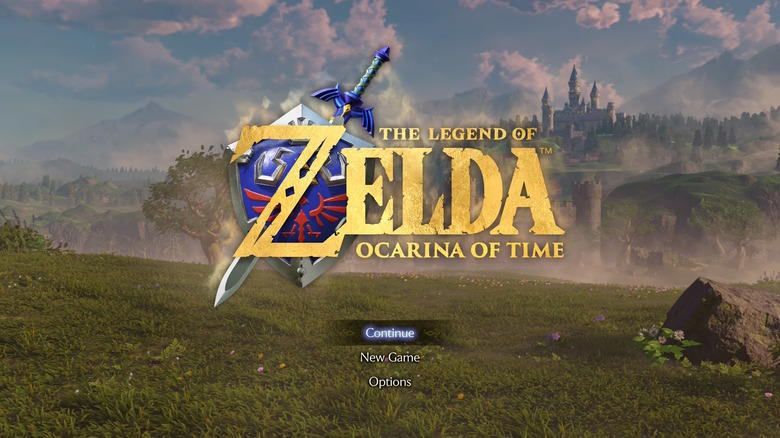
The most visible change is the graphics. Blocky polygons are gone, replaced by high-resolution character and environment models. Art director Aya Shida has said the team aimed to recreate Hyrule while keeping the original’s character, drawing inspiration from puppet shows and practical film effects. The result is a world that feels nostalgic yet modern, with a look that recalls fantasy films like The Dark Crystal rather than a generic update.
Not every detail lands perfectly. Young Link’s oversized eyes and some exaggerated facial features can seem odd in isolation, and the water effects occasionally give characters a slimy sheen. Those quibbles fade against the overall presentation, which is consistently striking.
Small Effects, Big Atmosphere
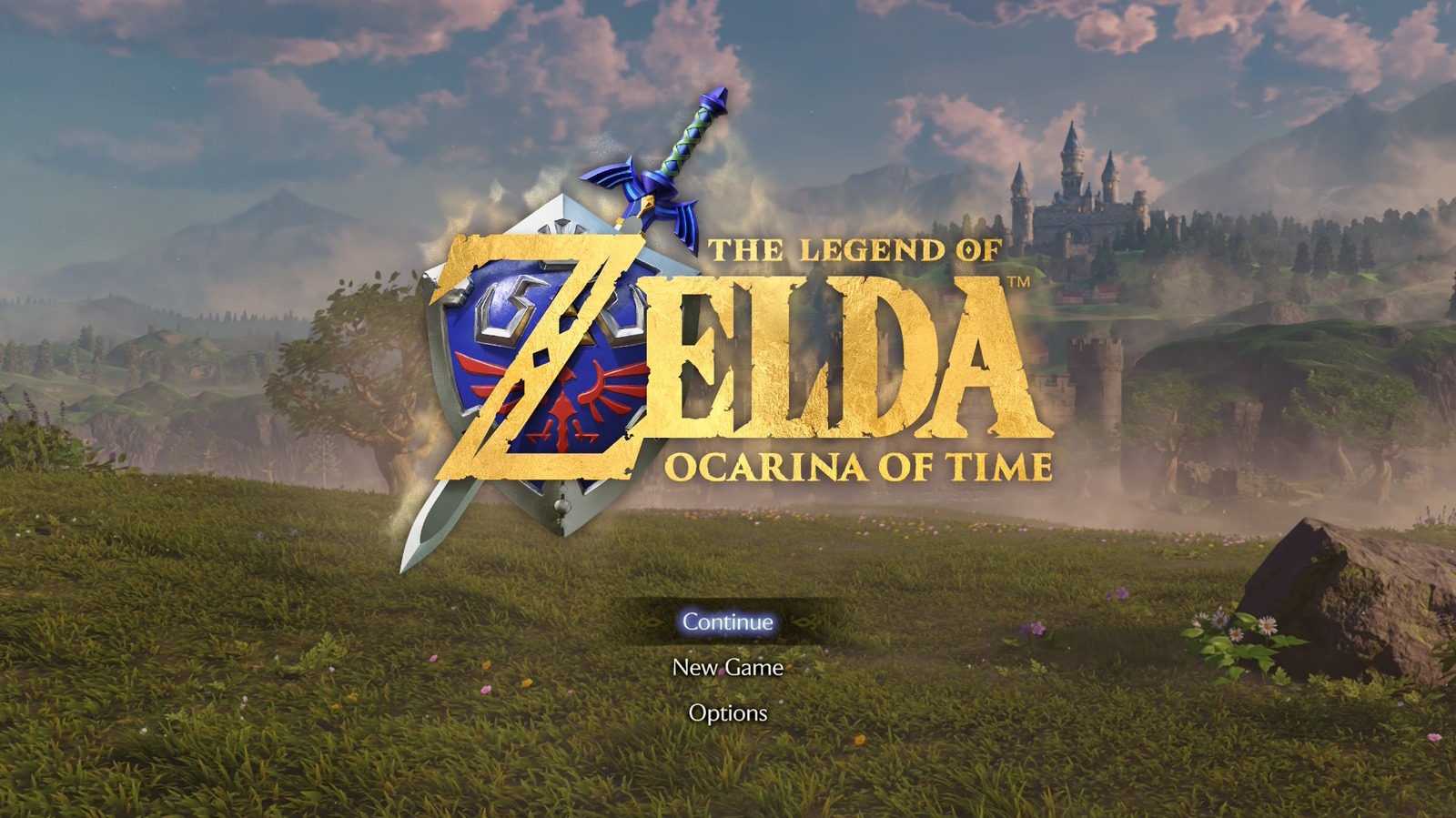
Beyond raw resolution, the remaster adds new battle animations and particle effects. Slashes send sparks flying, low fog clings to dungeon floors, and the upgraded spin attack feels like unleashing a miniature hurricane. These touches subtly deepen the mood: the Forest Temple is spookier, Death Mountain more oppressive. Even players who know every room will notice a richer atmosphere.
Core Gameplay Left Intact
Unlike some high-profile remakes, Nintendo has not reimagined Ocarina’s story or mechanics. The core combat and puzzle-solving remain largely as they were, which is welcome given how influential the original was in establishing 3D combat. The straightforward design still feels refreshing and serves as an accessible entry point for younger players.
Several quality-of-life updates smooth the experience. The camera is now fully adjustable, a help during busy fights. A revised quick-item menu makes switching gear faster. The new Threads of Time system helps newcomers and returning players track quests and objectives. Link can also sprint by holding the A button after a roll, though longtime fans may still reflexively roll everywhere.
Other tweaks are less visible but meaningful: early rupee farming has been toned down, terrain has been adjusted to close certain exploits and shortcuts, and Navi is noticeably less chatty. For most players, that last change will be a relief.
A Timeless Adventure, Newly Polished
Ocarina of Time remains a landmark, and this version makes its influence easier to see. Its lock-on combat and dungeon design anticipate modern action RPGs, even if its mechanics now feel simpler. That simplicity is part of its charm: the game remains an inviting, well-paced adventure that holds up for fresh eyes.
The updated visuals make it more appealing to younger generations, while the story and gameplay retain their timeless quality. For those who have never experienced Link’s first 3D journey, this Switch 2 edition is an excellent place to start. For veterans, it is a lovingly handled tribute that preserves what made the original unforgettable.