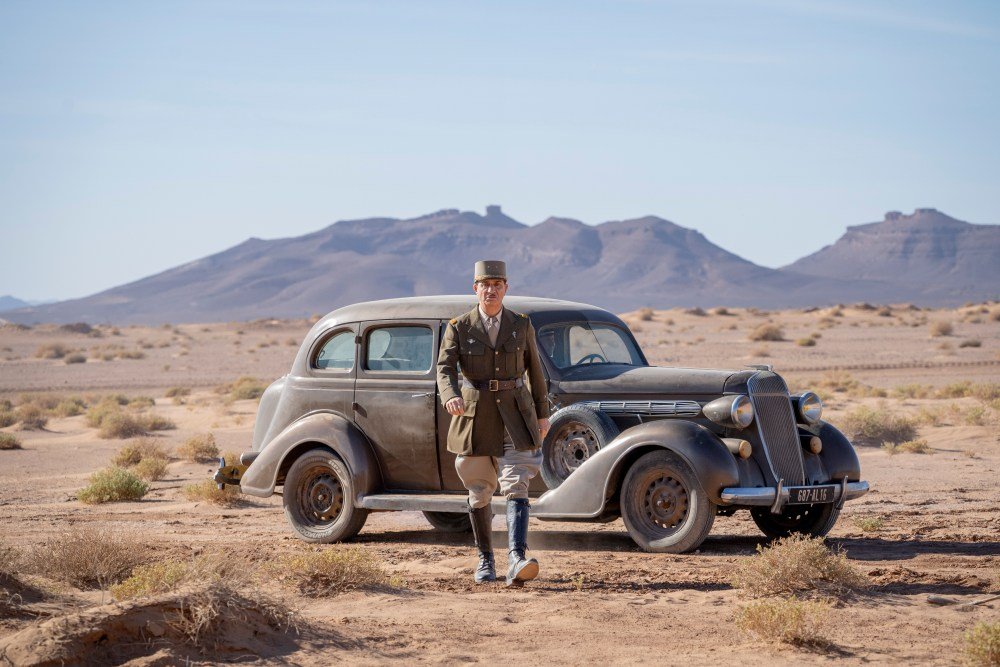
The American French Film Festival winners were announced on November 8 during the event’s closing ceremony, bringing the annual celebration of French cinema in Los Angeles to a close. The honored titles include De Gaulle, La Gradiva and Alice: Pioneer of Cinema, each recognized through a voting process that drew on several distinct groups of participants.
Unlike festivals that rely on a single jury, this event aggregates perspectives from audiences, critics and students. The result is a set of awards shaped by viewers with different levels of expertise and investment in film.
How the Winners Were Chosen

The selection process combined four voting bodies. First, audiences attending the festival cast votes for their favorite films. Second, members of the Los Angeles Film Critics Association contributed their professional assessments. Third, a jury of entertainment professionals weighed in. Finally, a student jury made up of high school and college-age participants from the TAFFF High School Screenings Program added a younger perspective.
This multi-tiered structure means the winning films had to appeal across a broad spectrum—from casual moviegoers to seasoned critics to students encountering French cinema, in some cases, for the first time. The festival does not disclose the specific awards each film received or the vote tallies, but the inclusion of these three titles among the honorees places them at the center of this year’s event.
The Honored Films

De Gaulle is a historical drama that shares its title with the former French president. La Gradiva and Alice: Pioneer of Cinema round out the list of recognized features. While the festival has not detailed the individual categories or the exact nature of each award, the three films stand as the most visible beneficiaries of the combined voting.
The presence of Alice: Pioneer of Cinema suggests an interest in cinema history, while De Gaulle points to the continuing appeal of French political and historical narratives. La Gradiva adds a third distinct title to the mix, though the festival has not provided further description of its subject or style.
A Ceremony Marking the End
The closing ceremony on November 8 served as the culmination of the festival’s run. By announcing the winners at the end, organizers allowed the audience to experience the full slate before honors were handed out. The event’s structure—with separate juries for critics, professionals and students—reflects an effort to capture reactions from multiple vantage points rather than a single insider group.
The student jury component is particularly notable. High school and college-age participants from the TAFFF High School Screenings Program were given a formal role in deciding the winners, ensuring that younger viewers had a direct say in which films were celebrated.
What the Awards Signal
The American French Film Festival winners reflect a blend of audience enthusiasm and critical evaluation. Because the awards are not limited to a single voting bloc, the honored films can be seen as those that resonated most consistently across different groups. The festival has not released a full list of categories or runners-up, leaving the focus on the three named titles and the collaborative process that elevated them.
For filmmakers and distributors, recognition at the festival offers a stamp of approval from both public and professional voters. For audiences, the winners provide a starting point for exploring the festival’s lineup, with De Gaulle, La Gradiva and Alice: Pioneer of Cinema emerging as the most visible selections of the year.