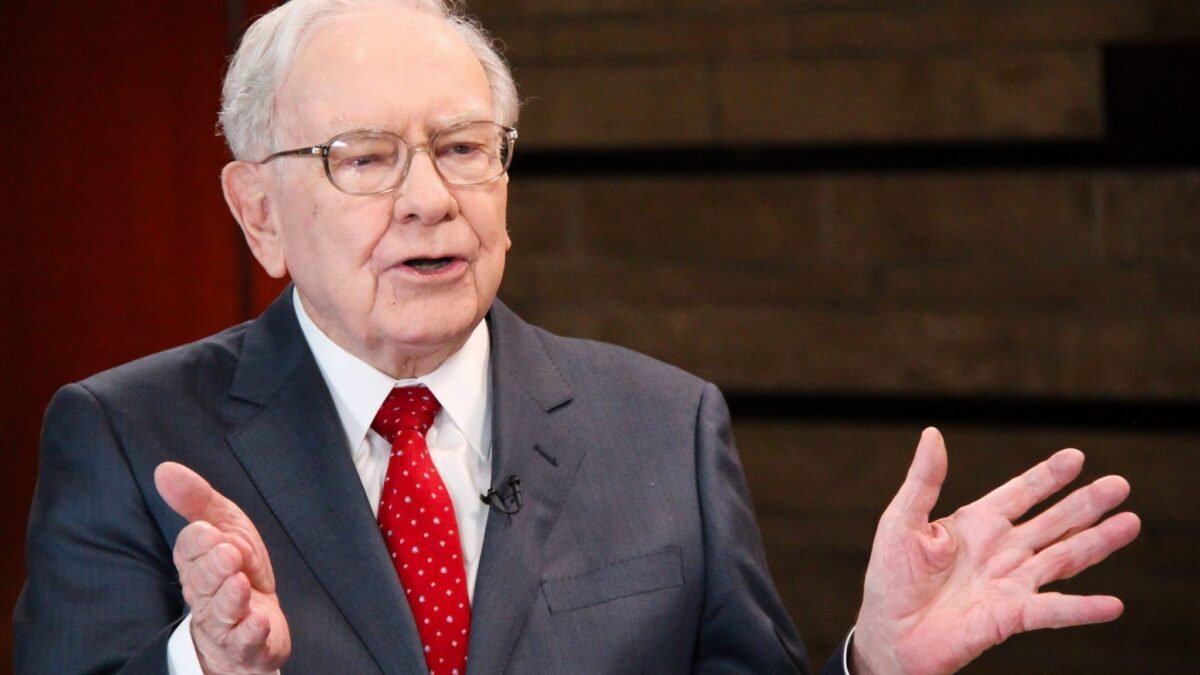
Warren Buffett on greatness offers a counterweight to the usual scoreboard. The Berkshire Hathaway investor, ranked tenth among the world’s richest people with a fortune of $163 billion, used his final shareholder letter last November to argue that neither wealth nor fame nor political influence defines an exceptional life. What does, he suggested, is how you treat people.
Buffett, 96, has spent seven decades in investing without letting his balance sheet reshape his daily habits. He remains in the same Omaha house he purchased in 1958 for $31,500—a five-bedroom, two-and-a-half-bath property now estimated at roughly $1.4 million. The house holds more value for him as the place where he raised three children than as an asset. He has said he would not trade it for anything.
Small purchases, large meaning
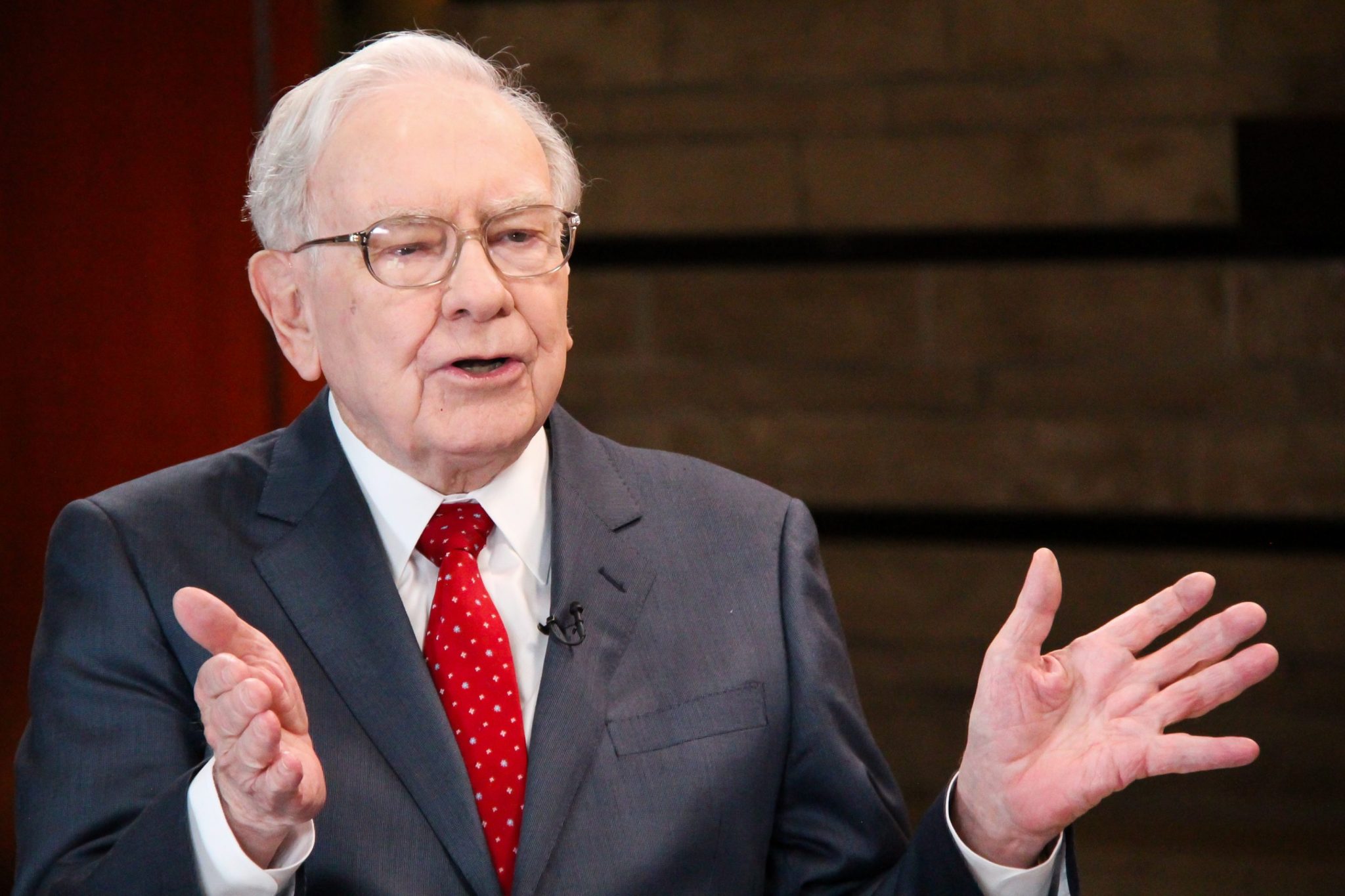
His spending choices have become almost as well known as his investment record. Buffett favors McDonald’s, typically ordering items such as two sausage patties with egg and cheese, or a bacon, egg and cheese sandwich, each under $4. Years ago he took Bill Gates there for lunch rather than a fine-dining restaurant. Gates later recalled a moment in Hong Kong when Buffett reached into his pocket for coupons to cover the meal.
The same instinct shows up in bigger decisions. Buffett once drove a 20-year-old car, reasoning that it was safer than a fast luxury model, and at one point his license plate read “THRIFTY.” He has resisted mansions and sports cars, arguing that a higher cost of living does not translate into a higher standard of living. At a 2014 shareholders meeting he explained that additional houses or possessions would not make him happier—and could make life worse.
Why kindness counts
In the shareholder letter, Buffett separated achievement from accumulation. He wrote that greatness does not arrive through money, publicity or government power. Instead, he pointed to helping others in any of countless ways as the real contribution. Kindness, he noted, costs nothing yet carries immeasurable worth.
He also invoked the Golden Rule as a reliable guide to conduct, regardless of religious belief, and stressed that a cleaning lady deserves the same human respect as a chairman. That principle has shaped how he deals with powerful business leaders, too—he has not felt the need to impress them with expensive meals.
For Buffett, the contrast is straightforward. A person can hold enormous wealth and still measure his life by the memories in an old house, the coupons in his pocket, and the way he treats the people around him.