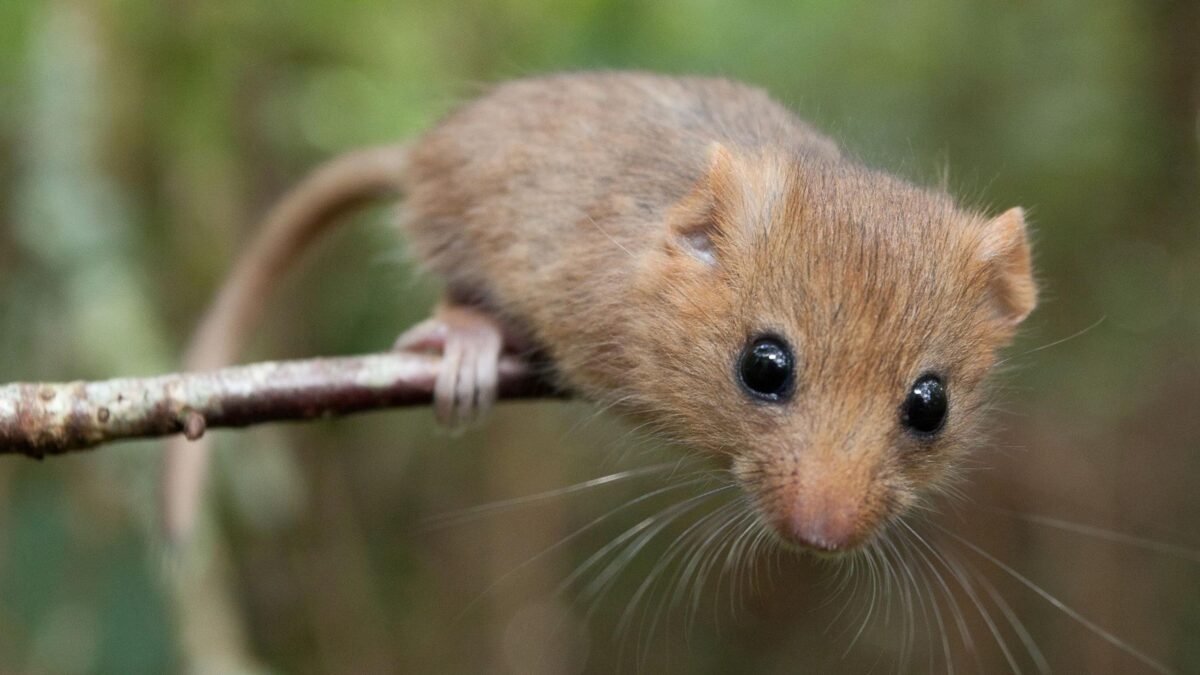
After years of discouraging news about Britain’s wildlife, a small nocturnal rodent has provided a rare positive signal. Evidence is emerging of a hazel dormouse recovery in England and Wales, with population figures rising over the most recent five-year period.
The hazel dormouse is the only dormouse species native to the UK. Once common across much of the country, it has retreated largely to southern England and parts of Wales as woodlands and hedgerows have been lost. Native populations have vanished from approximately 20 English counties.
Long-term decline and a recent shift

The National Dormouse Monitoring Programme, run by the conservation charity People’s Trust for Endangered Species (PTES), has tracked dormouse numbers at sites in England and Wales since 1998. Its data show that from 2000 onward, the population fell by nearly 60%, an average yearly drop of about 3.5%.
More recently, however, that downward trend appears to have paused or reversed. Between 2020 and 2025, the figures suggest an increase of almost 10%. Researchers are careful to note that this estimate carries substantial uncertainty.
The period of apparent improvement overlapped with springs and summers that were warmer and drier than average. Scientists think such conditions can benefit dormice by increasing food availability and cutting down the time the animals spend in deep sleep. With more active time, the rodents can breed and accumulate fat reserves for winter.
Why warmth matters for a sleepy mammal

The hazel dormouse is known for its extended slumber. It hibernates from roughly October to May in a ground-level nest. Even in spring and summer, cold, wet weather or food shortages can trigger short bouts of deep sleep called torpor, which helps the animal conserve energy.
Warmer summers may reduce the need for torpor, leaving dormice with more energy for feeding and reproduction. Still, the researchers emphasize that much remains unknown, including how the species will cope with warmer, wetter winters.
Dr Charlotte Armitage, an ecologist involved in the survey, said warmer summer conditions are likely to give the animals more energy to reproduce and raise additional litters. She described the findings as good news but warned against complacency, stressing the continued need to protect habitat, study climate change effects, and manage woodlands effectively for dormice.
Cautious optimism, not a solution

Ian White of PTES, a co-author of the report, called the upturn welcome and a reason for cautious optimism. But he also pointed out that the bigger remains concerning: populations are still almost 60% lower than they were in 2000.
Conservationists say that safeguarding the woodlands and hedgerows where dormice live is essential for the species’ long-term survival. The recent numbers offer encouragement, but they do not erase the legacy of habitat loss or answer the open questions about climate change.