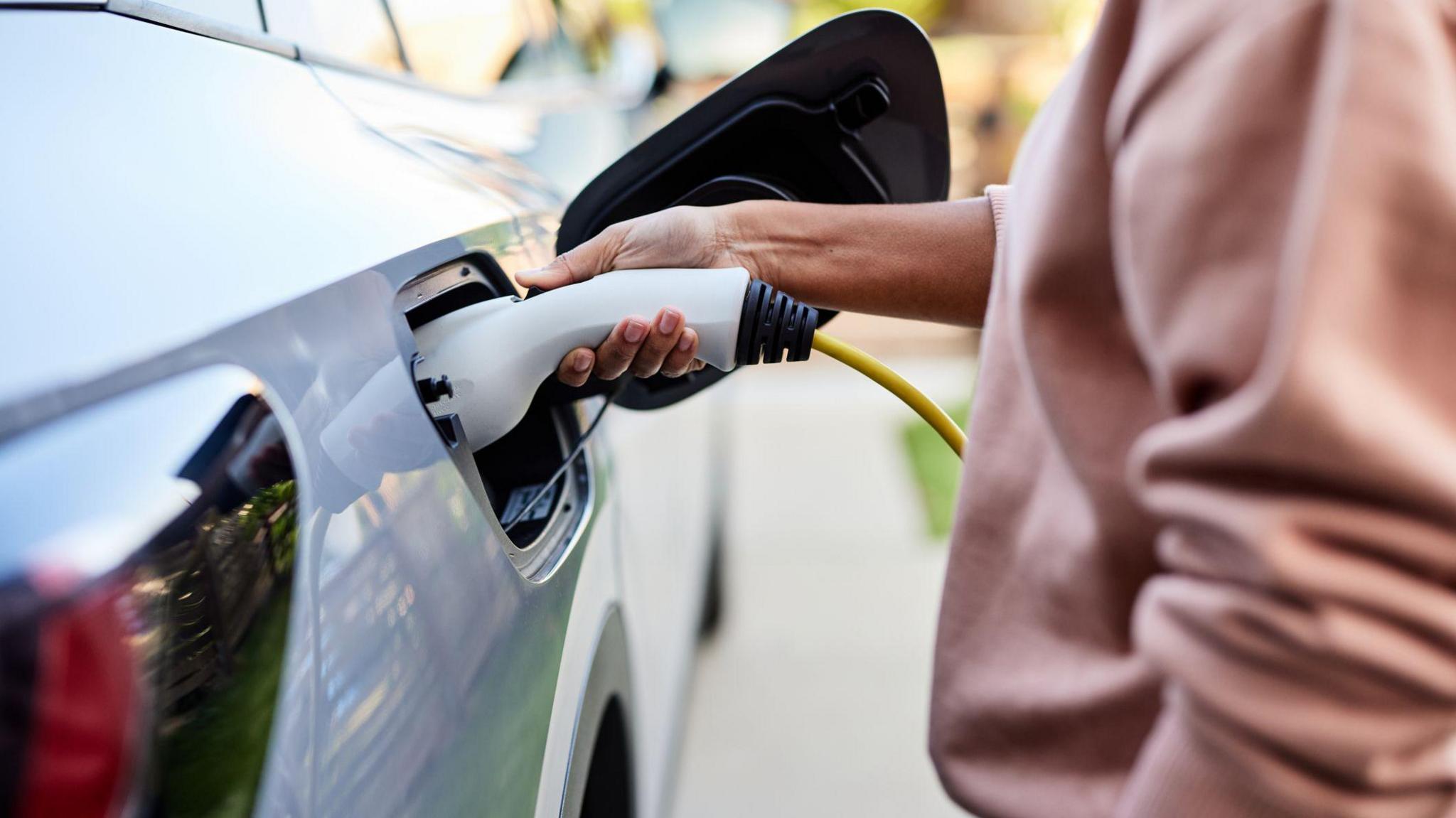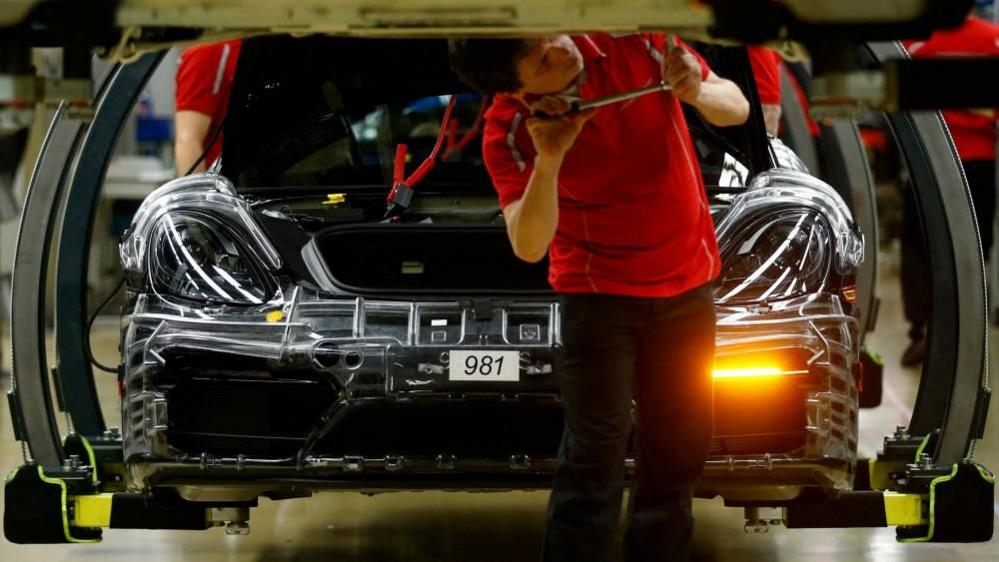
The UK electric vehicle targets are poised for a significant reduction this week, a move that would likely please car manufacturers while drawing opposition from environmental organisations. The expected change concerns the mandate requiring 80% of new cars sold in the country to be electric by 2030, a rule that industry bodies have long argued needs urgent relief.
Under the existing framework, the sale of new petrol and diesel cars is scheduled to end by 2030, and by 2035 every new car must be zero emission. However, the pace of the shift to electric has been a subject of intense debate, including among cabinet members. The government has been consulting on lowering the 80% requirement, and a substantial reduction is now anticipated.
No Final Decision, Says Downing Street

Downing Street has maintained that no decision has been finalised. A government source indicated to the BBC that the issue would be handled in a pragmatic and balanced manner. The consultation process has fuelled speculation that ministers could water down the rules more steeply than previously expected.
Such a move would arguably be seen by some observers as Prime Minister Andy Burnham giving priority to economic considerations over environmental ones, particularly when viewed alongside the recent approval of the Jackdaw gas field. The government has faced competing pressures: carmakers have warned that the current targets are too ambitious, while sustainability groups argue that any weakening of the 2030 goal would jeopardise the UK’s long-term electrification and climate objectives.
Industry and Environmental Reactions

The expected reduction is likely to be welcomed by carmakers, who have consistently called for relief from what they describe as unrealistic sales quotas. Industry groups have argued that consumer demand for electric vehicles has not kept pace with the mandated trajectory, making the 80% target difficult to achieve. Environmental organisations, on the other hand, contend that softening the rules would undermine the transition to cleaner transport and delay progress toward net-zero commitments.
The debate has also exposed divisions within the cabinet, where the speed of the electric transition has been hotly contested. The government’s review of its policy to ban new petrol and diesel car sales by 2035 was launched amid these tensions, and the outcome of the consultation is now expected to reshape the UK’s electric vehicle strategy.
What the Changes Could Mean

If the 80% rule is significantly reduced, it would mark a departure from the current regulatory path and could alter the timeline for phasing out conventional vehicles. The government has not disclosed the exact nature of the expected reduction, but the consultation has focused on lowering the 2030 sales requirement. The decision will be closely watched by both the automotive industry and environmental campaigners, as it carries implications for investment, consumer choice, and the UK’s climate targets.
The timing of the announcement, expected this week, coincides with broader scrutiny of the government’s environmental record, including the Jackdaw gas field approval. Critics may point to a pattern of prioritising economic interests, while supporters could argue that a more flexible approach is necessary to protect jobs and the automotive sector.
As the consultation concludes, the government faces the challenge of balancing industry concerns with its long-term electrification goals. The final decision will determine whether the UK maintains its ambitious electric vehicle targets or adjusts them in response to mounting pressure from carmakers.