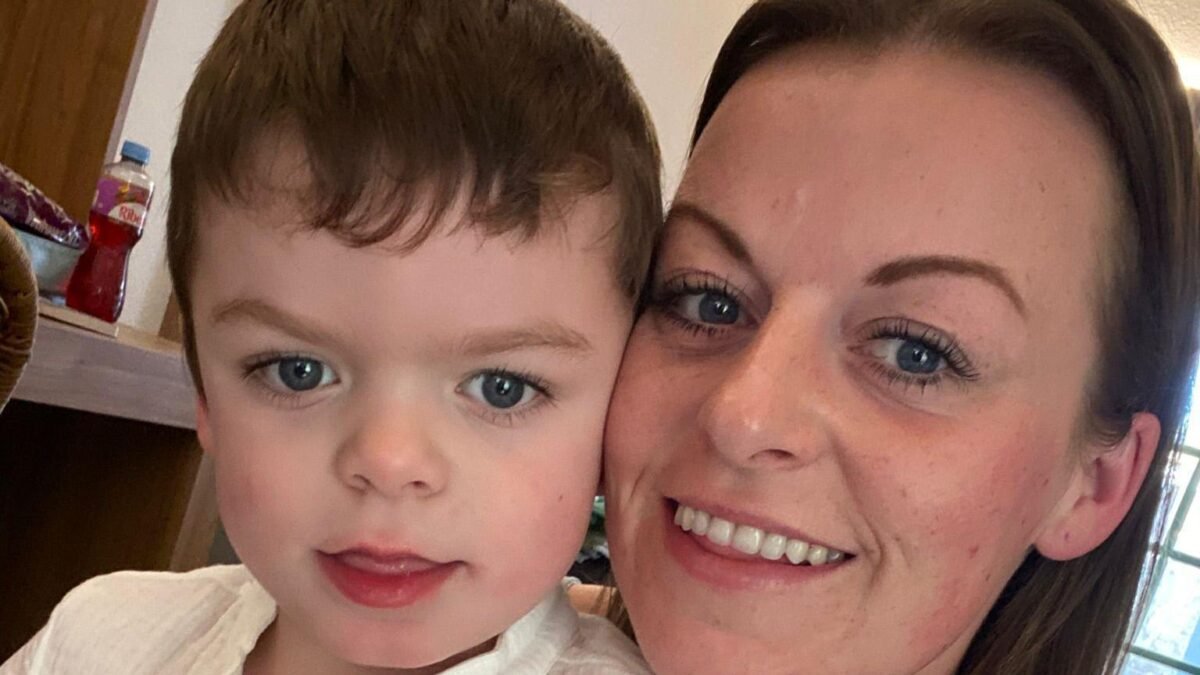
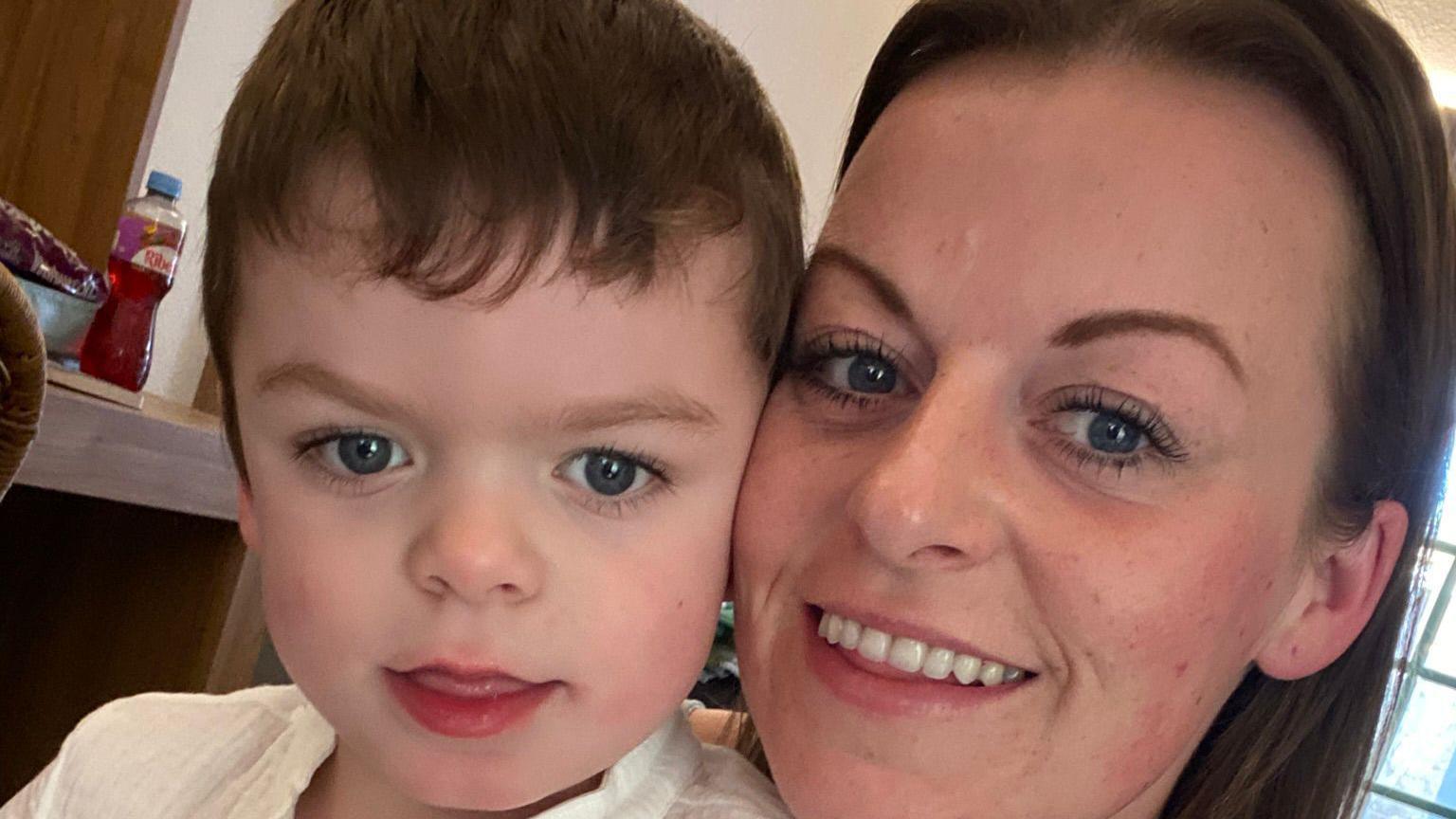
A family in Swansea is confronting an almost impossible bill for a childhood dementia gene therapy that has been approved in the United States but is not yet available in the UK. Tammy McDaid needs £2.95 million to obtain the one-time treatment for her five-year-old son, Tate, who was diagnosed with Sanfilippo Syndrome at the age of four.
The condition, which is often described as childhood Alzheimer’s or childhood dementia, is a rare neurodegenerative disorder. According to the Society for Mucopolysaccharide Diseases, about 140 children in the UK live with Sanfilippo Syndrome. Tate has Type A, also known as Mucopolysaccharidosis type III or MPS III. There is no cure, and the illness gradually strips away abilities such as walking and eating. Progression can accelerate after the age of five.
A treatment approved abroad, but priced out of reach
In September, the US Food and Drug Administration approved the first gene therapy for children with the condition. The drug, called FAYUVI, is developed by Ultragenyx. For Tammy, the approval brought a brief moment of hope that quickly gave way to despair when she learned the list price had been set at $3.95 million per child.
She said she had spent months praying for the approval, but the reality hit the following day when she read the US price. Because the treatment is not available in the UK, families outside the US face uncertainty over how they could ever afford it, particularly without American health insurance.
Tammy contacted Ultragenyx to ask how international families might cover the cost. She pointed out that American citizens have insurance, but families in the UK and elsewhere do not have a clear route. The company responded that it could not provide a single estimate for the total cost of care for an international patient, explaining that costs would depend on individual medical needs and the treating institution.
A narrowing window

Tate turns six this month, and his mother fears that time is running out. She said he is already showing signs of cognitive decline. The older he gets, the less effective the treatment may be, and the more abilities he stands to lose. She described the situation as a battle of time.
She called Tate the happiest little man, blissfully unaware of his condition. He has never spoken, but his mobility means everything to him, and that is what she is fighting to preserve.
Before the US approval, Tammy had already started fundraising. She has now raised more than £160,000, which covers only about 5% of the estimated cost. She acknowledged that the family needs millions, not hundreds of thousands, and said she hopes for a miracle in which the pharmaceutical company might eventually offer a lower price, though she expects it would still be in the millions.
She said that if a millionaire were to come forward with the money, the family would travel to the US immediately.
Seeking a pathway

Health officials in Wales are in discussions with their counterparts in the US to explore what access pathways might exist for Tate. Staff at Noah’s Ark Children’s Hospital in Cardiff are speaking with US officials on the family’s behalf.
Ultragenyx said it is pursuing a global regulatory strategy, and that FDA approval is an important first step in its long-term goal of bringing the treatment to families around the world. The company also said it understands the urgency felt by families affected by Sanfilippo Syndrome Type A and why some might consider travelling to the US for gene therapy. It recommended that families work with their child’s healthcare provider to understand potential access pathways before assuming that travel is the only option.
For Tammy, the wait is agonising. She described feeling petrified as Tate approaches his sixth birthday, knowing that the treatment could help him keep his mobility for longer but remains out of reach.