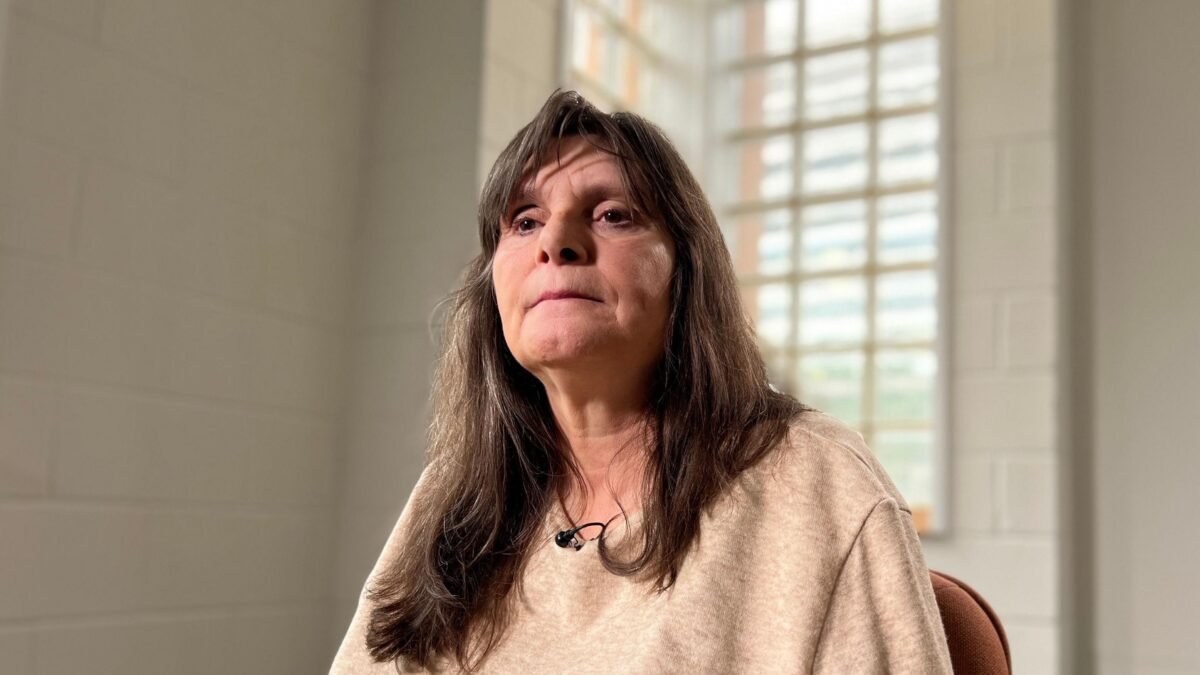
Sara Payne has spoken of her determination not to let her daughter’s killer occupy her mind, saying she made a deliberate decision about how to live after the Sarah Payne murder more than two decades ago. In an interview with BBC South East, Sara said that while many factors shape how people behave, they still have choices about the path they take. She explained that she chose not to allow Roy Whiting to live in her head, adding that keeping Sarah close was the priority.
Sarah was eight years old when she was abducted in July 2000 while playing with her siblings near her grandparents’ house in West Sussex. Her body was found 17 days after she went missing. Whiting, a convicted sex offender, was jailed for life in December 2001 for the killing. The search for Sarah became one of the most heavily publicised in UK history and led to landmark legal changes.
A different of victims

Sara, who lived in Hersham, Surrey, at the time, wants to challenge the way victims of crime are perceived. She said people can carry a fixed of what a victim looks like, but not everyone responds according to a textbook. Shock, she noted, has a massive effect on anybody. She described her own outlook as one without anger or aggression, saying she does not want to bring back hanging or similar measures. Her aim, she said, is to move forward in a humane way and remain human.
More than 25 years after Sarah’s murder, Sara described much of what happened around that period as a blur. She feels somewhat removed from it now, and said it has almost become a story in her own head too. Yet an overriding memory is the friendships she made and cemented during that time, bonds that have lasted to this day. She said the experience showed her who her true friends were.
During the search for Sarah, Sara recalled thinking her daughter would be watching television and needed to see that her mother was coming for her. When she learned Sarah was dead, she said the world was taken out from under her. She had convinced everyone around her that Sarah was coming home, and the news was not what she expected. She also said that reports of her daughter’s death were being broadcast at the same time she was being told.
Sarah's Law and a lasting legacy

Sara spoke ahead of a new BBC podcast series, Sarah Payne: Unforgotten, which draws on archive material and new testimony from Sarah’s family, detectives, journalists and politicians. It tells the story of the murder investigation and charts Sara’s long campaign for Sarah’s Law. The measure, which came into effect in 2011, allows parents, guardians or carers to formally ask police whether someone with access to their child has a history of child sexual offences.
Sara explained that she campaigned for the law because she found it unfair that sex offenders could serve their prison time and then remain anonymous. Victims, she said, do not get to simply move on with their lives; they have to deal with the aftermath. Her comments underline the broader point she wants to make about how victims are seen and supported.
She said she tries not to think about what Sarah would be like now, though she called her daughter very similar to herself and a special little girl. The world, she added, is a sadder place without her and lost something that day.