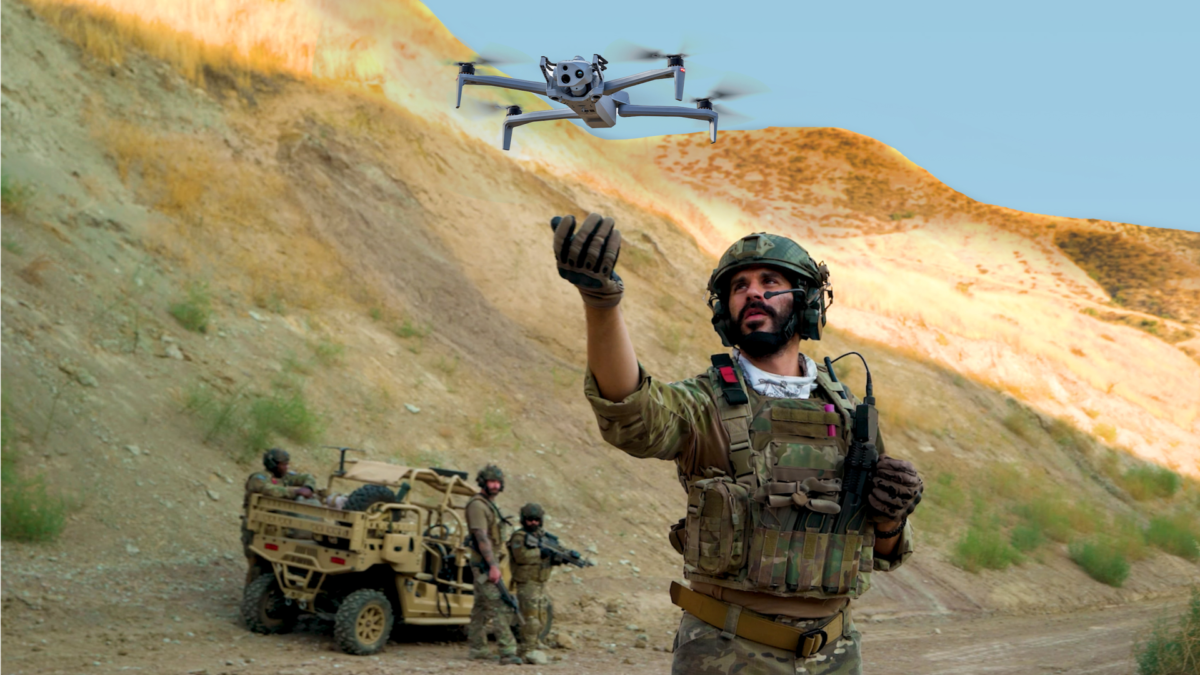
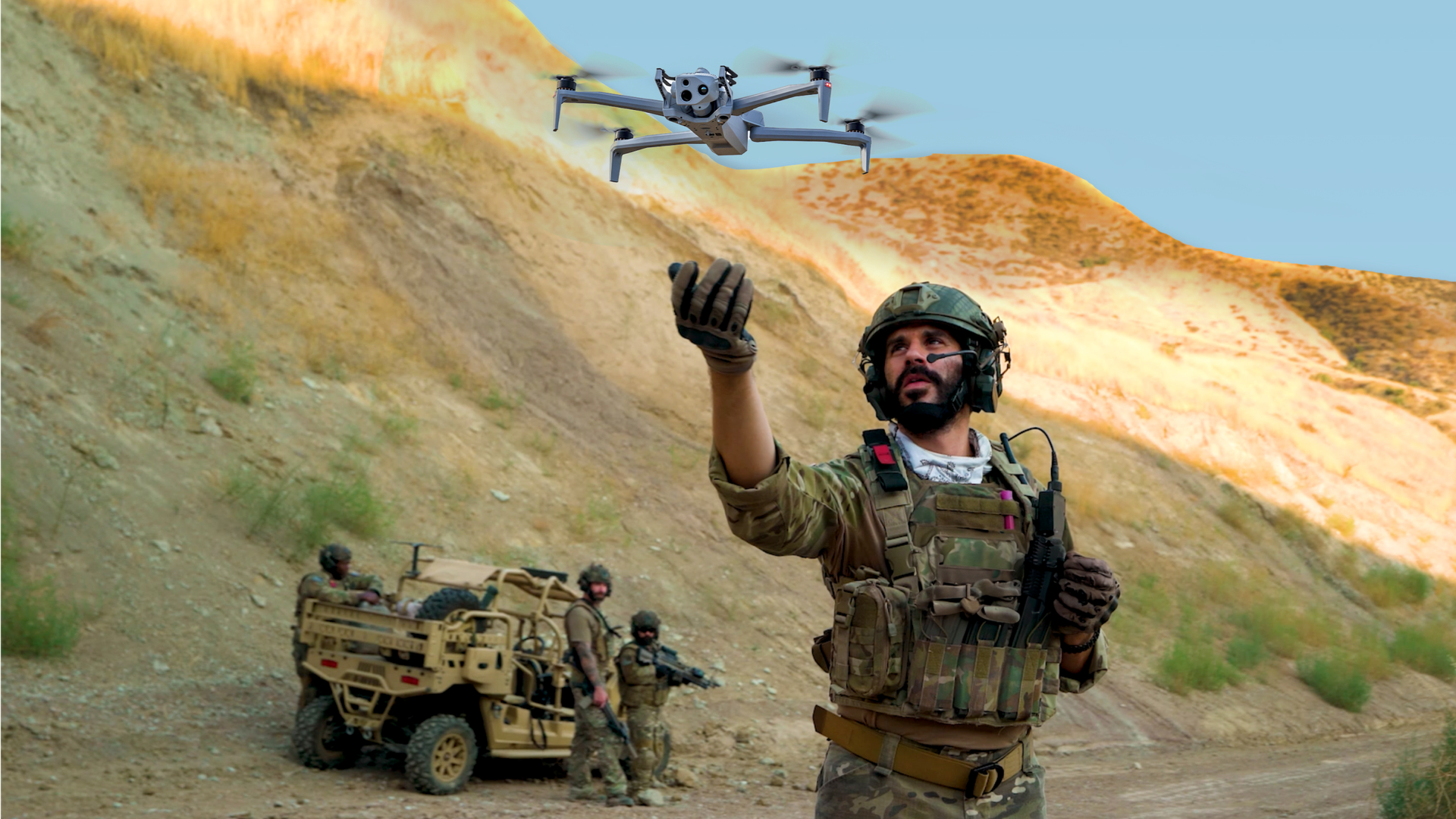
Ericsson drone detection is moving from concept to field testing, with the telecom vendor developing a system that lets ordinary cellular infrastructure spot and follow low-flying aircraft. The approach, called Integrated Sensing and Communication (ISAC), analyzes radio reflections to locate drones without relying solely on dedicated radar or other specialized surveillance gear.
The company plans limited commercial trials starting in 2027, followed by wider availability in 2028. AT&T has already tested the technology near Arlington, Texas, and Finland’s Erillisverkot ran similar trials. Ericsson says both exercises successfully identified multiple drones and tracked their movements.
How the network spots a drone
The system uses radio transmission equipment at multiple cell sites. When signals strike a drone, some energy bounces back toward receiving stations. By comparing reflections collected at different locations, the network can estimate an object’s position and follow it over time.
Ericsson says this method is suited to small, fast-moving aircraft flying close to the ground, a zone where conventional surveillance can struggle. The technology is not a software upgrade for every existing network. It requires specialized radio hardware, computing resources, and software, including Massive MIMO antennas that use many transmission and reception elements to handle complex signals.
Why mobile operators are interested
Unauthorized drone flights are increasingly disrupting airports and raising concerns around military installations and other sensitive sites. Over Halloween weekend, repeated unauthorized sightings disrupted flights at Jersey Airport in the Channel Islands near the UK. Military facilities have also reported more incidents, and in Britain military personnel have received legal authority to disable unauthorized drones detected around certain installations.
Current protection arrangements often depend on specialized detection equipment, and covering large areas with such gear can be expensive. Ericsson argues that cellular infrastructure can add surveillance coverage without requiring authorities to build entirely separate monitoring networks.
Ian Fogg, research director at CCS Insight, said mobile networks are useful for drone detection because their antennas already cover low elevations close to ground level, where drones often fly, unlike traditional radar. He also said new spectrum expected with 6G should make it easier to deploy sensing on wide channels, improving detection accuracy.
Complementary, not a replacement
Ericsson’s system is intended to supplement established surveillance equipment rather than eliminate radar installations. The company still needs to establish how accurately the technology performs under different conditions, particularly where buildings, terrain, and competing signals complicate detection. The planned deployments will provide opportunities to assess whether mobile network sensing can deliver dependable results outside controlled testing environments.
Beyond security, the same sensing capability could monitor shipping movements, vehicle traffic, and changing weather conditions around infrastructure. For now, the focus is on proving that cellular networks can serve as an additional set of eyes on the sky.