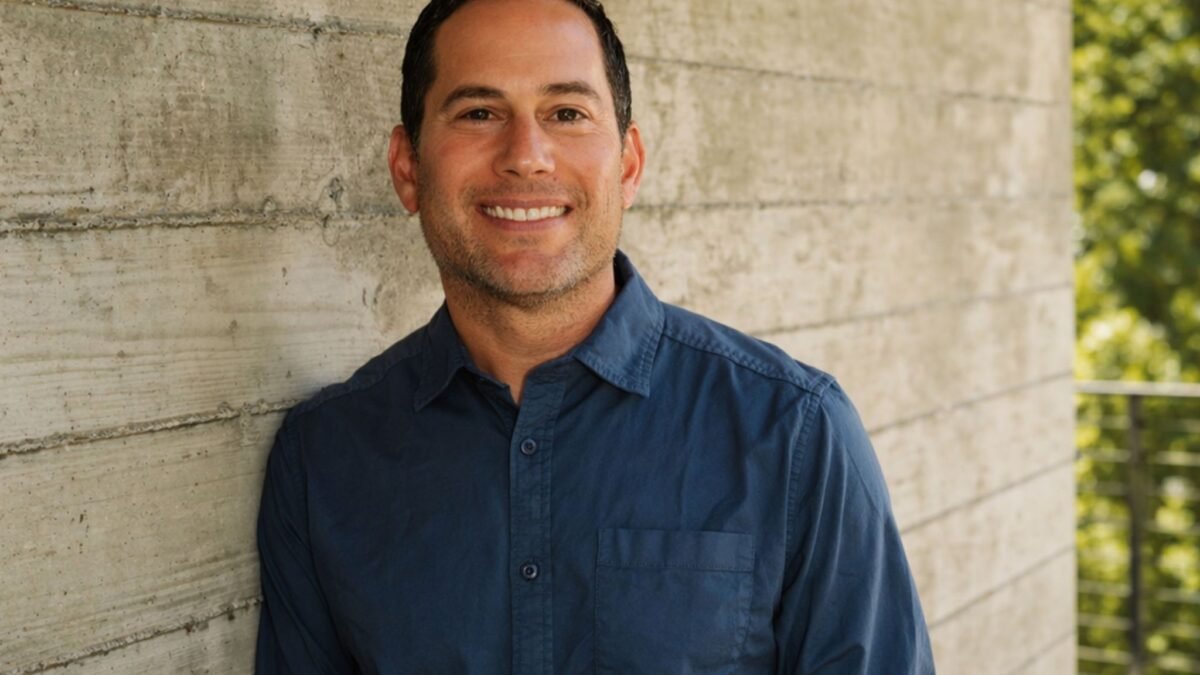
Ron Schneidermann, now CEO of test-prep startup Acely, has a message for anyone glorifying the grind: you can’t get lost time back. His own path to that realization was costly, and it has reshaped how he leads today. The Ron Schneidermann work-life balance story is one of a founder who once treated deprivation as a badge of honor—and who now builds recovery into the workweek.
The Cost of Building Liftopia

While scaling Liftopia, a digital marketplace for ski resorts, Schneidermann ran his operation from a small San Francisco apartment. He kept daily spending under $15 and went two years without drawing a salary, subsisting largely on canned soup. The company eventually surpassed $60 million in annual revenue, but the personal toll was steep.
When his first daughter arrived four years into Liftopia, he returned to work after only two days. Three years later, he took a full week off for his son’s birth and considered it an improvement. In hindsight, he calls that decision a mistake. Startup culture often celebrates such sacrifice, but Schneidermann says the tradeoff was not worth it.
A Shift in Perspective
By the time Schneidermann joined AllTrails in 2015, he had begun to rethink his approach. He became CEO in 2019 and introduced a monthly ritual: on the first Friday of every month, the company shut down and employees were encouraged to spend time outdoors. The move signaled that rest was not a reward for finished work but a regular part of it.
In August 2025, he took the helm at Acely. With fewer than a dozen employees, the company now holds a monthly “hackathon” instead of trail days. The entire team pauses routine work for a day to experiment with AI tools and new ideas—no meetings, no KPIs, no deliverables. It is a structure designed to foster curiosity without burning people out.
Early Career Lessons
Schneidermann’s aversion to money-driven jobs took root early. As a UCLA student in the late 1990s, he worked at Abercrombie & Fitch to help pay for his studies but was fired three separate times. After graduating in 2000, he joined Accenture as a business process consultant. The salary was lucrative, but he quit anyway. He has said he told himself he would never again take a job for money alone.
That resolve led him to Hotwire, then a travel startup later acquired by Expedia, and into the tech world. Looking back, he stresses that relationships matter as much as credentials. He advises young workers to invest in their networks consistently, noting that the professional pond is small and today’s peers become tomorrow’s leaders.
Advice for Younger Workers
Schneidermann believes many young workers treat networking as transactional. In his view, it is built on consistency, reputation, and basic professionalism. He emphasizes simple behaviors—don’t ghost people, show up, and remember there is a human on the other end.
He also champions curiosity over credentials. Rather than chasing a perfect role, he suggests approaching every task with a learning mindset. That philosophy carried him through multiple pivots, including his latest move to Acely, a company with no obvious connection to his background. He took the job partly because his high school–aged daughter had used the product for SAT prep, joining more than 50,000 active users. For Schneidermann, expertise can be learned; willingness to learn cannot be faked.
The Bottom Line
Schneidermann’s career shows that ambition and personal cost are not inseparable. The habits that once defined his success—extreme frugality, relentless hours, minimal time off—are the same ones he now warns against. At Acely, he is trying to build a culture where experimentation and rest coexist, and where no one has to justify a week off for a child’s birth. The lesson, as he sees it, is simple: the grind can wait, but time with family cannot.