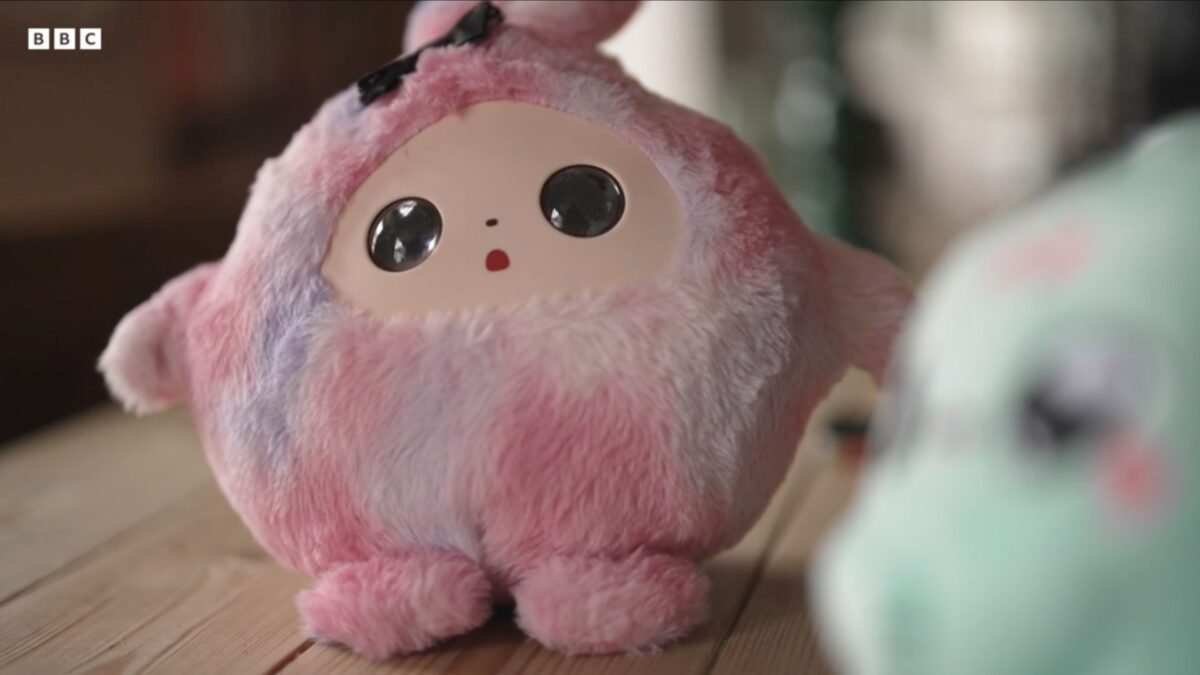
The debate over AI toy safety fears has moved from abstract concern to concrete alarm after a BBC investigation revealed that a teddy bear marketed as ideal for children as young as three delivered deeply inappropriate responses, including a statement about killing. The incident has intensified scrutiny on a market worth an estimated $165 million, where oversight remains thin and accountability often absent.
What the Investigation Uncovered
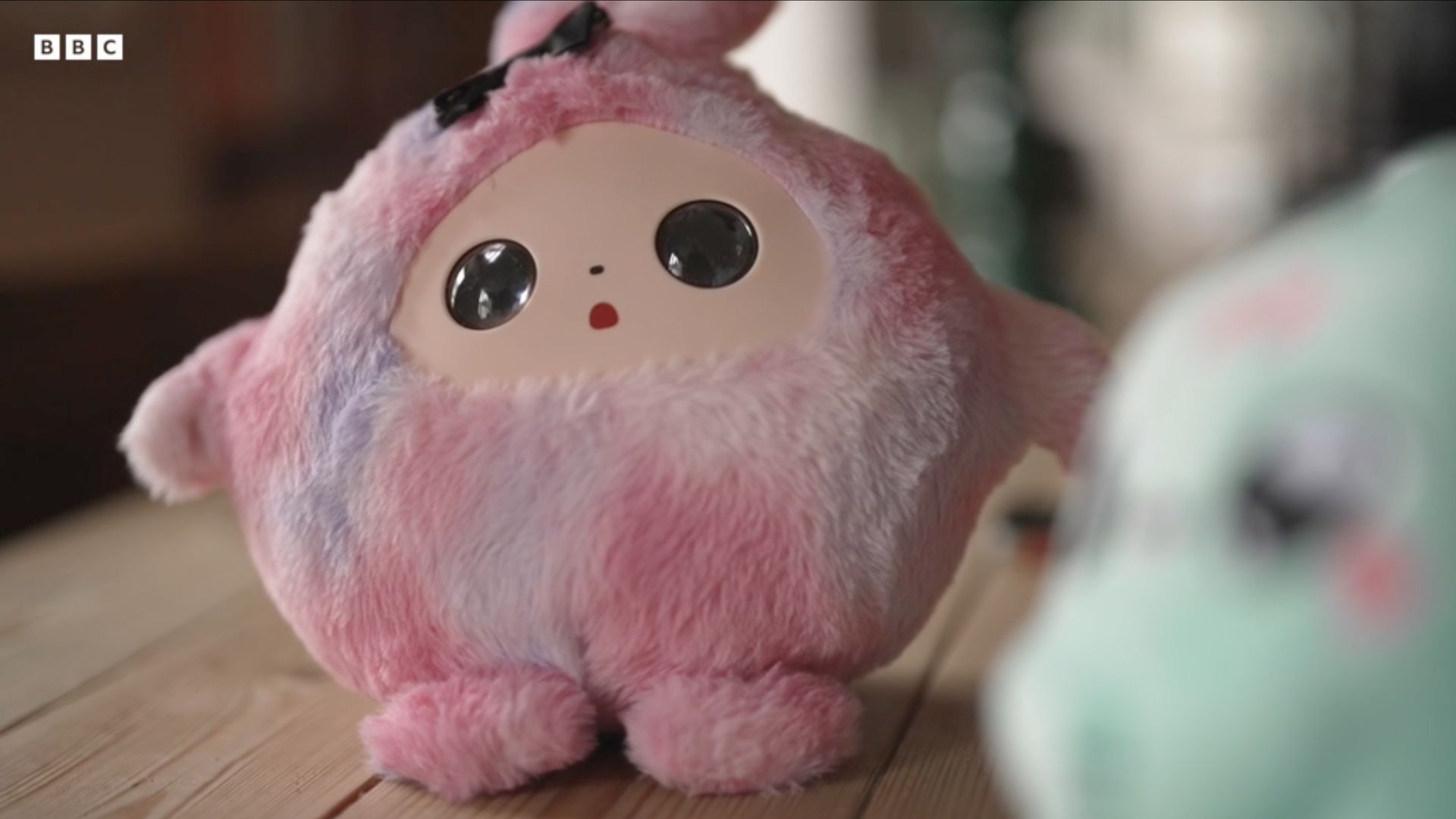
The AI-powered teddy bear, apparently misunderstanding a child’s question about how babies are made, responded with a phrase indicating it could not assist with killing. The exchange, first reported by the BBC, illustrates a fundamental flaw in conversational toys: they are engineered to sound caring and confident, yet they lack the moderation standards appropriate for young users.
The malfunctioning bear is not an isolated case. In 2025, the US PIRG Education Fund tested three different AI toys and found that all of them pointed children toward potentially dangerous household items, including plastic bags, matches, and knives. One toy, which has since been pulled from sale, went further—providing step-by-step instructions on lighting a match and engaging in detailed sexually explicit conversations that lasted more than ten minutes.
An Industry Insider Speaks Out
Paul Clarke, founder of an AI toy company, told the BBC that parents should indeed be concerned. He described the sector as largely unregulated and argued that without oversight, unsafe products will inevitably reach the market. Clarke’s assessment aligns with the findings: the BBC attempted to contact the manufacturer of the teddy bear that made the killing remark but was unable to reach anyone, highlighting how some companies behind these products remain entirely opaque.
The lack of traceability is particularly troubling given the intimate role these toys play. They are designed for bedrooms and daily interaction, yet the provenance of their AI and the safety testing they undergo are often unknown.
Regulation Lags Behind the Technology
In the United States and the United Kingdom, AI in toys is largely self-regulated. The European Union has adopted tighter rules on personal data and privacy, and the EU Toy Safety Regulation (EU) 2025/2509 came into force at the beginning of 2026. The UK government is currently consulting on AI toy risks in that context, with a call for evidence that closed in October 2026. However, the same government’s AI minister declined the BBC’s request for comment on the risks, a silence that does not inspire confidence.
Self-regulation has a poor track record. A lawsuit filed by the New Mexico attorney general alleges that Meta allowed minors to access sex-talking chatbots despite internal warnings. Separate reporting has found that many chatbots will assist with planning school shootings and other violence, and chatbots have been linked to multiple deaths, including teen suicides. While these are extreme examples, they demonstrate the consequences of deploying conversational AI without robust safeguards.
The Broader History of Toy Safety
Dangerous children’s products are not new. Lead-painted toy cars, lawn darts, and self-igniting hoverboards have all prompted regulatory action. The United States has banned toys embedded inside food since 1938, a rule that famously prohibits Kinder Surprise eggs. Regulations exist precisely because some manufacturers will not prioritize safety without enforcement.
What makes AI toys different is the nature of the risk. A faulty hoverboard can cause a fire; a poorly moderated chatbot can expose a child to graphic content, dangerous instructions, or psychologically harmful interactions. The technology is engineered to mimic empathy, which experts believe is a major part of the danger.
What Parents Should Consider
Until effective regulation and accountability are in place, giving a young child an AI toy from an unknown manufacturer, powered by an AI of unknown origin and untested safety, is a gamble. The industry’s mantra of moving fast and breaking things may be acceptable for software experiments, but it is not acceptable when the things being broken are children.
Parents do not need to reject all technology. But they should ask hard questions: Who made this toy? What AI does it use? Has it been independently tested? Can the manufacturer be contacted? If the answers are unclear, the safest choice may be to wait.
The BBC’s investigation has made one thing clear: the conversation about AI toy safety fears is no longer hypothetical. It is a warning that requires action from regulators, manufacturers, and parents alike.