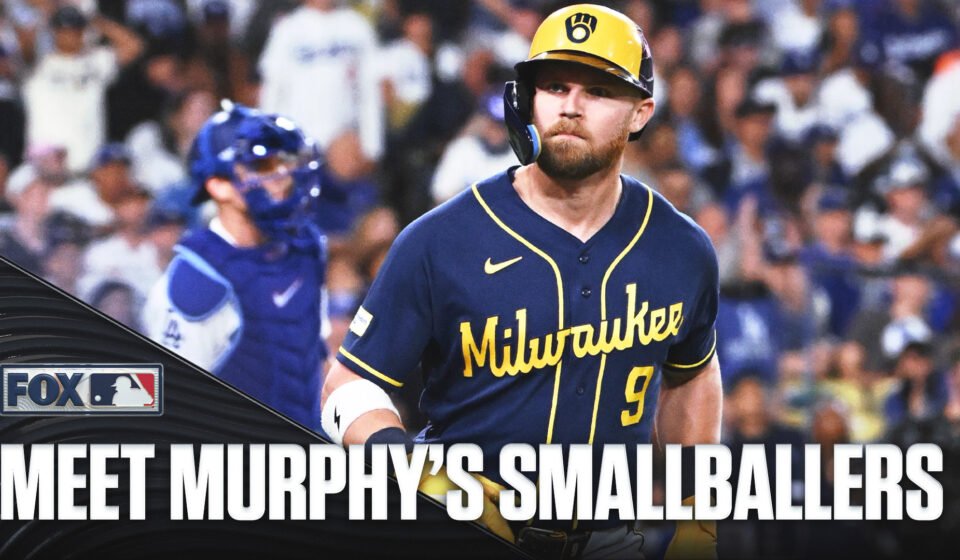

The 2026 Brewers World Series berth was sealed with a four-game NLCS sweep of the Dodgers, a series that turned on the same formula Milwaukee used all season: contact, patience, speed and home runs only when the moment demanded them. Milwaukee won 103 regular-season games despite ranking 29th in MLB with 154 home runs. The contrast with the franchise’s only previous World Series team could hardly be sharper.
A different kind of October power
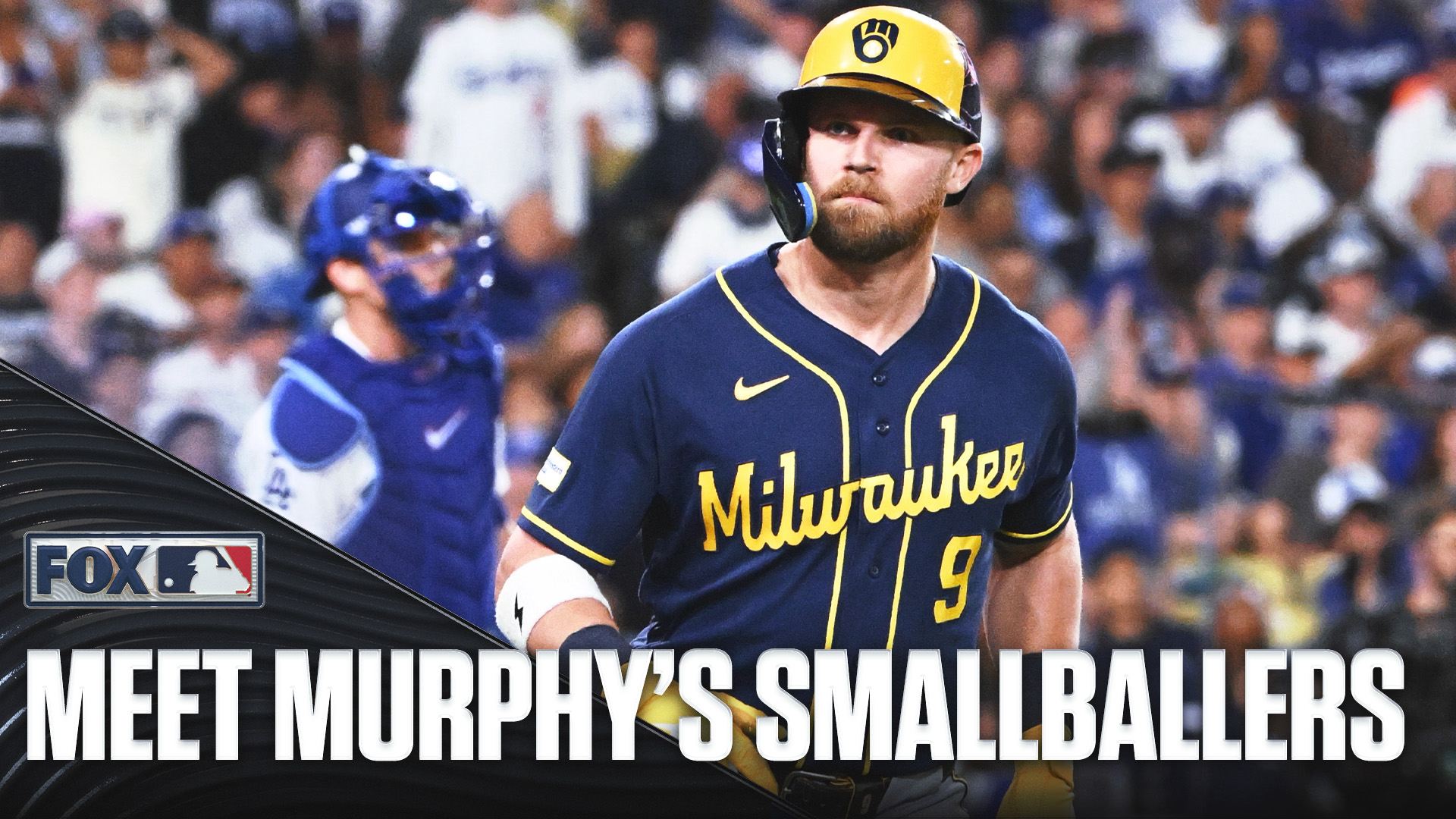
In 1982, Harvey Kuenn’s Brewers led the majors with 216 home runs, 30 more than the second-place Angels, and lost the World Series to the Cardinals in seven games. That lineup had no easy outs and power throughout. The 2026 version, managed by Pat Murphy, also has no easy outs, but the methods are different. Milwaukee’s offense stresses batting average, on-base percentage, walks, speed, sacrifice hits and patient at-bats. The home run is a situational tool, not the plan.
The regular-season numbers reflect that identity. Jake Bauers led the team with 26 home runs, Jackson Chourio hit 25 and Brice Turang hit 21. No other Brewers player reached 20. David Hamilton, known for speed and defensive versatility, hit four home runs in 121 games and batted ninth. Milwaukee ranked 22nd with 166 home runs in 2025, 16th with 177 in 2024 and 25th with 165 in 2023, yet won the NL Central with 92 or more wins in each of those seasons and again in 2026. Recent postseasons, however, did not produce enough home runs for deep runs.
Timely swings, not a power surge
This October, the power has arrived in key moments. Entering the World Series, the Brewers led all 2026 postseason teams with 10 home runs. In NLDS Game 1 against the Padres, Chourio hit a game-tying two-run homer off Robbie Ray, and William Contreras hit a go-ahead homer off Adrian Morejon in the seventh. In NLCS Game 3 against the Dodgers, Chourio led off with a first-pitch homer off Blake Snell, and Bauers followed with a go-ahead homer after an 11-pitch at-bat against Snell. Bauers was named NLCS MVP.
NLCS Game 4 in Los Angeles provided the clearest illustration. The Dodgers led 4-0 after Shohei Ohtani hit a three-run home run. Milwaukee tied the game with a small-ball approach, then took the lead when Garrett Mitchell led off the sixth with a go-ahead homer off Tanner Scott. In the ninth, Hamilton hit a solo insurance homer off Edwin Díaz, a 402-foot drive to right-center on a 90 mph slider over the middle. The Dodgers bullpen issued four walks and the Brewers stole two bases in the game.
Hamilton's bunt and the element of surprise
Hamilton’s homer came after a third-inning bunt with two outs that was thrown out for the final out of the inning. Murphy said asking Hamilton to bunt early changed how the Dodgers pitched him later. Hamilton said his approach was to put a good swing on the ball, and that the team should not try to hit home runs. He added that few Brewers hit 20 homers and that small ball is their game, though the team can homer when needed.
Cooper Pratt described the approach as not selling out for power. He said several Brewers could hit 30 or more homers, but the plan is to get on base, steal, bunt runners over and drive in runs. Bauers said no one tries to hit home runs; instead, good at-bats and wearing down pitchers create home run chances. The intention, he said, is making it hard for the pitcher.
Next up: Tampa Bay
The Brewers will face the Tampa Bay Rays in the World Series. Game 1 is scheduled for Friday at 8 p.m. ET on FOX. For a franchise that last reached the World Series 44 years ago with a power-heavy identity, the 2026 path has been built on a different set of strengths — and on home runs that have arrived exactly when needed.