Apple has refreshed its smallest tablet, and the iPad mini 2026 now sits at the bottom of a four-tier lineup that stretches from an 8.5-inch slate to a 13-inch powerhouse. The update brings a new display technology and chip to the mini, but the rest of the range has also moved forward, making a side-by-side look useful for anyone weighing size against capability.
The mini: small frame, new tricks
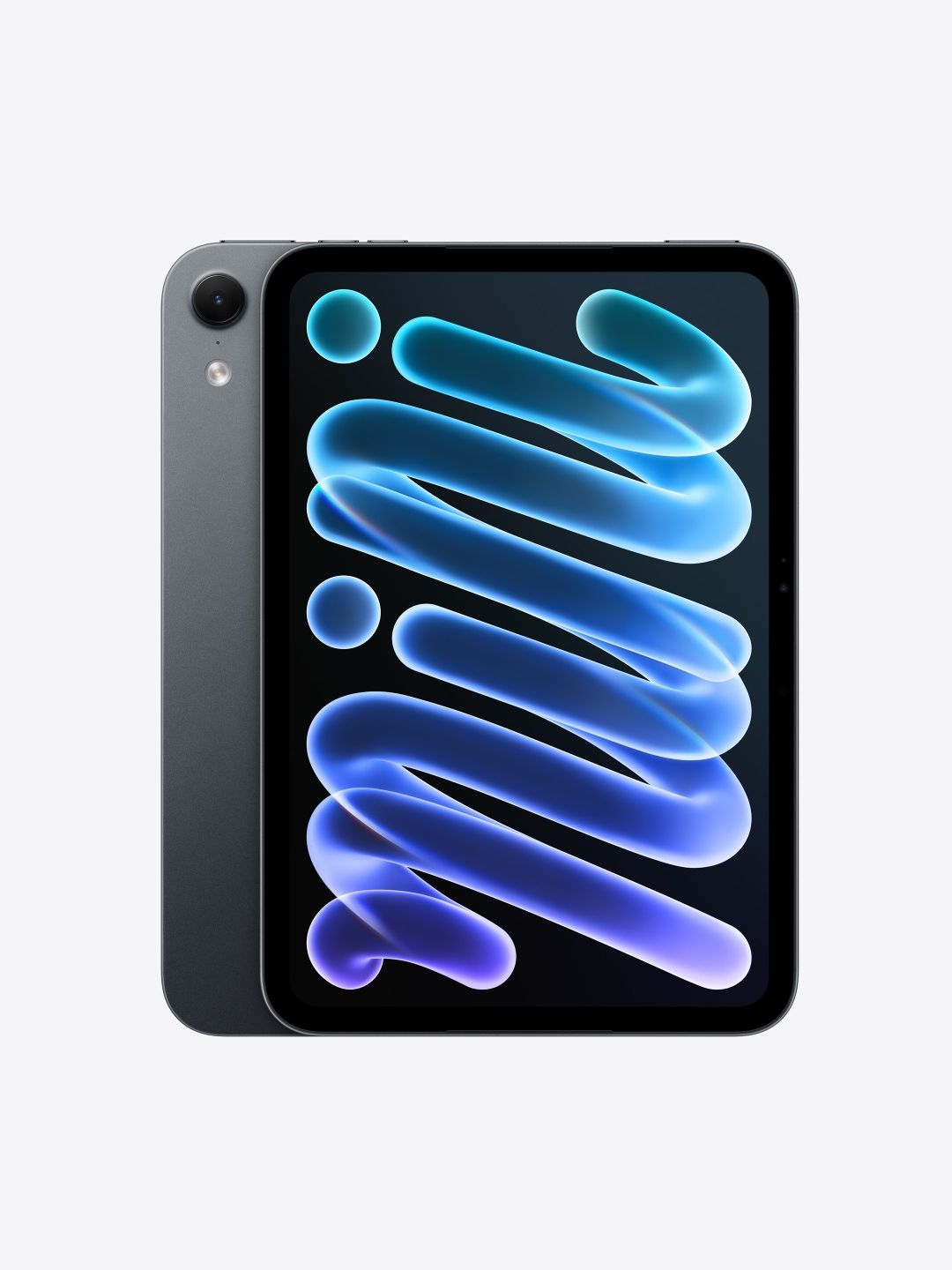
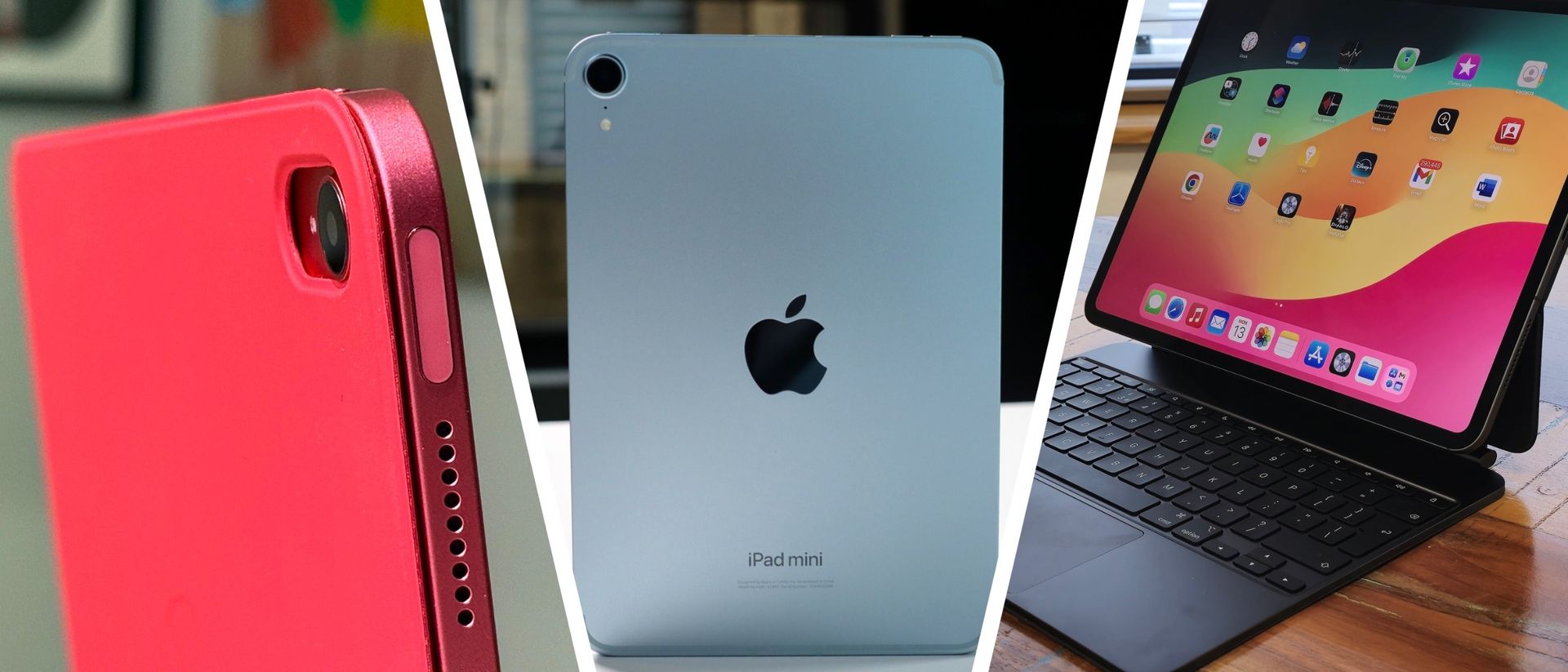
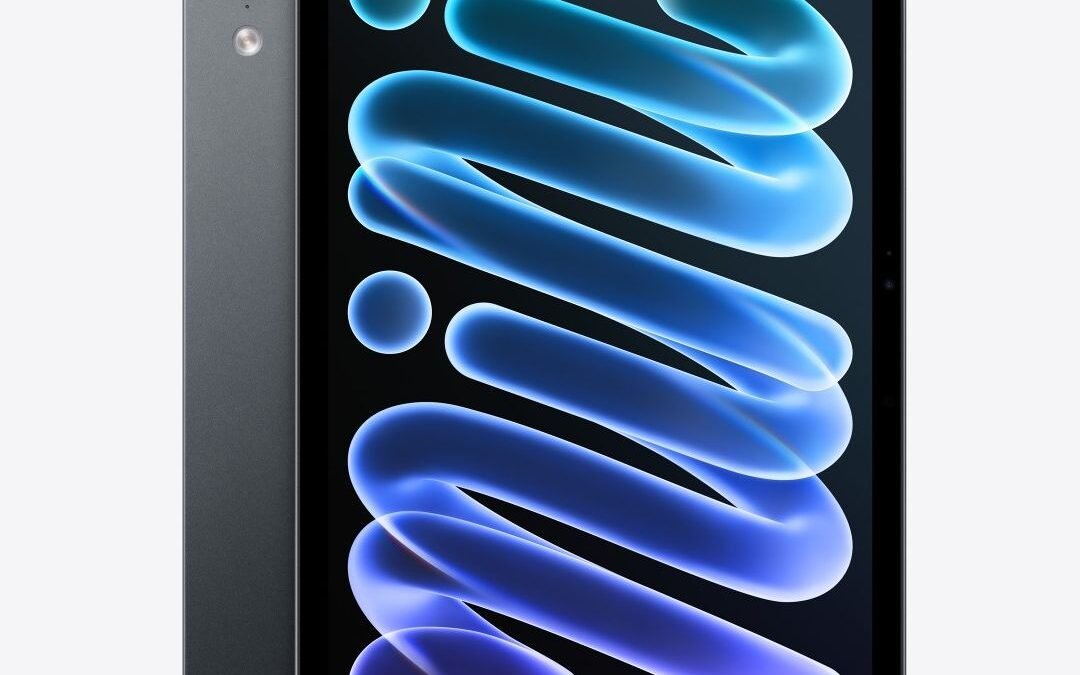
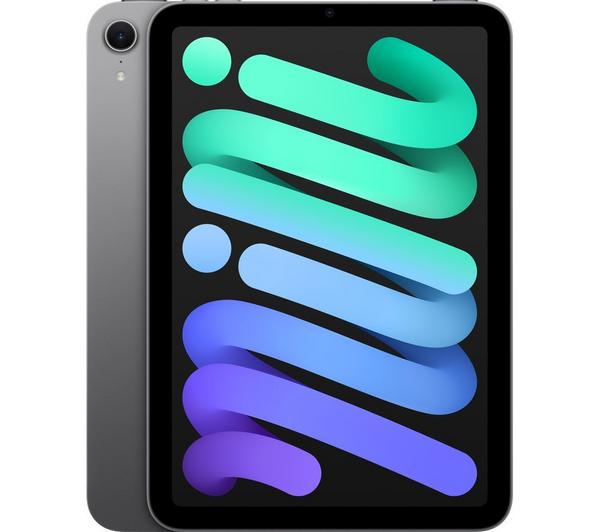
At 8.5 inches, the iPad mini 2026 has a slightly larger screen than the 8.3-inch panel on its predecessor. It is the only model in the current range with an OLED Super Retina XDR display, and it runs on the A20 Pro chipset. Apple offers storage in 128GB, 256GB or 512GB configurations. The tablet weighs 255g and measures 5.4mm thick, keeping it the lightest and slimmest option overall. Touch ID handles sign-in, and the color choices are limited to Starlight and Midnight. It lacks ProMotion, and the price can climb quickly with higher storage.
The standard iPad: the affordable entry
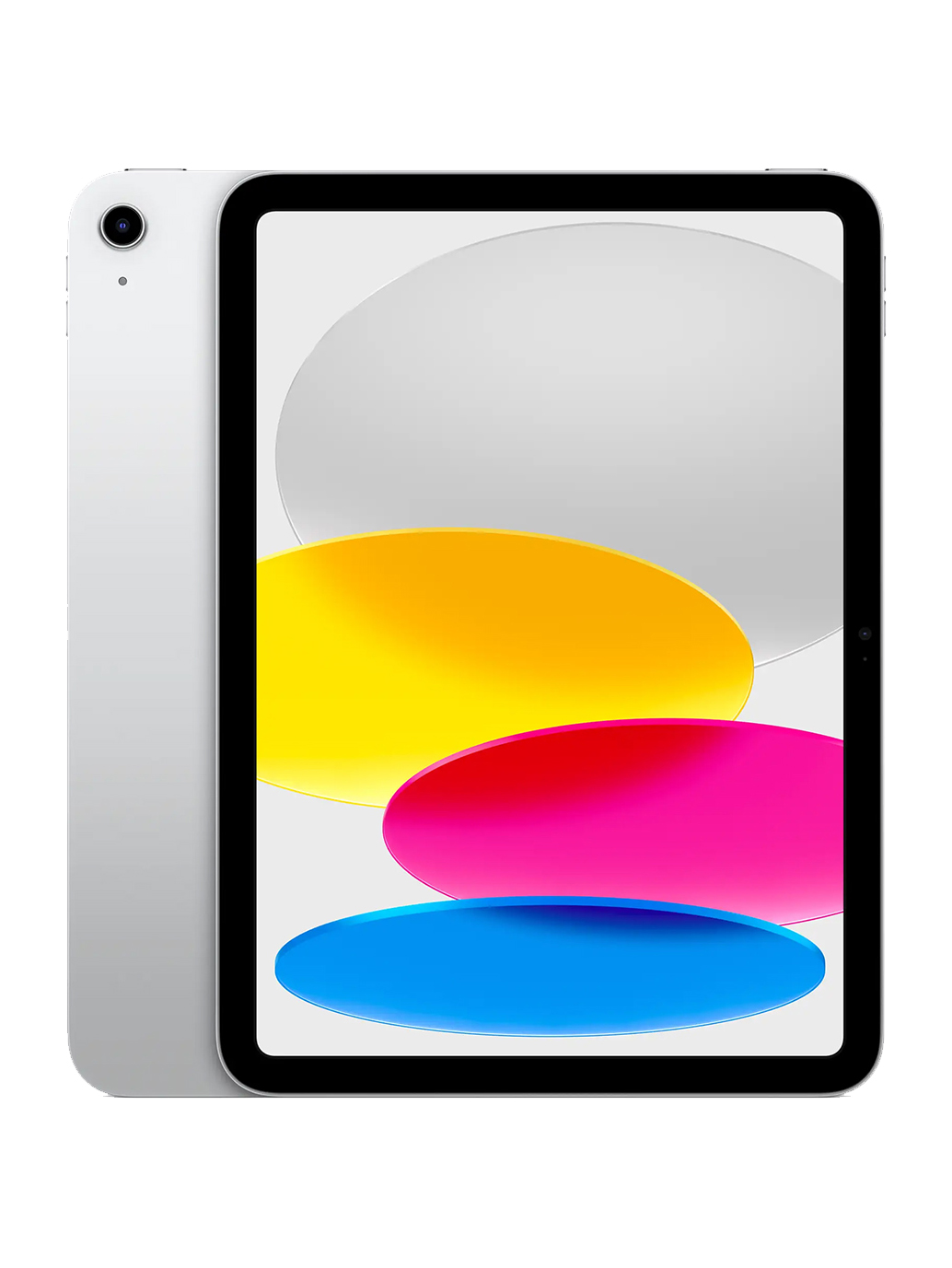
The 11th-generation iPad arrived in 2025 with an A16 chip and a Liquid Retina display. Its 11-inch screen is the only size available, and at 7mm thick it is the chunkiest tablet in the lineup. At 477g, it is also heavier than the mini by a wide margin. Storage tops out at 512GB, matching the mini. This is the only iPad that does not include Apple Intelligence. Touch ID is present, and the device starts with 128GB of storage.
iPad Air: the middle ground gets an M4
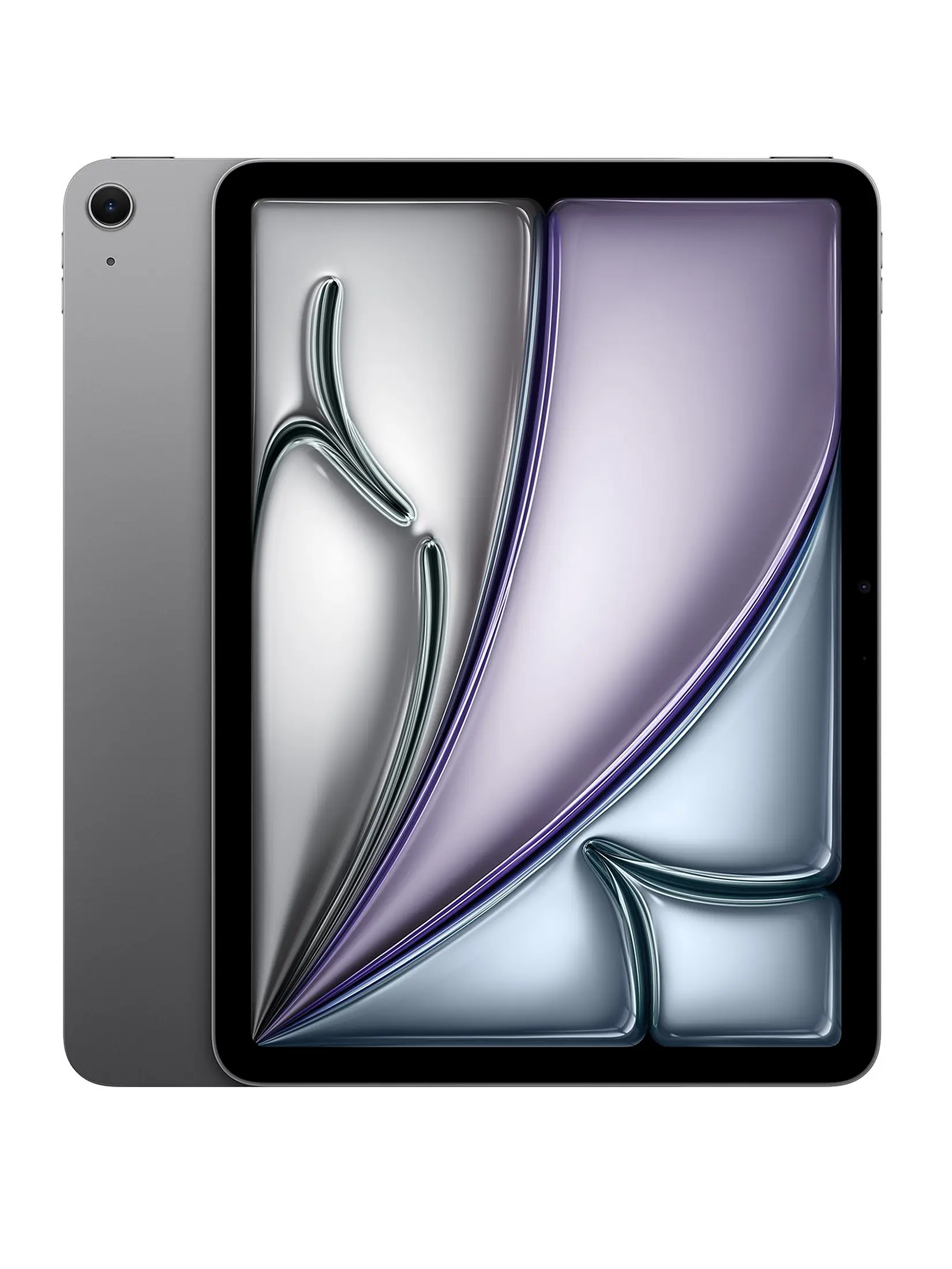
The 8th-generation iPad Air, released in 2026, runs on Apple’s M4 chip. Buyers can pick an 11-inch or 13-inch model. The 11-inch version weighs 464g and is 6.1mm thick, while the 13-inch version is heavier at 616g. Storage goes up to 1TB, a step above the mini and standard iPad. The Air supports the Apple Pencil Pro and uses Touch ID. Its Liquid Retina display is not ProMotion-capable, and the design carries over from the previous generation without major changes.
iPad Pro: the top tier
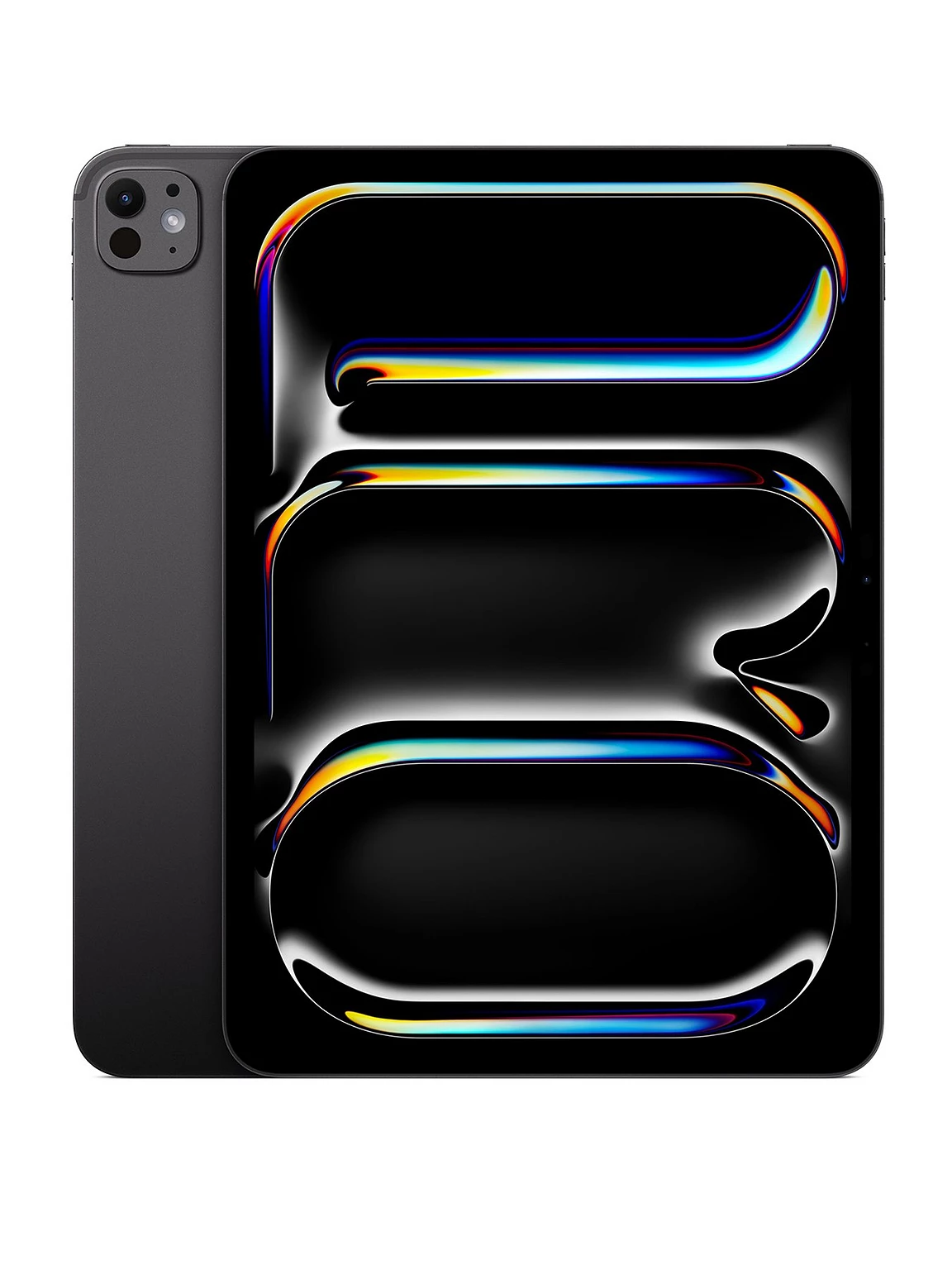
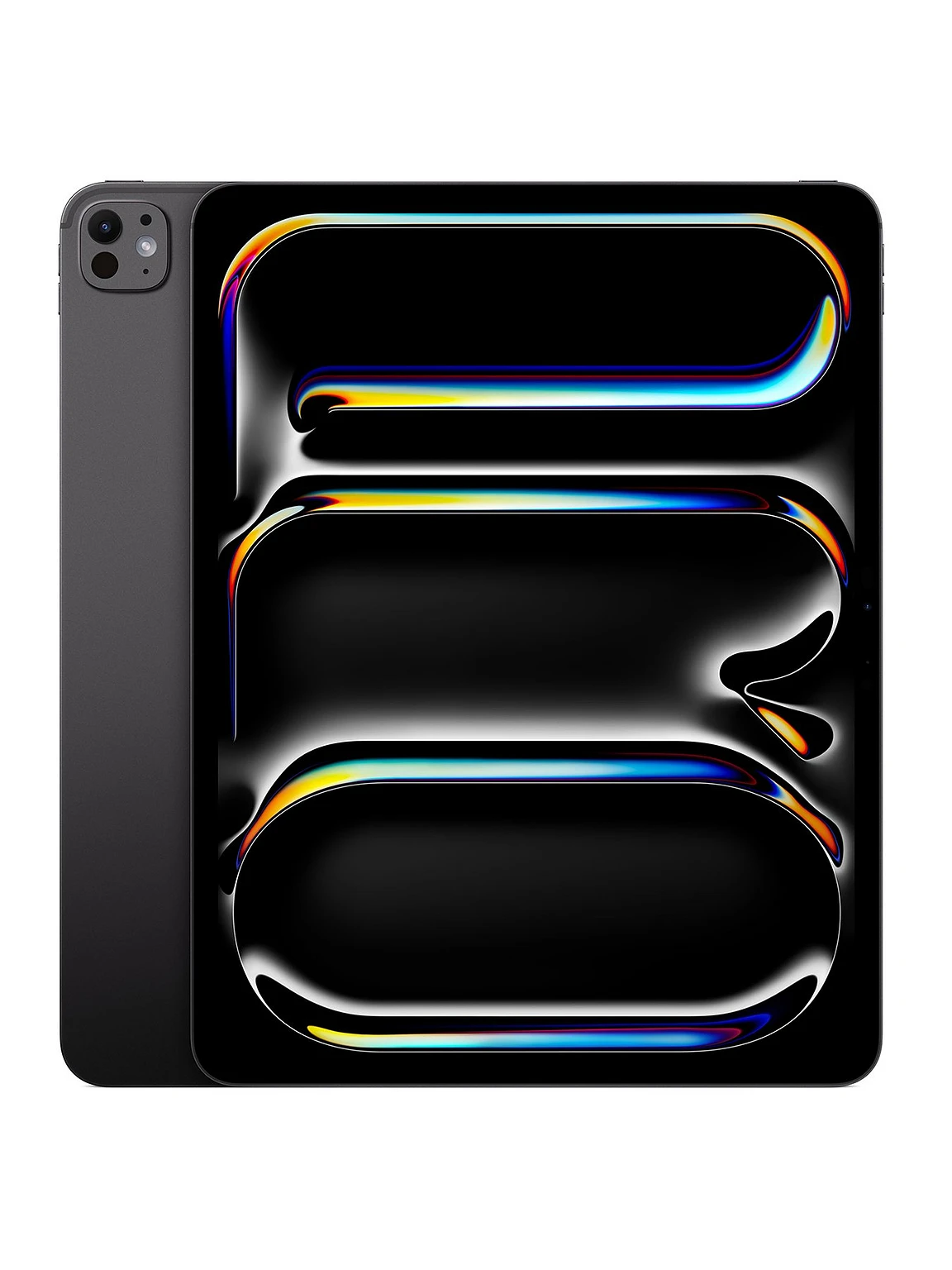
The 8th-generation iPad Pro, launched in 2025, is built around the M5 chip. Apple still sells the 7th-generation model from 2024 with an M4 chip. Both come in 11-inch and 13-inch sizes. The 11-inch Pro weighs 444g and is 5.3mm thick; the 13-inch model weighs 579g and measures 5.1mm. Storage ranges from 256GB to 2TB. The Pro uses Face ID instead of Touch ID, offers an Ultra Retina XDR display, and works with the Apple Pencil Pro and Magic Keyboard. It also includes studio-quality microphones.
Specs at a glance
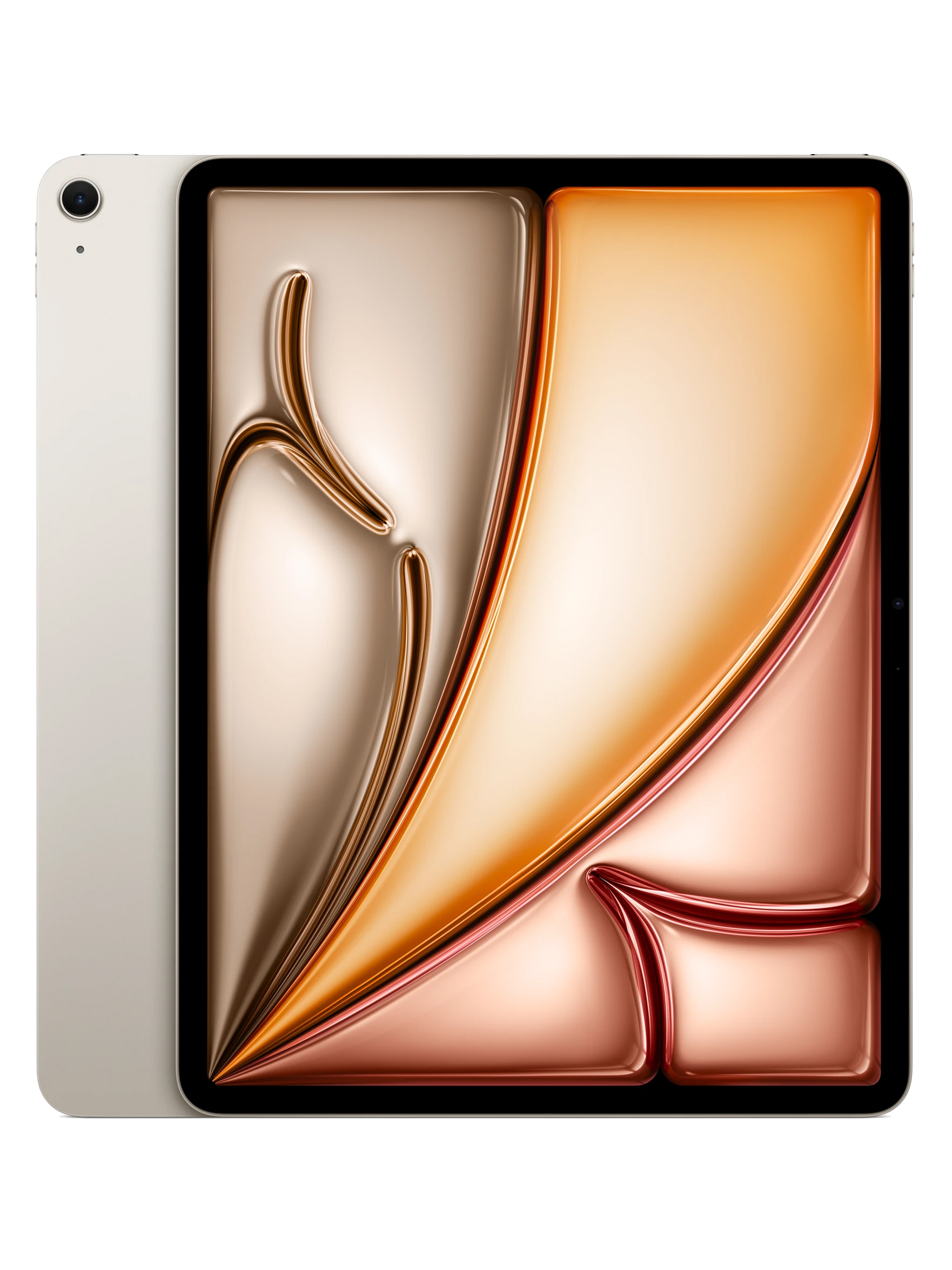
- iPad mini (2026): 8.5-inch OLED, A20 Pro, 128–512GB, 255g, 5.4mm, Touch ID
- iPad (2025): 11-inch Liquid Retina, A16, 128–512GB, 477g, 7mm, Touch ID
- iPad Air (2026): 11- or 13-inch Liquid Retina, M4, 128GB–1TB, 464g or 616g, 6.1mm, Touch ID
- iPad Pro (2025): 11- or 13-inch Ultra Retina XDR, M5, 256GB–2TB, 444g or 579g, 5.3mm or 5.1mm, Face ID
The mini’s OLED panel and low weight set it apart, while the Pro’s Face ID, larger storage ceiling and high-end display define the top end. The standard iPad remains the thickest and the only one without Apple Intelligence, and the Air occupies the middle with an M4 chip and a 1TB option. Each tier now has a clearer identity than before, with the mini trading screen size for portability and the Pro trading portability for power.