Nvidia RTX 50 price hikes are landing again this week, and the flagship model is taking the heaviest hit. The company has begun notifying buyers that its current-generation graphics cards will cost more, with the RTX 5090 climbing by nearly $500 on top of an already steep $6,000 shelf price at Best Buy. The move follows an earlier warning in August that the entire RTX 50 lineup could rise by as much as 15%.
Where the increases land

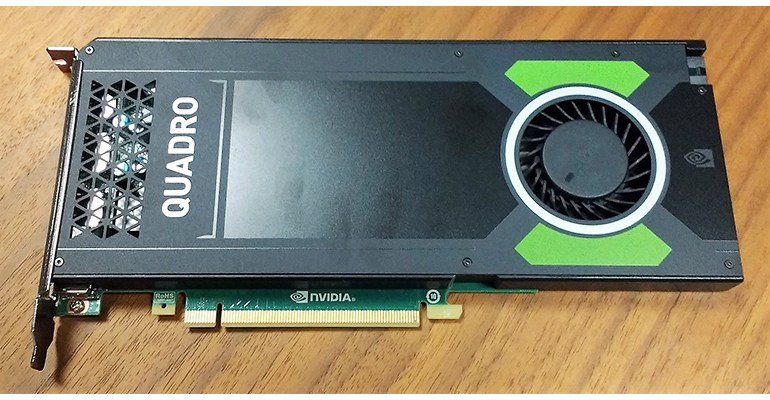
The RTX 5090 carries the largest single jump, adding close to $500 to a card that was already positioned at the top of the consumer market. Lower-tier options fare better, though not comfortably. The RTX 5050 and RTX 5060 are expected to see bumps in the $30–$60 range. For shoppers already weighing hype against real-world performance, even a modest increase adds friction to an already expensive purchase.
Older generations are not part of the official change. Nvidia’s RTX 40 and RTX 30 cards are not directly affected by the decision. That does not guarantee stable prices on those older models, however. Resellers may seize the moment to raise their own margins or buy up inventory for marked-up second-hand sales.
The memory shortage behind the move

The backdrop is a global memory shortage driven by AI demand. As Nvidia and other chipmakers divert raw resources and manufacturing capacity toward AI chips and data-center hardware, consumer graphics cards face tighter supply and higher costs. The company has been candid that its RTX 50 line would feel the pressure, and this week’s notices put that warning into practice.
The timing matters for anyone building or upgrading a PC. A $500 increase on the RTX 5090 pushes it further into luxury territory, while the smaller increases on the RTX 5050 and RTX 5060 still raise the entry point for budget-conscious buyers. Neither change comes with a performance bump or new feature set; the cards are the same products at higher prices.
AMD and Intel hold steady, for now
Neither AMD nor Intel has announced matching increases. Both companies have stayed quiet about their own graphics card pricing plans, and neither is making immediate changes in response to Nvidia’s decision. That silence leaves room for a wait-and-see approach, but it is not a promise of stable prices indefinitely.
The same market forces squeezing Nvidia apply across the industry. As AI data centers absorb more memory and manufacturing capacity, the pressure on consumer GPU pricing is unlikely to stay contained to one brand. AMD and Intel may eventually follow with increases of their own, though neither has confirmed any timeline or scope.
What buyers should watch
- RTX 5090: nearly $500 higher, on top of a $6,000 Best Buy price.
- RTX 5050 and RTX 5060: roughly $30–$60 more.
- RTX 40 and RTX 30 series: not directly affected, but resale prices could rise.
- AMD and Intel: no immediate changes announced; both companies remain silent on future plans.
For now, the official changes apply to Nvidia’s RTX 50 family. Shoppers comparing cards should keep an eye on reseller listings as well as retail shelves, since secondary-market markups can arrive faster than formal price updates. The broader memory shortage shows no sign of easing, which means the question is less whether other brands will adjust prices and more about when.