
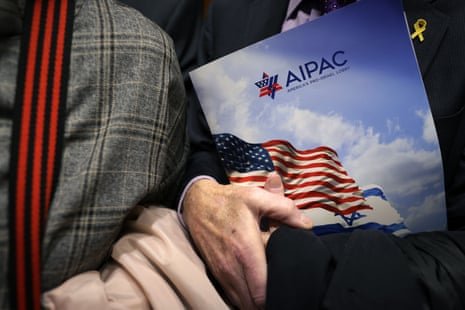

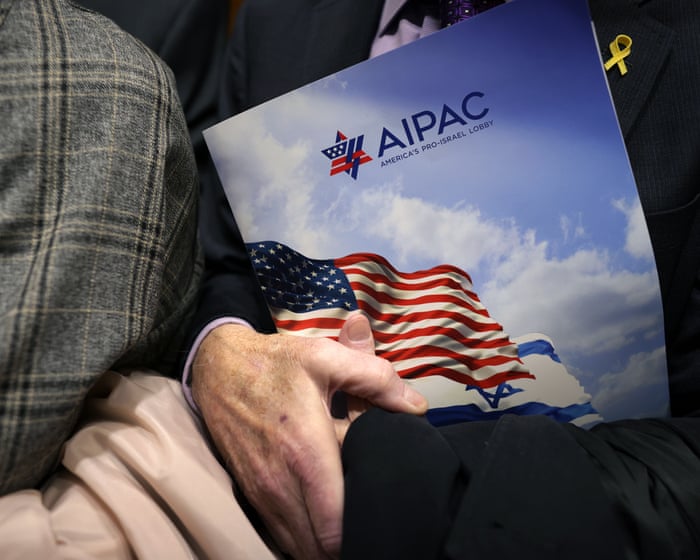
Aipac stops endorsements and direct contributions, the pro-Israel lobby group announced Wednesday, ending a three-cycle practice while preserving its Super Pac and the individual donations that flow through its member network.
The change was disclosed in a letter to members first reported by Jewish Insider. In it, Aipac described 2026 as one of the most challenging environments in memory and predicted that future challenges will grow. The group said it must build a more strategic, consequential and nimble political operation.
What Aipac is not doing is leaving the electoral arena. United Democracy Project, its Super Pac, will remain in operation. Aipac members and individual donors will keep funding pro-Israel candidates. A spokesperson said member contributions far exceed what the group’s political action committee gives directly.
What changes and what stays
The numbers illustrate the balance. Aipac members contributed over $90 million to candidates this cycle, according to the spokesperson. The PAC itself contributed $3 million directly. The Super Pac remains the main source of campaign donations.
Aipac launched its PAC and endorsements three election cycles ago. In its letter, the group said the only tactic it is married to is the most effective one. It did not respond to a request for comment.
Critics said the announcement removes a signaling tool for donors. Endorsements told supporters which candidates Aipac favored; without them, the group’s spending may be harder to track through that channel.
Backlash and setbacks

The shift follows a period in which support for Israel has become a political liability in some races, as US public opinion on Israel has shifted during the Gaza war. Aipac normally backs Democrats, and critics have increasingly called out candidates over their Aipac ties.
The group suffered major setbacks in Michigan and New Jersey. In Michigan’s Senate race, Aipac spent $32 million against Abdul El-Sayed in the primaries. The New York Times reported Wednesday that Aipac planned up to $9 million for a PAC backing Republican Senate candidate Mike Rogers.
In New York, Democratic congressman Pat Ryan announced last week that he would return nearly $250,000 in Aipac funds. More than a dozen past Aipac-funded candidates have publicly distanced themselves from the group.
Aipac claimed it helped 290 candidates this cycle and that 29 candidates it called anti-Israel were defeated.
How the move is being read
Trita Parsi, a political analyst, said Aipac’s name now carries toxicity and that the group is avoiding branding donations. Beth Miller, political director of Jewish Voice for Peace Action, said Aipac had admitted its brand is toxic and that being pro-genocide is bad politics. She added that Aipac will continue driving tens of millions into elections.
Dion Nissenbaum, a journalist who published a documentary on Aipac this week, described the announcement as the first real admission that the campaign strategy backfired. He also said the Super Pac may be a reinvention without ceding the battlefield.
Hady Amr, a former State Department official, called the move a return to a tried and true approach. Hamid Bendaas of the Institute for Middle East Understanding Policy Project said Aipac is experimenting with less traceable support and compared the move to an animal chewing its leg off to escape a trap.
Groups including TrackAipac and the Reject Aipac campaign monitor Aipac funding. They vowed to continue fighting Aipac’s election spending.
What remains unclear
The practical effect of dropping endorsements on future races is not yet known. Nor is the full list of candidates who have distanced themselves, Aipac’s total spending across all channels this cycle, or whether the group will resume endorsements in future cycles. The details of its internal decision-making have not been disclosed.



[…] Aipac Halts Endorsements and Direct Contributions, but Keeps Super Pac Spending […]