slower data center builds — Data center stocks came under heavy selling pressure after the election, with many names losing roughly a third of their value in three trading days. That drop came on top of declines of 30% to 40% from earlier peaks. The sharp move raises a question that investors are now confronting: will data centers get canceled in the post-election period? The answer, according to the analysis, hinges less on politics and more on the availability of capital.
Capital, Not Regulation, Drives the Buildout
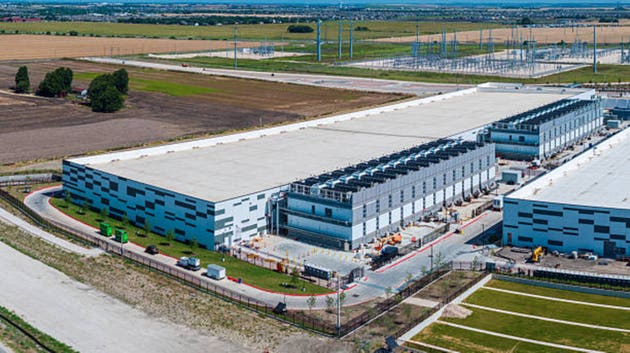
The central argument is that capital determines whether data center projects move forward. Regulation is not the deciding factor. This distinction matters for how investors read the selloff. If policy were the main lever, election outcomes would carry more weight. Instead, the constraint is financing, and that constraint is tightening as builds slow and compute becomes scarcer.
The source material does not offer a detailed explanation of why capital is the binding constraint, but it frames the issue clearly: the buildout depends on money being available to fund it. When capital is harder to come by, projects can be delayed or shelved regardless of the regulatory environment.
Texas Is Not the Concern
The analysis also addresses a specific geographic worry, stating that Texas is not a source of concern. That point is made directly, without elaboration on the reasons. For investors trying to sort through regional risks, the takeaway is that Texas does not belong on the list of problem areas in this view.
The focus on Texas likely reflects how much data center activity is associated with the state, but the source does not provide supporting details. What it does make clear is that the concern lies elsewhere, tied to capital availability rather than to any single market.
What the Selloff Reflects
The magnitude of the decline is notable. A one-third loss in three trading days is a violent move for any sector, and it compounds the earlier drawdown of 30% to 40% from peak levels. Such moves often reflect a repricing of expectations rather than a change in underlying fundamentals. In this case, the repricing appears connected to fears that slower builds and scarcer compute will weigh on the companies tied to data center infrastructure.
The source does not list which specific companies were hit hardest, though the tickers cited span ETFs and major technology names. The broad-based nature of the decline suggests that investors were not making fine distinctions during the selloff.
The Question Investors Are Asking
The headline question, whether data centers will be canceled after the election, captures the anxiety driving the market. Cancellations would represent a more severe outcome than delays, and the possibility is now part of the conversation. The analysis does not predict that cancellations will happen. It instead redirects attention to the capital constraint as the factor that will determine the sector’s direction.
That framing is useful because it moves the debate away from election-driven speculation and toward financing conditions. If capital remains available, projects can proceed. If it does not, slower builds and scarcer compute become the reality that stocks are already beginning to reflect.
Bottom Line
The data center trade has been hit hard, and the post-election selling has intensified the pressure. The key variable to watch is not regulation but capital. Texas is not the worry. The worry is whether the money needed to sustain the buildout will be there, and the market’s recent behavior suggests investors are not yet convinced.