

Tesla has confirmed that its Cybertruck production wind-down will begin in the middle of 2027, ending assembly of the stainless-steel pickup at the company’s Texas Gigafactory. Elon Musk announced the decision on X, explaining that the factory floor currently used for the truck will be reallocated to boost output of the upcoming Cybercab, an autonomous robotaxi designed without a steering wheel or pedals.
The confirmation leaves the Cybertruck’s long-term future uncertain. Musk did not indicate whether manufacturing might shift to another facility or whether the model would be discontinued entirely. For now, the only publicly stated plan is to stop building the vehicle in Texas during the 2027 window, a move that would mark the end of a notably turbulent chapter in Tesla’s product history unless a new production site emerges.
A Promising Debut That Never Met Its Targets
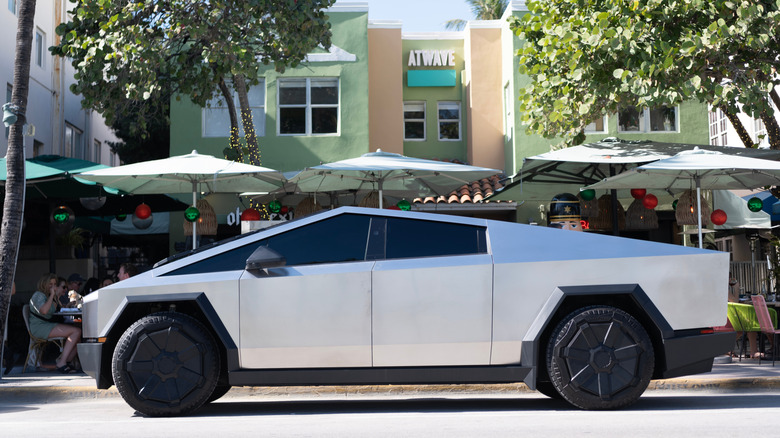
When the Cybertruck was first shown in November 2019, it generated enormous attention for its angular, stainless-steel body and a design unlike anything else in the pickup segment. The initial excitement, however, did not translate into the commercial performance Tesla had projected. The company originally aimed to sell roughly 250,000 units per year, but actual deliveries tell a very different story.
Since customer deliveries began in late 2023, Tesla has sold approximately 71,000 Cybertrucks. That figure falls far short of the annual target and underscores the challenges the vehicle has faced in the marketplace. Pricing also diverged sharply from early promises: the entry-level version was initially touted at $39,900, but the cheapest available model eventually carried a sticker price of $59,900.
Recalls, Quality Concerns and a Polarizing Design
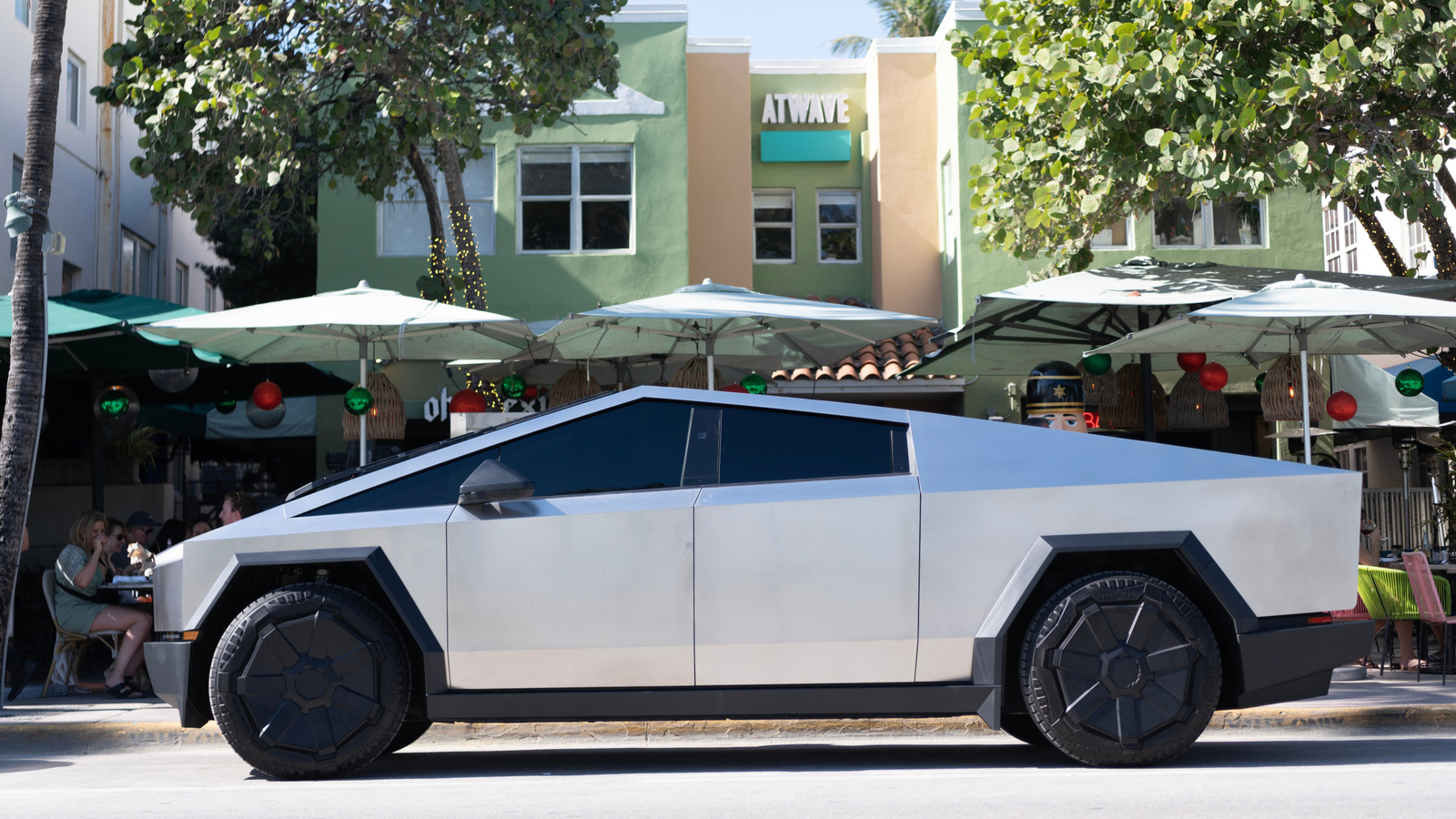
The Cybertruck’s difficulties extend beyond sales volume. The vehicle has been subject to multiple recalls and has drawn complaints related to quality control. Its unconventional styling, while appealing to some buyers, has been widely criticized elsewhere. Those factors combined to limit the truck’s appeal despite the intense initial interest that followed its reveal.
The decision to wind down production in Texas also reflects a broader reallocation of resources inside Tesla. By freeing up space at the Gigafactory, the company intends to increase manufacturing capacity for the Cybercab, which represents a different bet on the future of transportation. The Cybercab is intended to operate as a fully autonomous robotaxi, a concept that has been central to Musk’s public statements for years.
Cybercab Faces Its Own Set of Hurdles
The shift toward the Cybercab does not guarantee success. The vehicle is currently the subject of a federal investigation, and Tesla has yet to demonstrate fully autonomous self-driving capability despite more than a decade of development work. Those realities mean the robotaxi program carries substantial uncertainty of its own, even as it takes over factory space previously devoted to the Cybertruck.
For now, the Cybertruck remains in production until the middle of 2027. After that point, the Texas Gigafactory is expected to focus on the Cybercab, leaving the pickup’s fate dependent on whether Tesla chooses to continue it elsewhere. The announcement effectively sets a timeline for one of the company’s most talked-about vehicles, while raising fresh questions about the next product in line.


