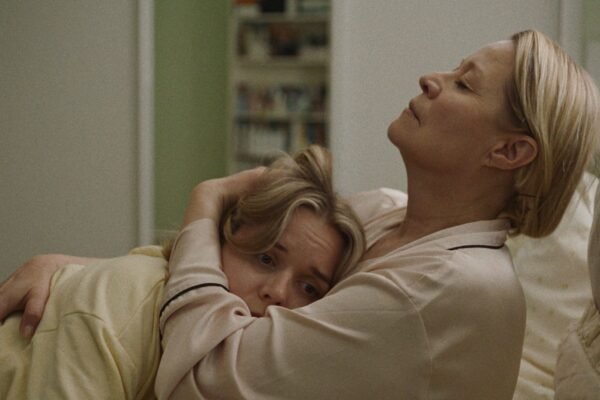
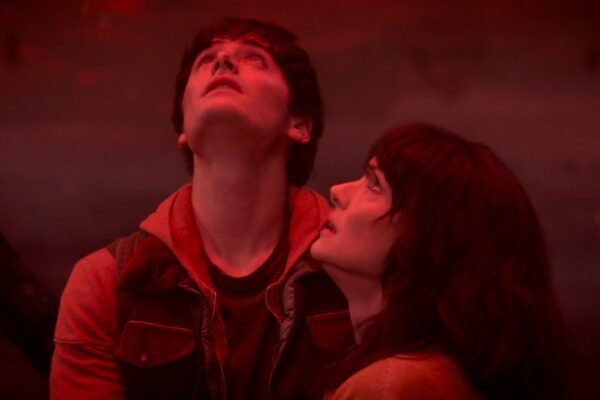
Torino Film Festival female directors — The Torino Film Festival is once more placing women behind the camera at the center of its program, with 10 of the 16 titles in its feature competition directed by women. That figure, reported for the second consecutive year, is now echoed in the festival’s short-film slate, which matches the same proportion of female directors. The lineup includes work involving Golshifteh Farahani, Renate Reinsve and Alicia Vikander.
A Competition Defined by Inclusion

Torino has built a reputation for supporting first and second features, and its main competitive section has become a prominent platform for emerging female filmmakers. The 10-out-of-16 split in the feature competition places the festival among the more inclusive events in Italy and beyond. Artistic director Giulio Base, however, rejects the idea that the numbers stem from a quota system, stating that the results are unrelated to such measures.
The short-film competition now reflects the same gender balance as the feature section. That parallel suggests the festival’s approach to representation extends across its programming rather than being confined to one category.
International Talent in the Spotlight

The presence of Farahani, Reinsve and Vikander brings international attention to the competition. Their involvement underscores Torino’s role as a meeting point for established performers and rising directors. The festival has long been known for championing early-career filmmakers, and this year’s edition continues that tradition while drawing high-profile names.
Torino's Model Under Scrutiny
Base’s insistence that quotas play no part raises questions about how the festival reaches its gender balance. The programming outcome, whatever its origins, stands out in a festival landscape where equal representation in competition slots remains uncommon. Torino’s example may prompt comparisons with other festivals as the industry continues to debate how to achieve inclusion without formal mandates.
The feature competition’s 10 female-directed films represent a significant share of the 16 total entries. Combined with the short-film selection, the festival presents a coherent front on gender representation. For filmmakers in the early stages of their careers, Torino’s competitive sections offer a visible launchpad.
What the Numbers Mean
Two consecutive years of 10 out of 16 in the feature competition indicate a sustained pattern rather than a one-off. The matching ratio in the short-film program reinforces that pattern. While the festival’s artistic leadership distances itself from quota-driven selection, the results are measurable and public.
Torino’s positioning as a showcase for rising female talent is therefore backed by the composition of its program. The involvement of Farahani, Reinsve and Vikander adds star power to a competition already notable for its gender balance. As the festival unfolds, the focus will be on the films themselves and on whether Torino’s model influences how other events approach their own selections.