
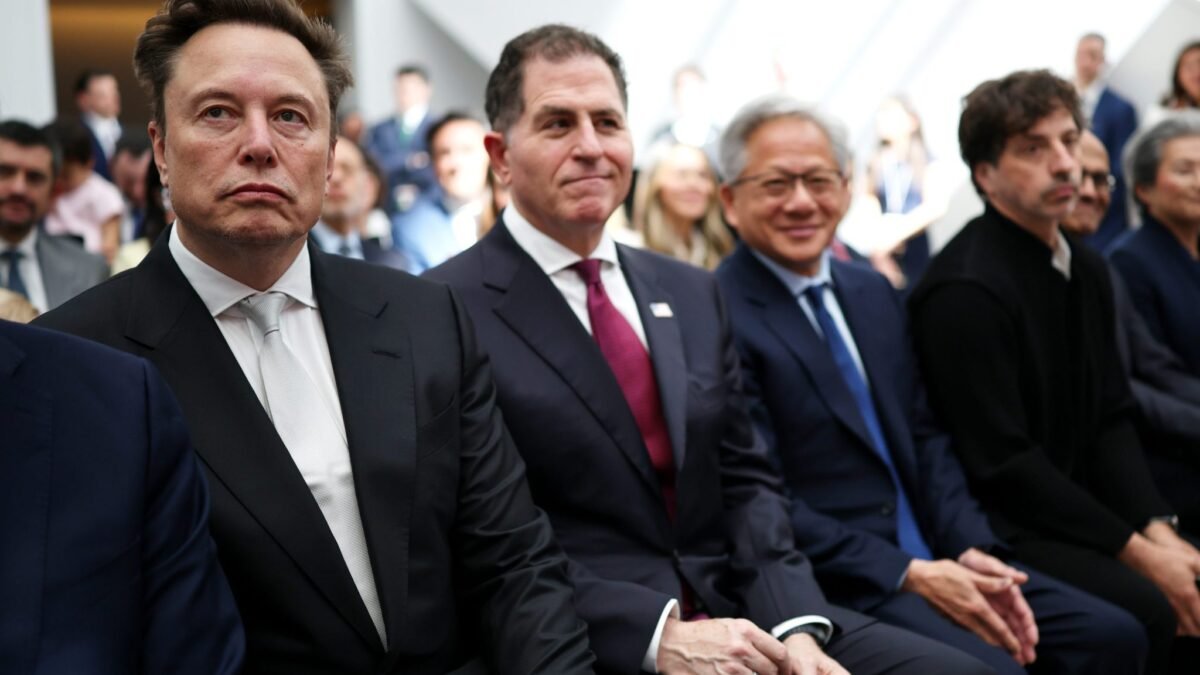
Elon Musk’s net worth falls $113 billion over two trading sessions, according to the Bloomberg Billionaires Index, as shares of Tesla and SpaceX retreated following the midterm elections. The decline, measured through the market close on Nov. 5, came as investors weighed the prospect of tougher congressional oversight of the billionaire’s companies.
A two-day reversal
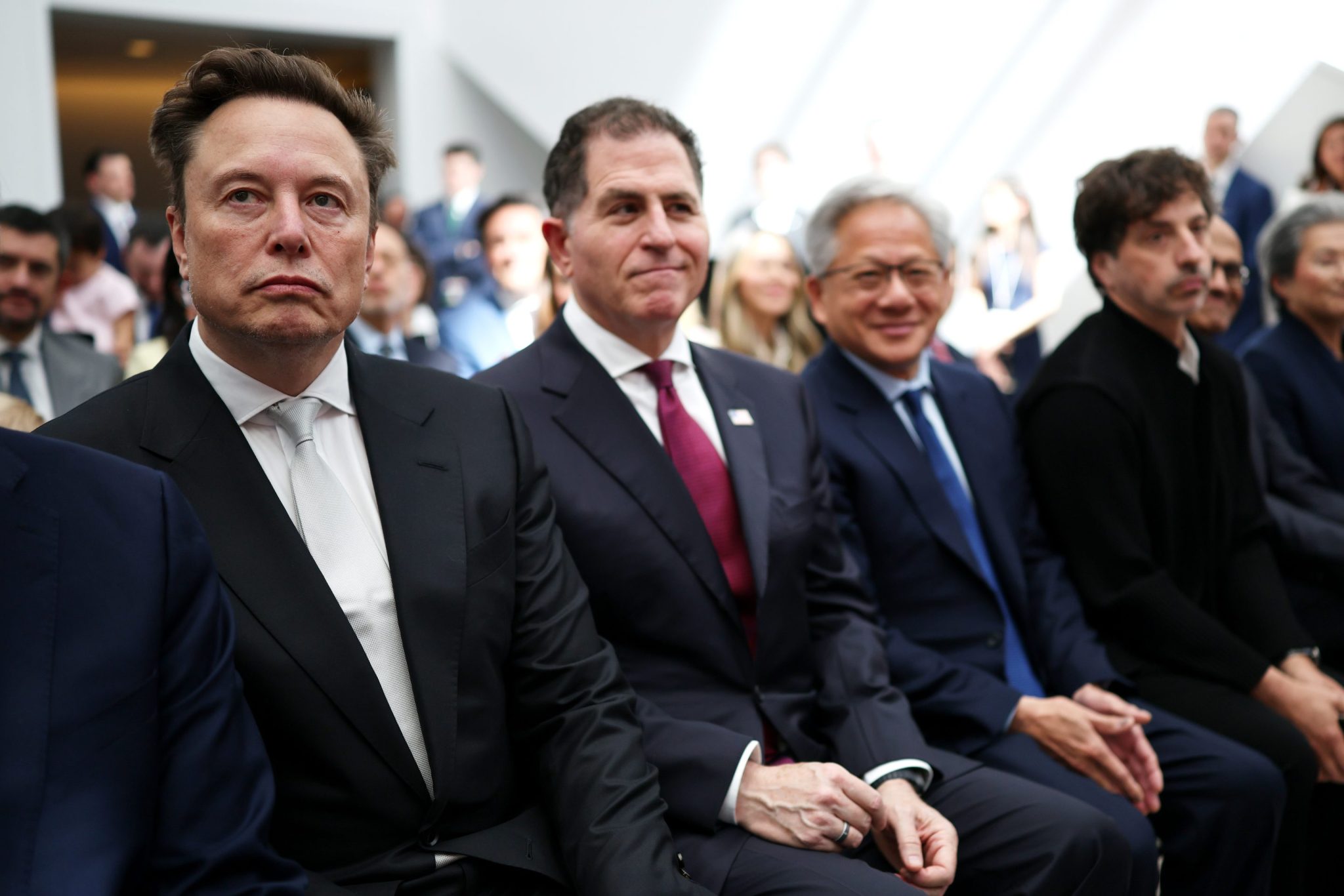
The drop unfolded over 48 hours. On Tuesday night, Tesla and SpaceX carried a combined market capitalization of roughly $3.5 trillion. By Thursday night, that figure had slipped to about $3.04 trillion, a loss of approximately $456 billion in combined value.
Musk’s paper wealth absorbed the hit in two stages. He lost $33.5 billion on the first day and another $79.7 billion during Thursday’s broader selloff, according to the Bloomberg index.
The two companies did not move in isolation. On Wednesday, the Dow climbed 3%, its strongest post-midterm performance in 44 years. Tesla shares nevertheless fell 3.3% and SpaceX shares dropped 3.8%, underperforming the S&P 500’s 1.6% gain as well as Amazon and Apple, which rose 6.1% and 5.3%, respectively.
Thursday brought a wider market reversal. The Dow gave up its midterm rally, falling 2.9% as investors sold off AI-related stocks including AMD and Micron.
By Thursday night, SpaceX’s market capitalization stood at $1.68 trillion, about 87% of its midterm-night value. Tesla was valued at $1.36 trillion, roughly 86% of its level from the same point.
Political scrutiny in focus
Investors are concerned that the two companies and their founder could face heightened scrutiny from the incoming Congress. Democrats have signaled they want to examine Musk’s role at DOGE and potential conflicts of interest, noting that SpaceX has received billions of dollars in federal contracts.
Rep. Robert Garcia, the incoming chair of the House Oversight Committee, has pledged to investigate corporate corruption. A spokesperson told Politico on Oct. 20 that Musk’s DOGE role is something the committee plans to investigate.
Keith Snyder, senior equity analyst at CFRA Research, said the attention is not surprising. He described Musk as a prominent target, pointing to his political donations, his election involvement and the controversies he stirred during his time at DOGE.
The scrutiny could also reach SpaceX’s satellite business, its most consistently profitable segment. Sen. Richard Blumenthal of Connecticut sent a letter to Musk asking about SpaceX’s Department of Defense contracts and the company’s ability to restrict Starlink service after reports that Ukraine’s military lost access without notice.
Snyder characterized the brief selloff in SpaceX and Tesla as a knee-jerk reaction to the election and said investors may be overestimating how much Democrats can accomplish. He noted that President Donald Trump retains veto power over any major AI restrictions and remains friendly toward Musk.
On a potential SpaceX-Tesla merger, Snyder said the Federal Communications Commission’s Republican majority makes major action unlikely, though Democrats could dramatically slow things down. He added that too many pieces are already in place for Musk, Tesla and SpaceX for Democratic action to derail his plans.
Dan Ives offered a more bearish view in a note on Thursday, writing that a Tesla-SpaceX merger faces a much tougher regulatory roadmap because Texas turned blue. That political shift, partly driven by voter anger over data centers, coincides with long-running investor concerns that the AI buildout is unsustainable.
Snyder said that anxiety may have contributed to the SpaceX selloff, though he noted the company has an advantage in having already broken ground on data centers.
On its third-quarter earnings call before the midterms, Musk said he was confident the company could bring 10 gigawatts of compute online by 2027, on top of the 2.5 to 3 gigawatts SpaceX expects by the end of 2026. SemiAnalysis, an AI and semiconductor research firm, calculated that the total would equal all of Google’s data center capacity from 1999 to 2026 in just 18 months.
Snyder said that even achieving 25% to 50% of that goal would be remarkable in terms of capacity buildout. He identified a Democrat win in the White House in two years as the bigger risk for SpaceX and AI generally, since the current arrangement of a Republican president and a Democrat-controlled Congress points to political gridlock.
He said the fears facing AI companies are real now, citing Democrats’ stated agenda to rein in AI. The period through 2028 looks like a stalemate, he added, but what happens in 2029 becomes the open question.