

Southeast Asian nations should resist treating the US healthcare model as a universal benchmark, according to Li Zhong, Asia-Pacific president of Walgreens Boots Alliance. Speaking at Fortune’s Southeast Asia 500 Summit in Ho Chi Minh City on Nov. 3, Li argued that while American medicine excels at advanced treatments, it delivers comparatively poor day-to-day health outcomes relative to its enormous cost.
The United States devotes about 17% of its GDP—roughly $5.6 trillion—to healthcare, Li noted. Yet Americans, despite long lifespans, spend fewer years in good health than people in Vietnam, a country that allocates just 4.6% of GDP to health. Li’s assessment was blunt: the US system may rescue patients in crisis, but it does not keep them well. “It saves your life, but it’s not very healthy,” he said, adding that he would not recommend it as a template for Southeast Asia.
Different countries, different routes
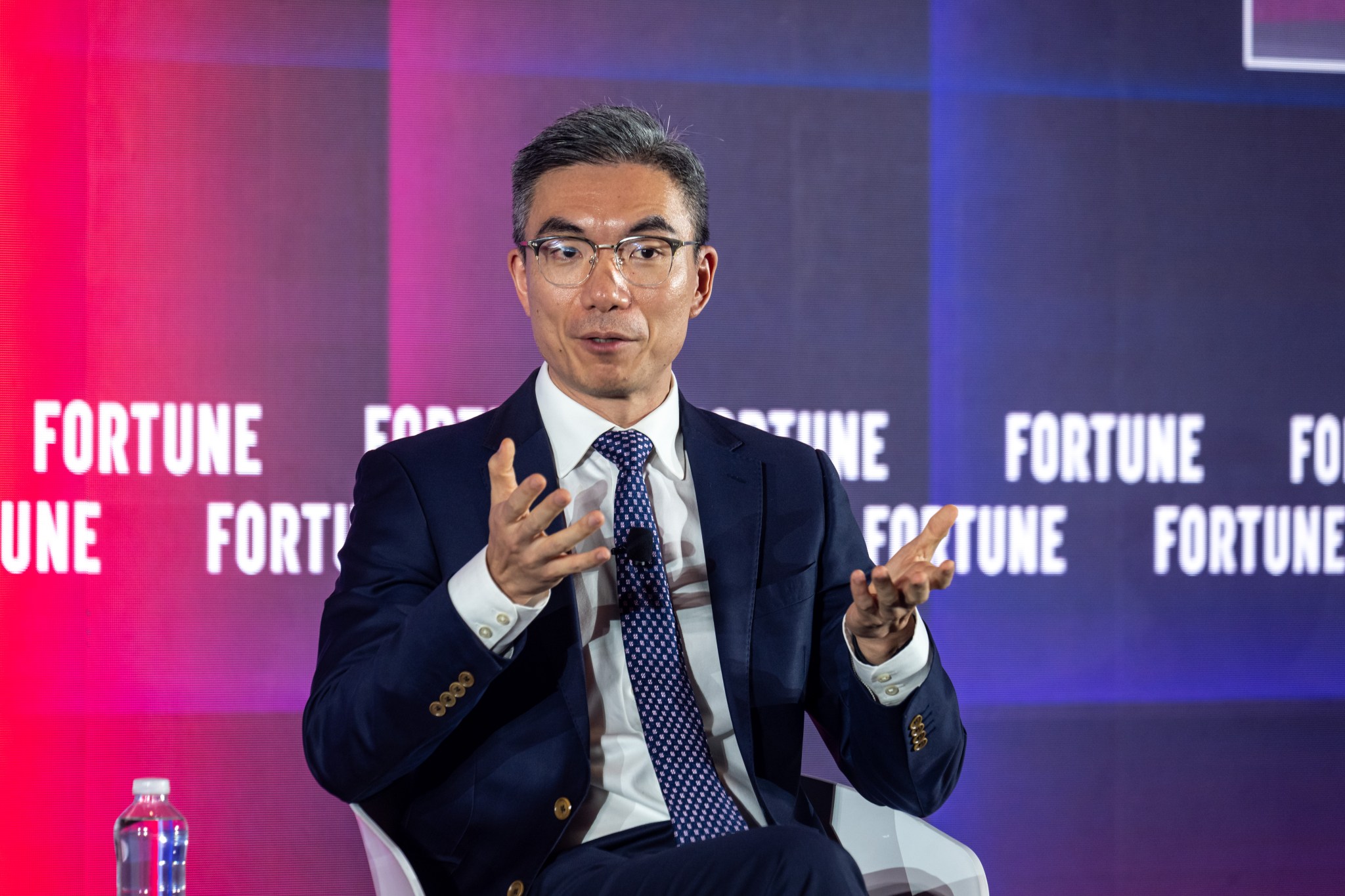
Li’s warning comes as Southeast Asian governments grapple with escalating health costs and a persistent shortage of specialist physicians. His advice is that each country must chart its own course rather than defaulting to American practices. “Every country is different and has to find its own route,” he explained. “What’s not right is to automatically reference the U.S. model.”
Demographics add urgency. Thailand, Malaysia, Singapore and Indonesia are all aging quickly, and with older populations comes a heavier burden of chronic illness. David Utama, president director of Indonesia’s largest private hospital chain, Siloam Hospitals, described the specialist gap in concrete terms. Indonesia has about 0.2 specialists per 1,000 people, he said, compared with roughly 0.5 in Malaysia and Thailand and 1.2 in Singapore. “The scarcity of specialists is becoming a burden,” Utama acknowledged.
Shifting care closer to home
To meet patient needs, healthcare operators across Asia are moving toward community-based models. IHH Healthcare, headquartered in Singapore and Malaysia, runs more than fifty primary care clinics through its Parkway Shenton network and provides ambulatory, diagnostic and rehabilitative services in residential areas. Siloam Hospitals is pursuing a similar strategy, building a network of primary care clinics to complement its 41 hospitals across Indonesia. Its website lists 25 clinics in cities including Palembang, Jakarta, Bali and Surabaya.
Pharmacies could also shoulder more responsibility, Li suggested. He cited the UK’s NHS Pharmacy First scheme, which lets patients in England visit participating Boots pharmacies for assessment and treatment of seven common conditions without a GP appointment. “It’s more cost-efficient to utilize community healthcare centers and pharmacies to help with everyday healthcare,” Li said. That efficiency, however, depends on well-trained pharmacists.
Partnerships and technology as levers
Both executives see public-private collaboration and emerging technology, including AI, as essential to affordable, high-quality care. Utama framed patient-centric healthcare as a joint effort: governments control access and scale, while the private sector contributes capability, innovation and speed. Siloam Hospitals has been investing in enterprise AI since late 2025, with plans to complete the foundational layer of its AI platform this year and then develop digital twins for patients, doctors and hospitals.
Utama offered a concrete example of the payoff. In intensive care units, he said, data analysis now allows staff to predict a patient’s deterioration 30 minutes before it happens—a stark contrast to the previous reality of reacting only after a decline. “For us to leapfrog, we need to adopt technology,” he concluded.