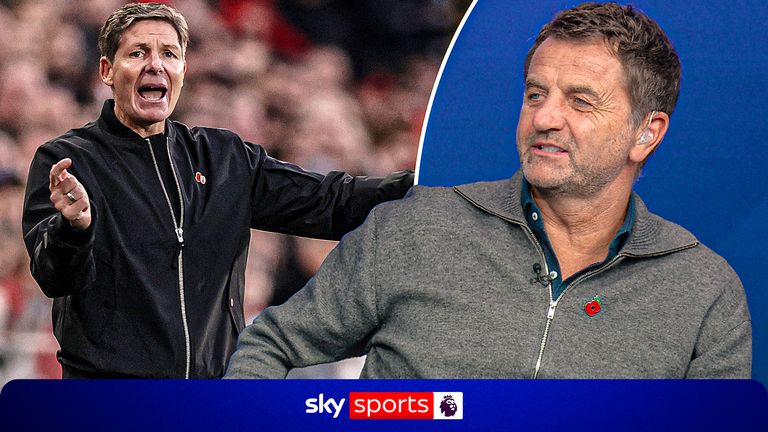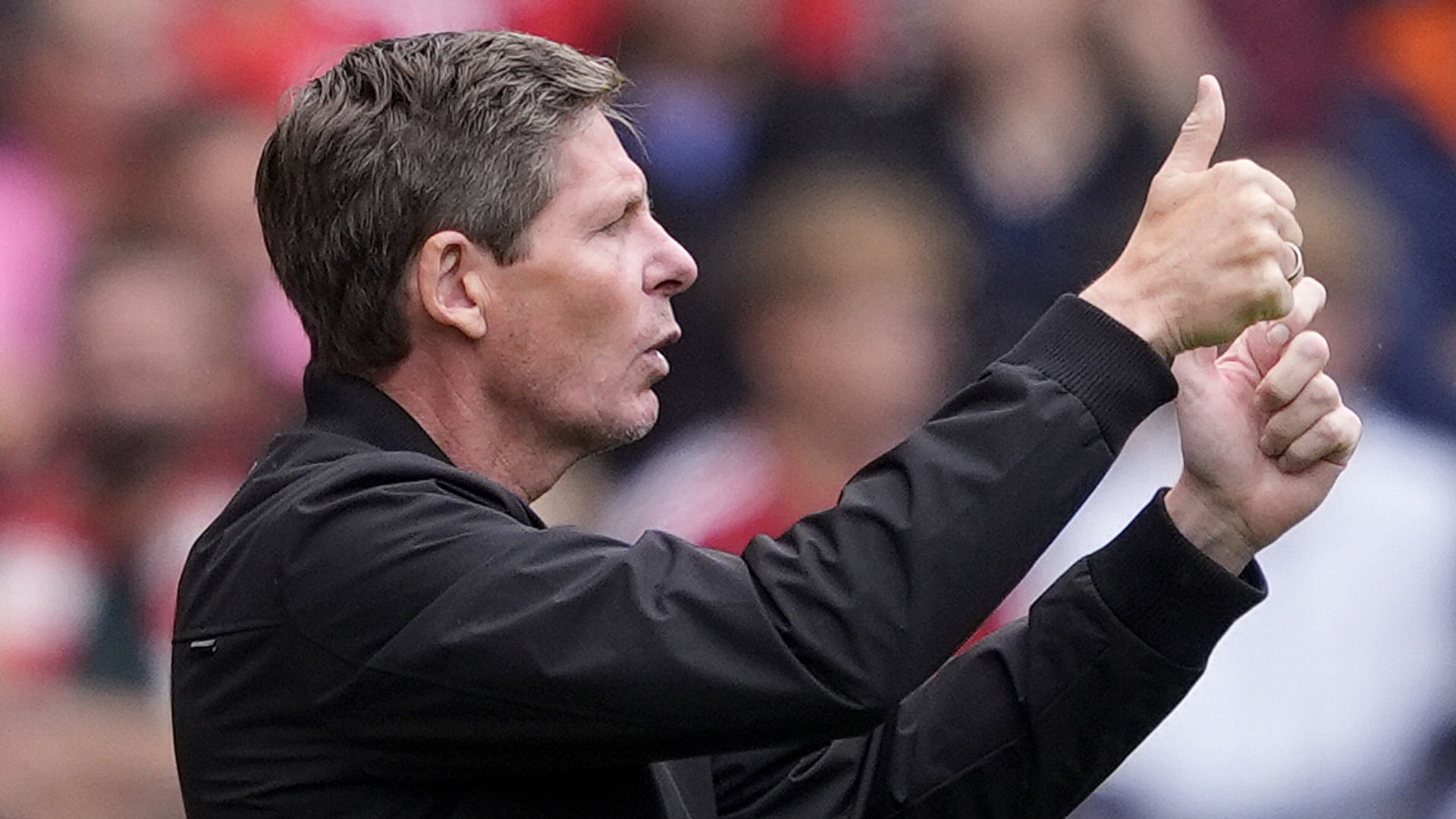
Oliver Glasner has defended his Brentford outburst as a positive attempt to spark change at Nottingham Forest, insisting his intention was to improve results rather than attack individuals. The head coach spoke after a week in which his reaction to defeat at the Gtech Community Stadium drew wide attention.
Forest sit 19th in the Premier League after losing four of their last five matches, with just one win since the Austrian arrived in the summer. The Glasner Brentford outburst followed that latest loss and included two explosive rants to Sky Sports and in his post-match press conference.
Among the points he made at the time, Glasner said the run was not good enough and that he felt he had made too many compromises. He also suggested that if players did not buy into his approach, a sixth manager since the start of last season would arrive.
Training response and City test
Asked about the reaction since the weekend, Glasner said the consequence had been a good training week. He described that as what he hoped for and what everyone expected from each other in the effort to improve results.
Forest host Manchester City on Saturday, with kick-off at 5.30pm. Glasner said the match would be a huge challenge but remained positive because of how the players have worked in training and the level of performance he has seen.
Why he spoke out
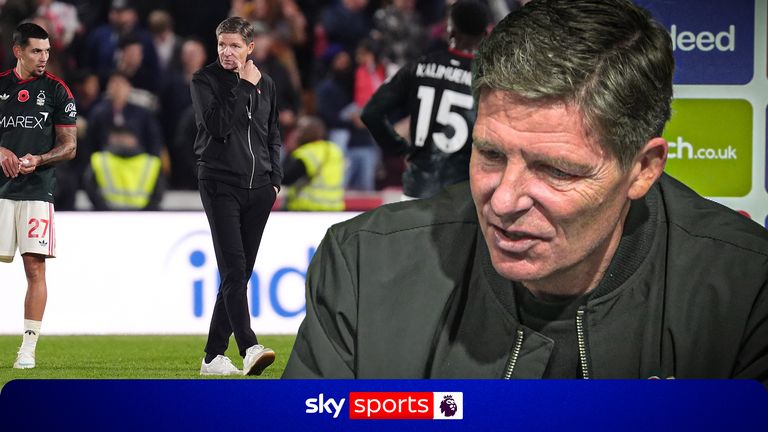
Glasner explained that his approach is to say when he sees something he does not like, as well as when he sees something he does like. He said he will shake things up when he feels it is needed and stay quiet when he does not.
He added that after four or five defeats he could not keep repeating the same message about a good start, missed chances, mistakes and moving on to the next week. Changing what he tells the players, he said, was necessary to avoid the same cycle continuing.
Glasner stressed that he did not attack anyone directly and that his message was about shared goals: wanting success, wanting to win games and wanting to do better. He said the reaction was louder outside the club than it felt inside.
He also framed his comments as part of a relationship in which problems must be voiced. If something is not said, he argued, the other person will never know, and he cannot then blame them for not changing. He acknowledged that the way he spoke may have sounded negative in a society where criticism is often taken that way, but said the intention was positive: to change something and get better results.
What is missing
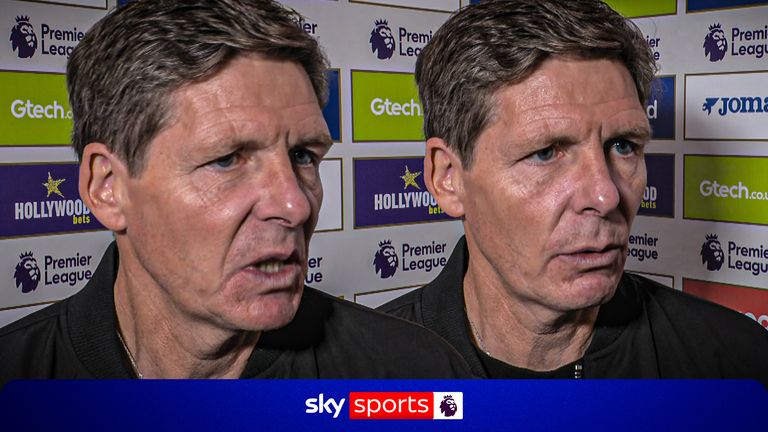
Glasner said Forest’s performances have not been disastrous, but that some bits are missing. The players have been shown what can be improved, and he suggested that repeated mistakes become a pattern.
He raised questions about focus and concentration, saying that in his experience a lack of those qualities away from the pitch can carry over into matches. He also noted that being slightly sloppy in taking chances in training can translate into similar sloppiness during games.
The Forest boss declined to detail the exact changes he has seen this week, saying only that what happens in Las Vegas stays in Las Vegas. He did offer a small elaboration: he may be doing a bit more talking to players in general and individually, always in a positive way.
He insisted he never does anything to punish somebody, and that his actions are either to shake things up or to tell somebody what needs to improve. Results, he said, clearly need to get better, and that was why he reacted as he did.
Culture and motivation

Glasner said he was not surprised to be having these conversations with players. One of his biggest goals, he explained, is to create a culture and environment where players want to be but also want to work hard.
He described the balance in vivid terms: the club is not a spa and wellness hotel, but it is not the military either, and the middle ground must be found. He wants every player to have intrinsic motivation and would like to be challenged by players asking what they can improve.
Anything that comes from the players themselves, he said, is worth far more than something that comes from the manager or staff. Too often, he added, it seems that direction has to come from the coaching side.