Meta has enabled real-time spoken conversations with its Muse AI agent, giving the service a voice to go along with its visual presence. The Muse AI agent voice mode was announced by CEO Mark Zuckerberg and is now available on the iOS app in the United States, with a broader rollout planned for other Meta products.
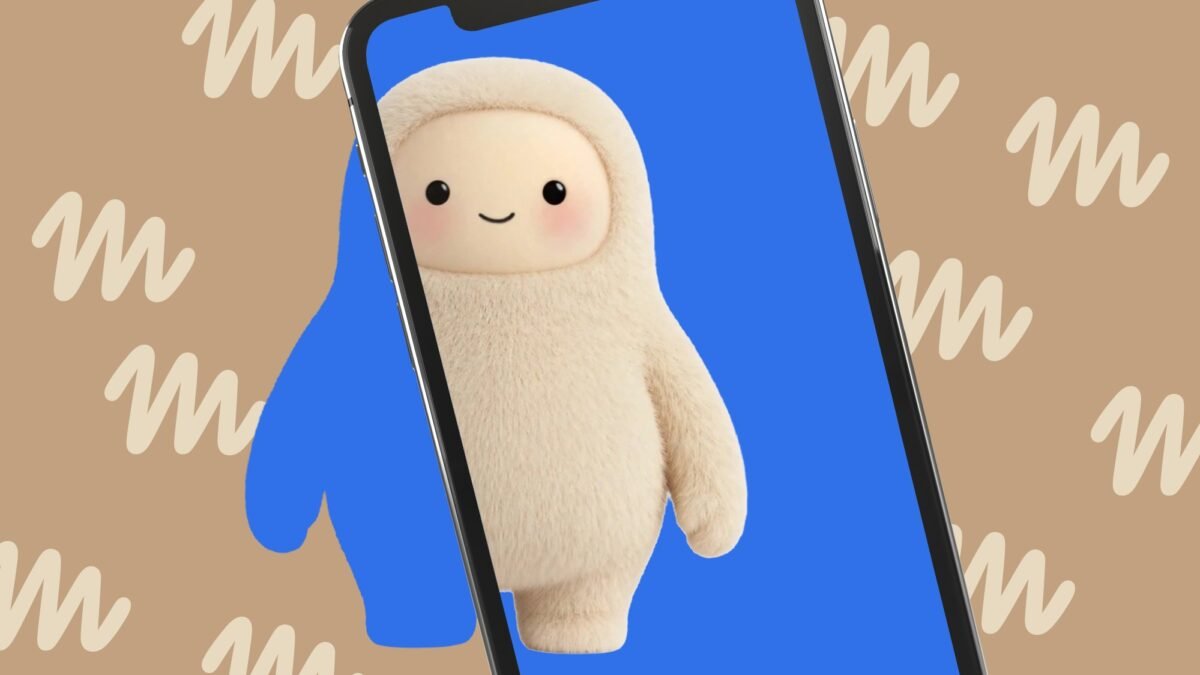
The feature pairs audio output with an animated avatar that sits at the top of the conversation and moves in sync with the words being spoken. Users can adjust how the agent sounds either by describing the desired tone in conversation and letting the agent choose, or by selecting from a list of voice options in the avatar settings.
What the voice experience feels like

In early hands-on use, the Muse agent replies quickly over voice, though it can pause briefly while retrieving information or verifying a detail, much as it would during a text chat query. The avatar’s animation was described as well-timed, though for at least one user’s custom avatar the effect came across as slightly uncanny.
That user had configured their Muse avatar to resemble Zuckerberg as a persistent reminder that the service is operated by Meta. Watching the digital likeness speak was described as strange, and the user noted that they could not get the agent’s voice to sound exactly like Zuckerberg’s.
Where voice mode is available

Meta says the voice mode and expressive avatars are rolling out now in the US for the app. The company also plans to bring the capabilities to its AI glasses soon and to make them available on the forthcoming Muse Charm gadget, which is expected to ship this year.
The launch builds on Muse’s existing presence as a text-based AI agent. Earlier this fall, Meta reported that 10 million people had already set up Muse agents, and the Muse AI app reached 10 million US downloads. Meta also restored Muse sharing after turning it back on in late October.
Why the avatar matters

Adding voice and synchronized animation changes the interaction from typed exchanges to something closer to a spoken conversation with a character. The avatar’s movements are intended to make the agent feel more expressive and responsive, while the voice settings give users control over its tone. For Meta, the feature extends Muse across the app, glasses, and a dedicated gadget, suggesting the company sees spoken interaction as central to how people will use the agent going forward.