
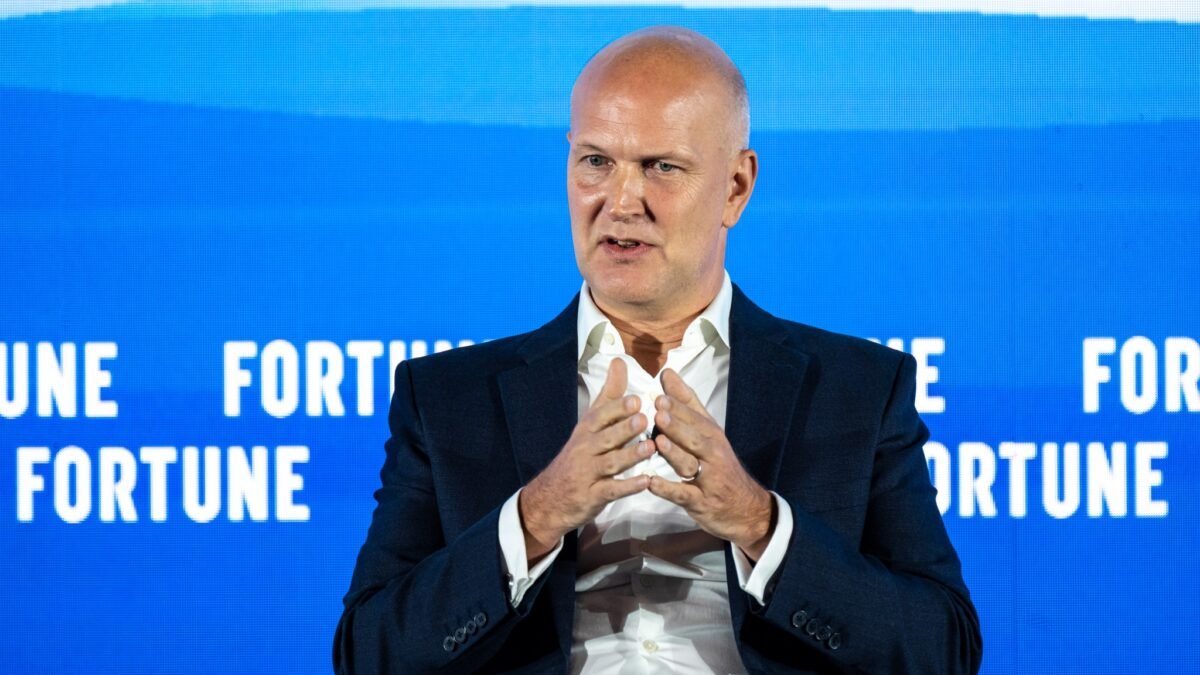
Companies should design their logistics networks for supply chain robustness rather than mere resilience, according to Thomas Knudsen, executive chairman of Toll Group, who argued that isolated shocks have given way to a steady stream of disruptions since 2020.
Speaking at the Fortune Southeast Asia 500 Summit in Ho Chi Minh City, Vietnam, Knudsen said the old approach to resilience was essentially reactive: organizations waited for a crisis and then turned to banks and logistics providers for a way out. That model no longer fits a landscape in which the pandemic, Russia’s 2022 invasion of Ukraine, U.S. tariffs in 2025, the end of de minimis treatment, and the U.S. war with Iran and the closure of the Strait of Hormuz have followed one another in quick succession.
Instead, Knudsen said companies now need to look deeper into their supplier networks—examining tier two, three, and four suppliers—to build a supply chain that can absorb shocks. Toll Group, founded in 1888 and owned by Japan Post, operates freight forwarding and contract logistics across Asia.
Spare capacity as the practical answer
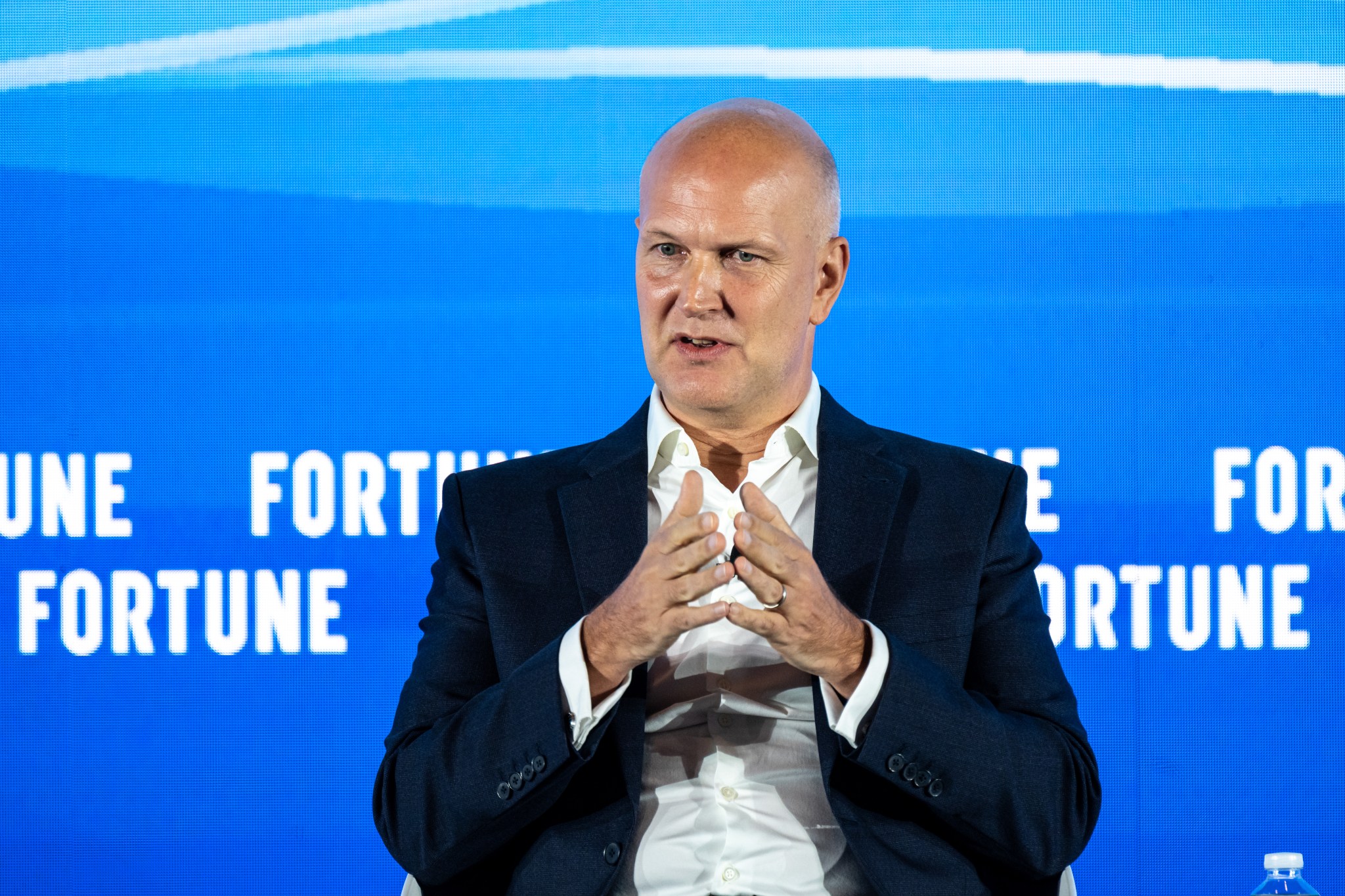
In operational terms, robustness means maintaining spare capacity. Knudsen described a mix of backup truck and rail routes alongside ocean and air freight, plus sea-air combinations that move cargo part of the way by aircraft and the rest by ship. The approach is not about choosing one mode over another but about switching between them as conditions change—trucking on one day, rail the next, with ocean and air filling the gaps.
There are limits, however. Knudsen noted that for low-value commodities such as cement, the cost of building a resilient supply chain is difficult to justify.
Tariffs redraw manufacturing maps
Tariffs have pushed Chinese companies to seek new markets and manufacturing hubs, and Knudsen does not expect that shift to reverse. The observation fits broader survey data from Standard Chartered’s Future of Trade report, which polled 2,100 senior corporate leaders across 27 markets. The share of ASEAN executives who list geo-economic actions among their top three trade concerns is projected to rise from 49% over the past year to 57% over the next three to five years.
James Nesbitt, managing director and head of global subsidiaries for Singapore and ASEAN at Standard Chartered, said the bank’s corporate clients are making long-term strategic commitments to the region rather than setting up a factory and moving on once production begins.
ASEAN integration lags the EU
The ASEAN Free Trade Area, established in 1992, has reduced tariff barriers among Southeast Asian countries. The bloc’s 11 economies are worth about $4.5 trillion and growing roughly 4.5% a year, according to the IMF, yet only about 22% of ASEAN trade takes place within the bloc—compared with roughly 60% for the European Union.
Knudsen pointed to the EU’s single currency and open borders as a model for ASEAN. He cited Brexit as evidence that friction becomes tangible when a country leaves such a framework, describing it as more than a minor obstacle.
Nesbitt suggested that ASEAN’s diversity could be turned into an opportunity through connected payment systems. Each market has its own real-time payment network, and an integrated overlay could allow them to operate together. He raised questions about whether blockchain, tokenization, or stablecoins could support such an arrangement, framing it as an alternative to building bilateral ties market by market.