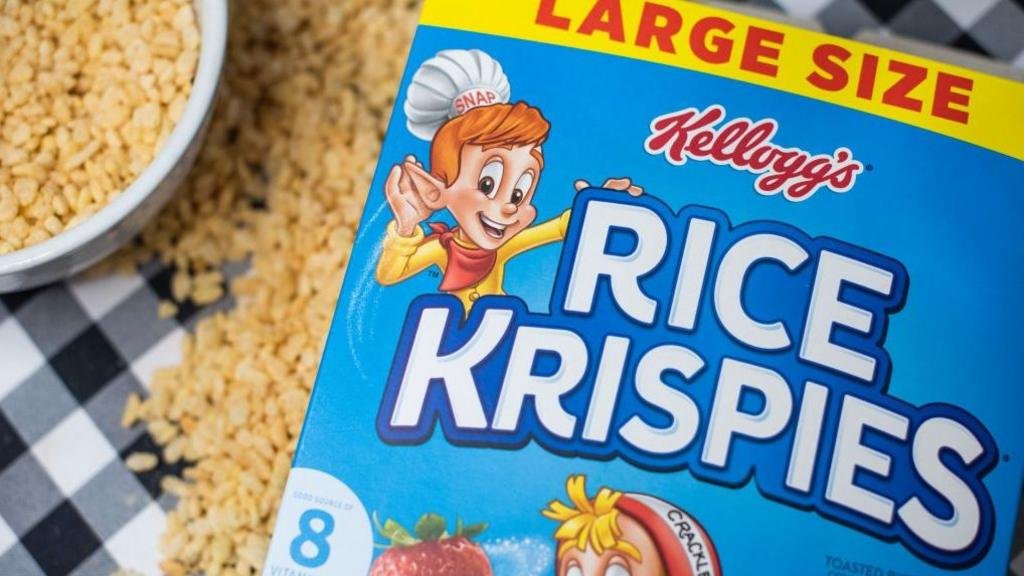
The Rice Krispies recipe change has turned a familiar breakfast ritual into a source of frustration for UK families. Kellogg’s has confirmed that its Rice Krispies and Coco Pops cereals sold in the UK will no longer be made from whole rice grains, and the resulting bowls have lost the signature crackle that has defined the brand for decades.
From Whole Rice to Flour Blend

The new formulations rely on corn flour and rice flour instead of whole rice grains. Wheat gluten has also been added as an ingredient, a shift that alters the allergen information printed on packs. Previously, the packaging warned that the products might contain gluten because they were manufactured in a factory that handled other cereals. Now the labels will carry a direct warning that the cereals contain wheat gluten.
Kellogg’s attributed the reformulation to changing weather conditions that have disrupted supplies of some grains and cereals. The company said the updated versions had been carefully assessed for taste, appearance and texture, and that the change would help maintain consistent quality as extreme weather damages crops and raises ingredient costs.
Shoppers Report a Different Cereal

The most visible backlash has centred on the missing sound. The snap, crackle and pop that milk triggers in puffed rice has been a centrepiece of the brand’s marketing since the 1950s, and customers say the new recipe no longer delivers it.
Parents and longtime buyers have taken to social media to describe their disappointment. One parent, posting as Dani on TikTok, said her toddler would no longer eat the cereal. Another user, Lauren, said she had eaten Rice Krispies every day for years and noticed the difference immediately, reporting that the cereal no longer makes a snapping sound when milk is poured over it. A third commenter, Jessicake, described the taste as strange and stale. Others called the change grim and disgusting and said the texture was completely different.
Kellogg’s acknowledged that even small adjustments to a well-known product can be noticeable. In a statement, the company said it had approached the reformulation with care and consideration.
Weather Pressure Behind the Decision

The supply problems cited by Kellogg’s are linked to the El Niño weather phenomenon, which has brought droughts, floods and heatwaves to parts of Asia. Most of the world’s rice is grown in Asia, and the region produces more than a quarter of the global supply. The World Meteorological Agency expects the record-breaking El Niño to last until at least 2027, keeping pressure on crop production in South East Asia.
The UK change does not extend to North America. Rice Krispies products in the US and Canada are unaffected, and Kellogg’s said it has not altered the recipes of any of its other cereals.
A History of Tinkering

This is not the first time the cereals have been adjusted. Salt levels were reduced in the 1990s, and sugar content was lowered in 2018. Kellogg’s said the latest versions will continue to meet UK food standards on fat, salt and sugar, and stressed that the cereals contain no artificial colours, flavours or sweeteners. The company also said nutritional benefits such as fibre, Vitamin D and iron remain the same.
The reformulation arrives as processed foods face growing scrutiny from healthy eating advocates, particularly products low in fibre and high in sugar. Cereals have been drawn into that wider debate, though Kellogg’s has sought to reassure customers that the nutritional profile of each bowl is unchanged.
Brand Loyalty Tested
Recipe changes are a notoriously delicate matter for food brands. Chocolate makers face recurring accusations of reducing cocoa content, ketchup recipes are endlessly debated online, and when the Scottish soft drink Irn Bru cut its sugar content in 2018, fans stockpiled crates of the old version.
Rice Krispies launched nearly a century ago and are sold around the world, with variations including vanilla and strawberry flavours in some markets alongside the widespread chocolate-flavoured Coco Pops. The corporate structure behind the brand has also shifted. The company split into two firms in 2023. Kellanova, the larger business focused on snacks and cereals, is now owned by Mars. WK Kellogg’s, which operates in North America, has been taken over by the Italian chocolate giant Ferrero.
For UK shoppers, the change is personal. The cereal that once announced itself with a burst of sound now arrives quietly, and some families are deciding whether the new bowl is worth keeping on the table.